...

By Adriana Diaz
0
Share
Newsweek is a Trust Project member
See more of our trusted coverage when you search.Prefer Newsweek on Googleto see more of our trusted coverage when you search.
For most pet owners, feeding time is a routine moment of joy: the wag of a tail, the eager purr, the happy crunch of kibble. What often goes overlooked, though, is the bowl itself.
Emerging research and veterinary guidance suggest that the very dish holding your dog’s or cat’s food might be harboring harmful bacteria, posing real health risks to pets—and potentially the humans who care for them.
Why It Matters
Pet food and water bowls can become hotspots for bacterial growth if not cleaned and maintained properly.
Read More on Life
A study published by Hartpury University found that common bowl materials like plastic and ceramic can harbor bacteria, including MRSA and Salmonella, sometimes in biofilms that are hard to remove without thorough cleaning.
In fact, the microbiological assessment identified dog bowls as among the most contaminated objects in a household.
A contaminated bowl can make pets sick with vomiting, diarrhea or infections. And those germs don’t always stay in the bowl—handling it or touching contaminated surfaces can spread bacteria to people, increasing the risk of stomach illness, especially for young children, older adults, or anyone with a weakened immune system.
...
What to Know
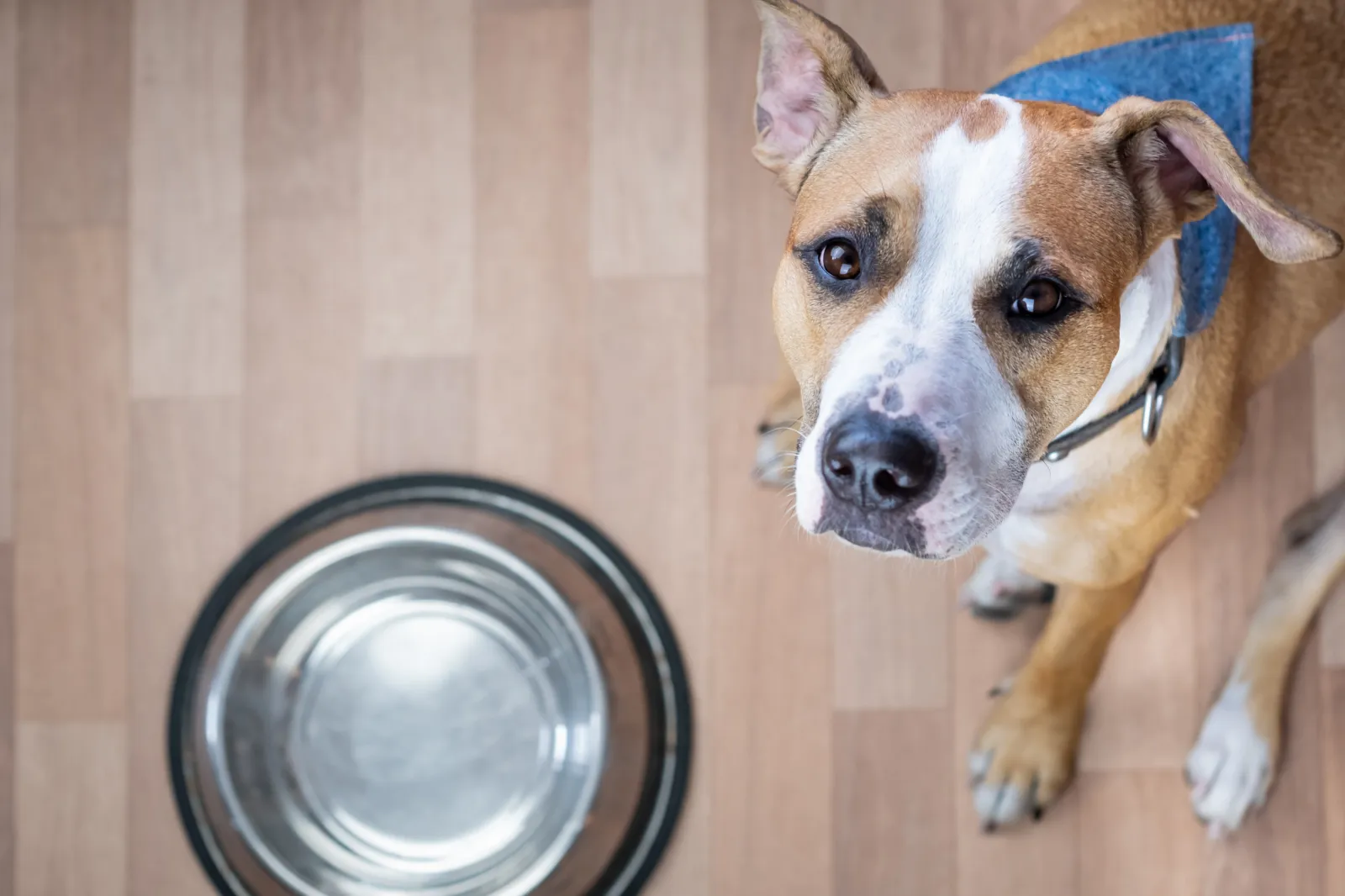
Plastic and ceramic bowls can develop scratches and micro-crevices where bacteria hide and thrive. Vets recommend bowls made from stainless steel because its smooth surface resists bacterial buildup and is easier to sanitize.
Veterinary experts with the American Kennel Club advise washing food bowls after every meal and water bowls at least once a day. Hot, soapy water—or a high-heat dishwasher cycle for dishwasher-safe bowls—can drastically reduce harmful microbes.
Left unchecked, bacteria from pet bowls can spread to countertops, hands, and eating surfaces, potentially causing gastrointestinal illness in both animals and humans. Cross-contamination is a real worry in homes where pets and people live closely.
What to Do
Veterinarians encourage owners to treat pet bowls more like their own dishes: choose materials that resist contamination and wash them consistently and thoroughly.
Some products are most likely to allow pet owners keep their furry friend happy and healthy.
Stainless Steel
Stainless steel bowls are widely considered the healthiest everyday choice for pets. They have a non-porous surface that resists bacteria buildup, are highly durable and rust-resistant, and most are dishwasher-safe for easy sanitization—all of which help reduce infection risk.
The main downsides are that they can be noisy or slide around during meals, and cheaper grades may not be as corrosion-resistant, but overall, they’re the top pick for daily use.
Ceramic and Stoneware
Ceramic or stoneware bowls can be safe if high-quality and food-grade glazed, and they’re often heavier and more stable than stainless steel, which can reduce spills.
However, ceramics are fragile—chips or cracks can develop over time, creating microscopic hiding spots for bacteria and undermining hygiene.
That means frequent inspection is necessary, and any damaged bowl should be replaced promptly to protect your pet’s health.
Silicone
Silicone bowls are generally safe and non-toxic when made from food-grade material, and they’re popular for travel because they’re lightweight, flexible, and easy to pack.
Many are even dishwasher-safe and resistant to odors and stains, which makes cleaning easier than some other options.
While they’re a great portable choice or backup bowl, they’re typically not as hygienically robust for everyday feeding, where heavy chewing or frequent use could wear them down faster.
Newsweek has reached out to expert dog trainer Sassafras Patterdale for comment via email.
To read how Newsweek uses AI as a newsroom tool, click here.
View 0 Comments
Submit Correction
View Editorial & AI Guidelines