
...

By Lucy Notarantonio
Senior Reporter
0
Share
Newsweek is a Trust Project member
See more of our trusted coverage when you search.Prefer Newsweek on Googleto see more of our trusted coverage when you search.
A balanced diet is key to good health, but not all foods play the same role at every stage of life. While childhood nutrition supports growth and development, the body’s needs shift as people age—particularly, later in life, when diet plays a central role in maintaining strength, bone health and metabolic function.
In childhood, higher amounts of nutrients such as iron, iodine and a wide range of vitamins are needed to support immune function, brain development and muscle growth. As people get older, some nutritional needs increase again. Calcium, for example, becomes especially important later in life to help maintain bone strength and reduce the risk of bone loss.
Research published in 2025 analyzed the diets of more than 105,000 people in midlife and found that, by age 70, fewer than 10 percent had achieved what researchers defined as "healthy aging." Other research has found that, as people age, mealtimes tend to shift later in the day, while the overall daily eating window becomes shorter.
Read More on Food & Drink
Dr. Brynna Connor, a board‑certified family medicine physician specializing in anti‑aging and regenerative medicine, told Newsweek about how dietary needs change with age and what older adults should prioritize.
...
Why Protein Matters More With Age
"One of the most-important dietary changes people need to make as they get older is to prioritize eating lean protein," Connor said. "The recommended amount is about 25 to 30 grams of protein per meal."
Connor added that adults typically begin losing muscle mass around age 30, a process known as sarcopenia. Muscle mass decreases by approximately 3 to 5 percent every decade after, which can have significant health consequences over time.
"As we age, a lack of muscle mass can contribute to issues such as weakness, falls (which are the leading cause of injury‑related death in adults over 65), and/or metabolic issues such as insulin resistance, type 2 diabetes, metabolic syndrome, and/or dyslipidemia, an abnormal balance between good and bad cholesterol levels," Connor said.
"Focusing on eating adequate amounts of protein can help to maintain muscle mass as we age, and can actually increase life expectancy," Connor added.
Nutrients Older Adults Should Focus On
Connor said people should also aim for a diet centered on whole, nutrient‑dense foods.
"Other changes that people should consider making as they age are eating a diet focused on whole, nutrient‑dense foods such as vegetables, fruits, and whole grains, in addition to lean protein, prioritizing the adequate consumption of calcium, vitamin D, and vitamin B12," she said.
Connor noted that vitamin absorption decreases with age and that B vitamins play an important role in cognitive, nerve and cardiovascular health, as well as metabolism and energy.
For calcium, Connor said intake should increase later in life.
"It’s recommended that adults get at least 1,000 mg of calcium daily, and older adults who have an increased risk of bone loss should get even more," Connor said. "Women over the age of 50 and men over the age of 70 ideally should aim for 1,200 mg every day."
Vitamin D needs also rise with age.
"Adults should aim to get 15 micrograms (mcg) or 600 international units (IU), while adults in their 70s and older should be getting 20 mcg or 800 IU to protect their bones and help prevent osteoporosis," Connor said.
Which Foods To Eat More—and Less—Of
"As we age, our bodies require different things in different amounts," Connor said. "Again, protein is such a crucial food group as we age, and should be emphasized as much as possible to preserve lean muscle mass and protect against weakness, falls, and various metabolic disorders."
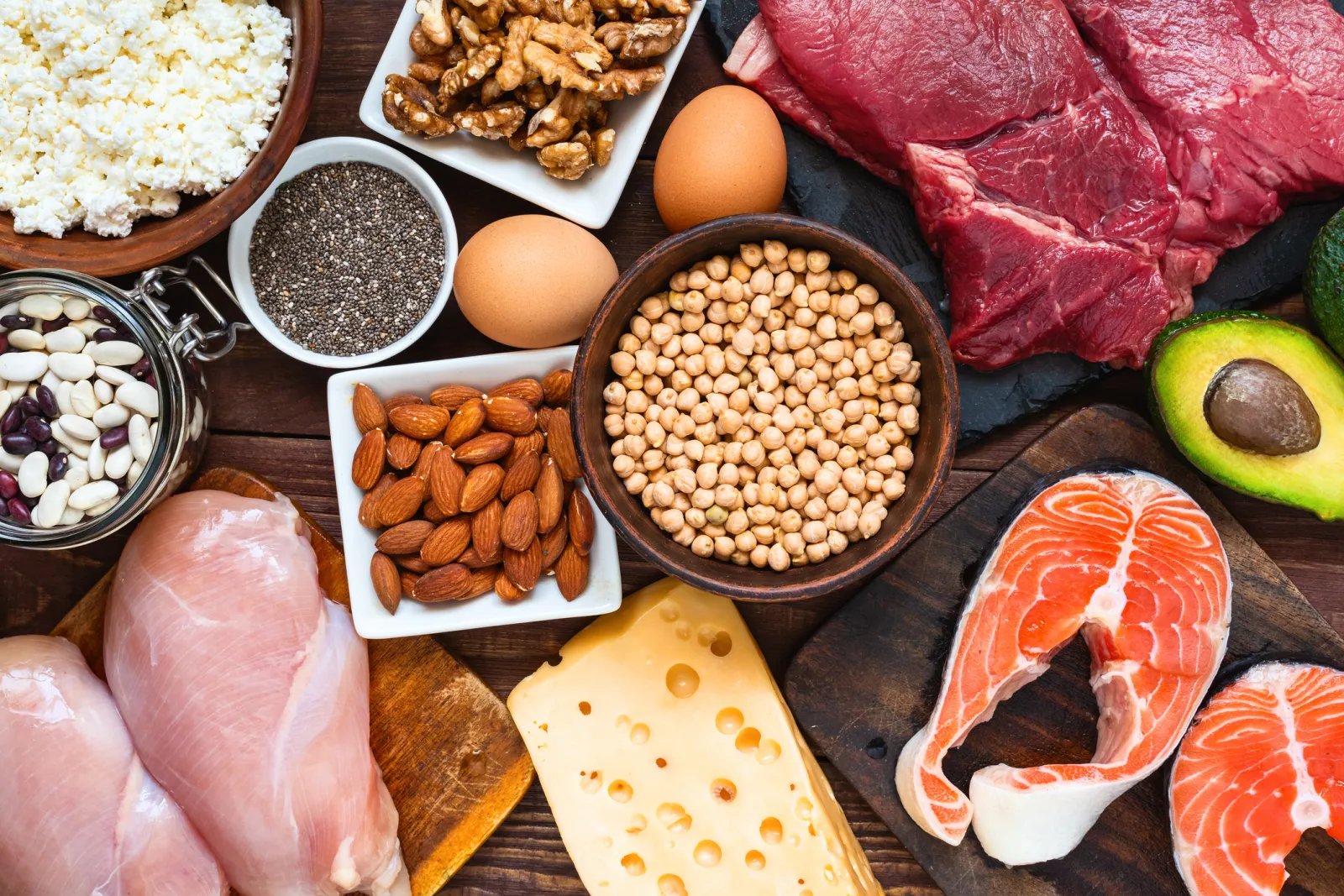
Connor said fatty fish and poultry are good protein sources, along with legumes, eggs and nuts, though nuts should be eaten in moderation due to their fat content.
...
"Fiber is also an important part of the diet as we age to help support digestive and cardiovascular health," Connor said.
"In the gut, prebiotic fiber feeds good bacteria, which, in turn, reduces inflammation in the digestive tract," she added. "In terms of cardiovascular health, fiber helps to lower bad cholesterol (LDL cholesterol), reduces blood pressure, and helps to manage weight."
Connor advised limiting highly processed foods as people age.
"When it comes to foods to avoid, as we age, the amount of highly processed foods, those with added sugars, saturated fats, and excess sodium should be reduced, consumed in small quantities, and/or cut out completely," she said.
Do Older Adults Need Fewer Calories?
Connor, a health care ambassador for NorthWestPharmacy.com, an online pharmacy, said general recommendations suggest women over 50 consume around 1,600 calories per day and men around 2,000, though individual needs vary and should be discussed with a physician.
"Seniors actually require fewer calories than younger adults," Connor said, citing slower metabolism, reduced physical activity and decreased lean muscle mass.
"It’s important to note that fewer calories doesn’t mean fewer nutrients," she added. "Instead, the emphasis should be on consuming higher‑quality foods that are nutrient‑dense."
View 0 Comments
Submit Correction
View Editorial & AI Guidelines