...

By David Averre
0
Share
Newsweek is a Trust Project member
See more of our trusted coverage when you search.Prefer Newsweek on Googleto see more of our trusted coverage when you search.
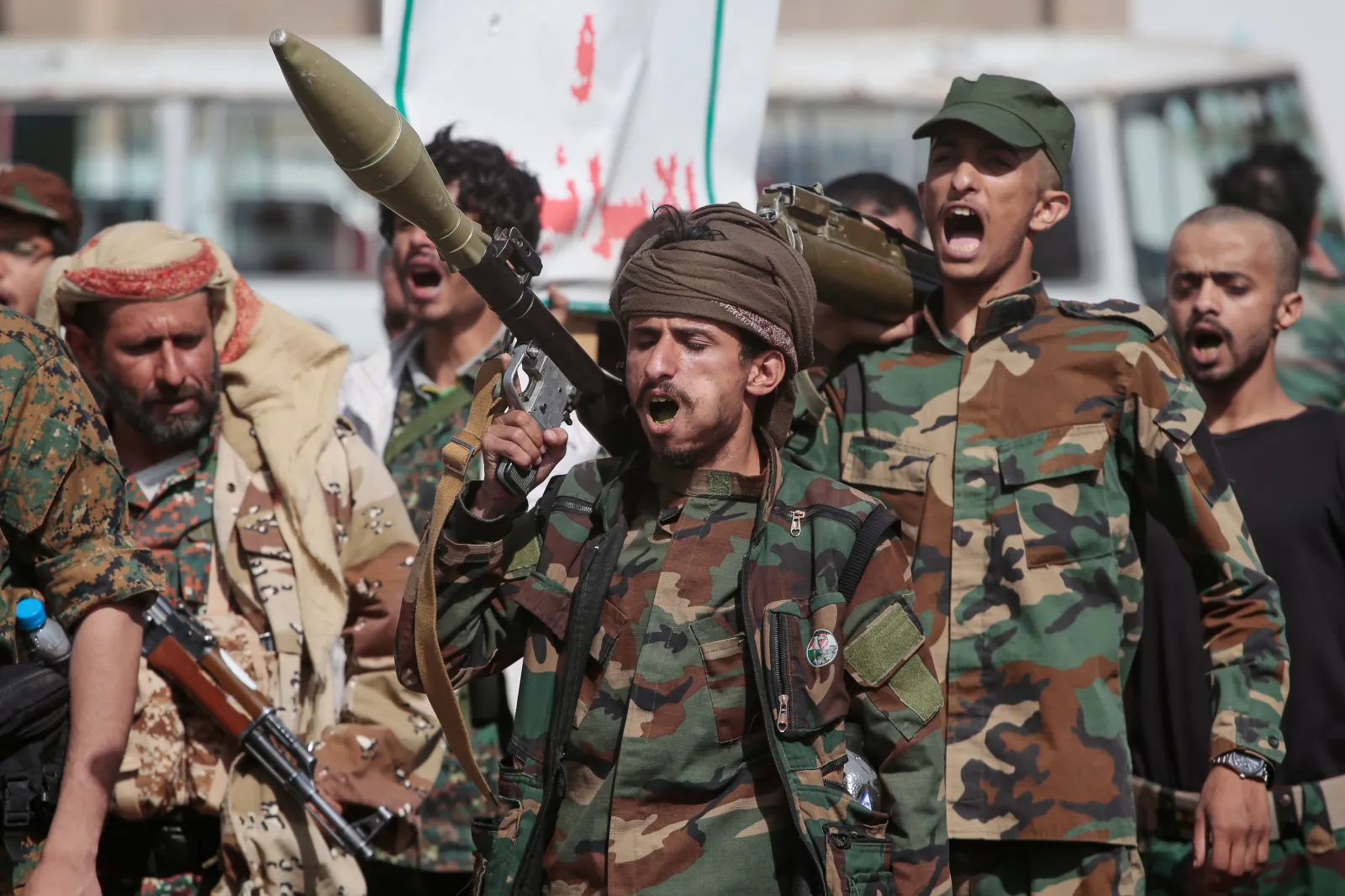
Yemen's Iran-backed Houthi rebels might be one of the smallest forces in the Middle East, but they pose a greater problem to their adversaries—and potentially even their masters—with each passing day.
This non-state movement from one of the world's poorest nations has managed to seize strategic territory from Yemeni government forces around the Bab el-Mandeb Strait and has amassed an arsenal capable of striking Saudi oil facilities, major cities, and even Riyadh's international airport.
Now Iran, creaking under American sanctions and locked in a confrontation with U.S. President Donald Trump over the Strait of Hormuz, has offered to broker peace between Saudi Arabia and the Yemeni rebels it helped empower.
Read More on Analysis
But the Houthis may have slipped their master’s leash.
The rebel group, officially known as Ansar Allah, has become a powerful military and political movement with its own objectives. Regional experts expressed doubts to Newsweek over whether Tehran has the influence to rein in its increasingly ambitious beneficiary.
For Saudi Arabia and the United States, neither prospect is good news.
Out of Control?
Iranian Foreign Minister Abbas Araghchi on Sunday made a cheeky proposition: Tehran could mediate ceasefire talks between Riyadh and Yemen’s Houthis, a movement Iran itself has spent years arming, training and supporting.
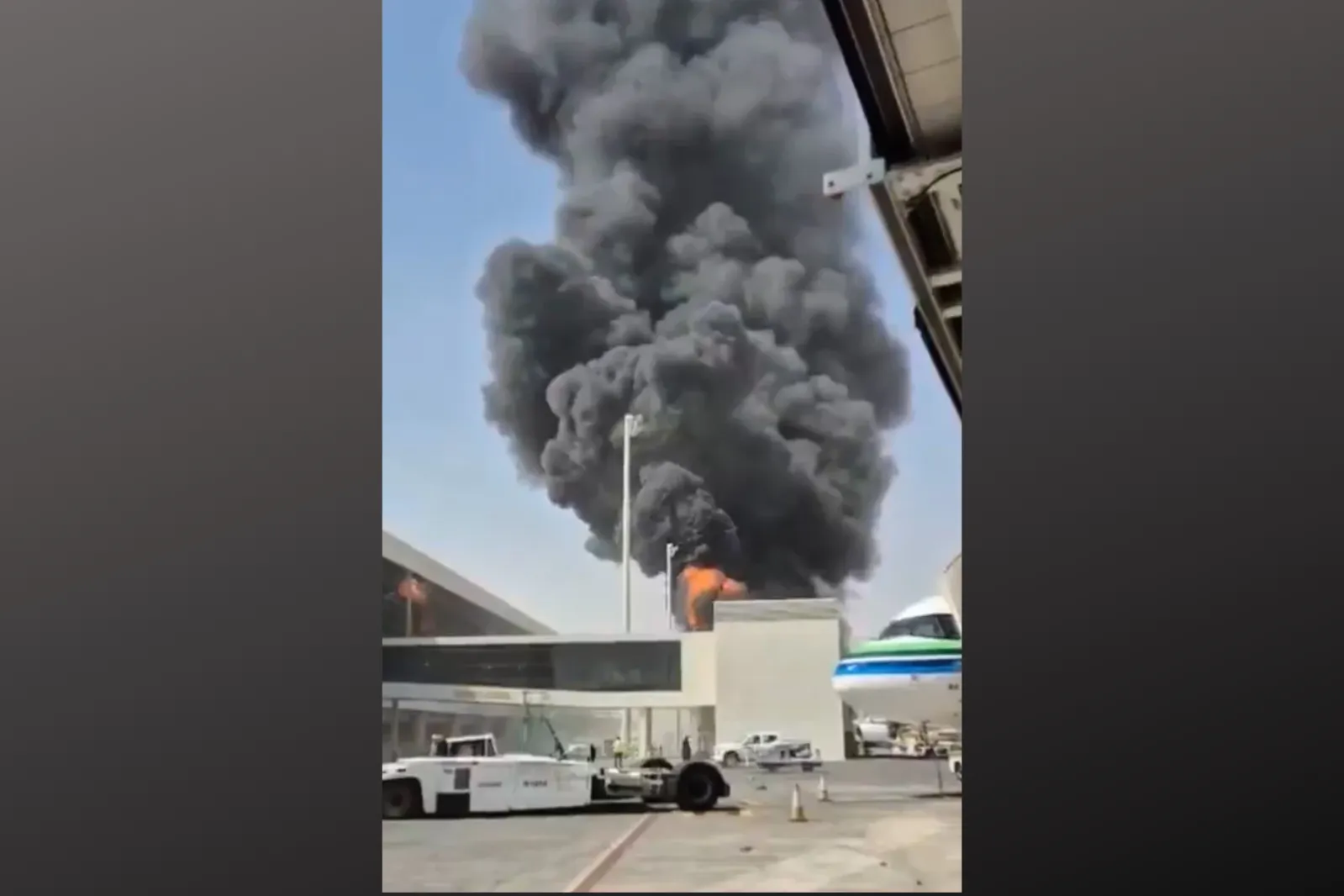
The offer followed a devastating series of Houthi missile and drone attacks on Saudi Arabia, including one on Riyadh’s international airport which killed 13 people and wounded hundreds more. Riyadh offered no public response to Araghchi’s offer, and Houthis wasted no time in resuming their attacks, battering the headquarters of Saudi national oil company Aramco on Tuesday.
But even if the Saudis had sought to engage Tehran, there’s no promise Yemen’s rebel force would’ve halted its offensive.
More than a decade of war against Saudi-backed government forces, coalition airstrikes and American, British and Israeli bombardment have failed to break the Houthis. Instead, the movement has expanded its territorial reach, developed increasingly sophisticated weapons and established its own political and economic networks.
It is also attempting to break free of its reliance on Iran for arms.
A recent investigation by Conflict Armament Research claimed the Houthis had sourced Chinese components to locally manufacture a ballistic missile, after Anthropic revealed last month that a weapons-development cell in Houthi-held northern Yemen had used its Claude AI model to develop missile-guidance software and troubleshoot a failed rocket test.
"The Houthis are not a remote-controlled Iranian militia," Andreas Krieg, a Middle East security expert at King's College London, told Newsweek. "They have developed into a powerful governing and military organization."
“Tehran provides important military technology, expertise, political support and strategic coordination, but that does not translate into operational control over every Houthi decision," Krieg said.
Peiman Salehi, a Tehran-based political analyst, said: "Ansar Allah operates with considerable independence, including compared with other resistance movements. It is fighting for Yemeni objectives, not simply supporting Iran.
"Its demand is to end what it describes as eleven years of Saudi-imposed air and maritime restrictions. Unless those conditions change, Tehran cannot simply deliver a ceasefire on demand.”
...
Hour of Need
The past few weeks have been rough for the Saudis.
Not only have Houthi missiles jeopardized the kingdom's economic ambitions, killed civilians and exposed serious gaps in its air defenses, but Riyadh has quickly discovered the limits of allies old and new.
When Houthi forces began advancing toward Bab el-Mandeb last month, Crown Prince Mohammed bin Salman personally asked Trump to launch retaliatory strikes. The U.S. president refused and offered only intelligence and targeting assistance.
Riyadh's newer security partners are hardly rushing into the fight either. Turkey and Pakistan signed the trilateral Mecca Joint Defense Agreement with Saudi Arabia on August 7, promising to regard an attack on one member as an attack on all. Ankara has since provided defensive equipment, intelligence and technical support, but has not yet been willing to launch strikes. Pakistani aircraft have reportedly flown sorties over Houthi-controlled territory, but Islamabad has not confirmed any direct involvement in the conflict.
Only Israel has volunteered to aid Saudi in launching military operations against the Houthis; a pill that has so far proven too bitter for Crown Prince bin Salman to swallow.
The White House has its own problems. Houthi threats to shipping through Bab el-Mandeb and attacks on Gulf energy infrastructure risk compounding the instability in global energy markets and trade caused by its standoff with Tehran over the Strait of Hormuz.
Another major Houthi escalation could force Trump to consider opening a second military front against better judgment. But an Iranian-brokered ceasefire is hardly preferable.
"If Iran can help secure a credible ceasefire between the Houthis and Riyadh, it could begin transforming its regional image from a source of insecurity into an indispensable participant in managing that insecurity," Krieg said.
"That would strengthen Tehran's argument that Gulf security cannot be organised around permanently excluding Iran. It could also complicate American and Israeli efforts to maintain a unified regional position against Tehran, particularly if Saudi Arabia concludes that engagement produces greater security benefits than continued confrontation."
Burcu Ozcelik, a senior research fellow for Middle East security at the Royal United Services Institute, told Newsweek that Iran still has considerable influence to offer.
"Tehran does not have an on/off switch on the Houthis, but it does retain sufficient sway to influence a Houthi decision to de-escalate and modify its targeting behavior, especially against Saudi Arabia."
Peace Won't Come Cheap
On Wednesday, Houthi official Mohammed al-Bukhaiti said the movement would welcome mediated negotiations with Saudi Arabia, but the Houthis want much more than an end to the fighting.
"They would seek payment of public-sector salaries, access to port revenues and commercial imports, recognition of their political authority, security guarantees and a meaningful role in Yemen's eventual political settlement," Krieg said.
"Crucially, they would want to preserve substantial military capabilities. Iran can facilitate an agreement, but it cannot simply deliver the Houthis as part of a diplomatic transaction."
That leaves Riyadh facing an expensive choice.
“Riyadh urgently needs an off-ramp, but an Iran-brokered ceasefire would come with significant costs,” Ozcelik told Newsweek. “It could reinforce the perception that Saudi security ultimately depends on Tehran’s willingness to restrain the Houthis, rather than on Riyadh’s own deterrence capabilities or its traditional and new security partnerships.”
Washington is also facing an uncomfortable calculation. A Tehran-backed agreement would ease the threat to Saudi infrastructure and Red Sea shipping, but validate Iran’s claim that it is an essential regional security broker that must be involved in the management of Hormuz. Without a settlement, the Houthis retain the means to threaten both, increasing pressure on Trump to intervene in another costly military confrontation.
Somehow, this rag-tag group of rebels from the mountains of Yemen has become a barometer with which to measure three much larger powers: Iran's ability to control a movement it helped build, Saudi Arabia's capacity to defeat or deter it, and America's willingness to take its already disastrous intervention in the region one step further.
View 0 Comments
Submit Correction
View Editorial & AI Guidelines