...

By Steve Mollman
News Editor
0
Share
Newsweek is a Trust Project member
See more of our trusted coverage when you search.Prefer Newsweek on Googleto see more of our trusted coverage when you search.
Energy Secretary Chris Wright signaled Sunday during an appearance on CNN's State of the Union the era of cheap gasoline is on hold, warning a return to sub-$3 prices might not happen until 2027. While Wright focused on global supply chain disruptions, such a timeline would deliver a significant economic blow to the Trump administration and its allies heading into the critical 2026 midterm elections.
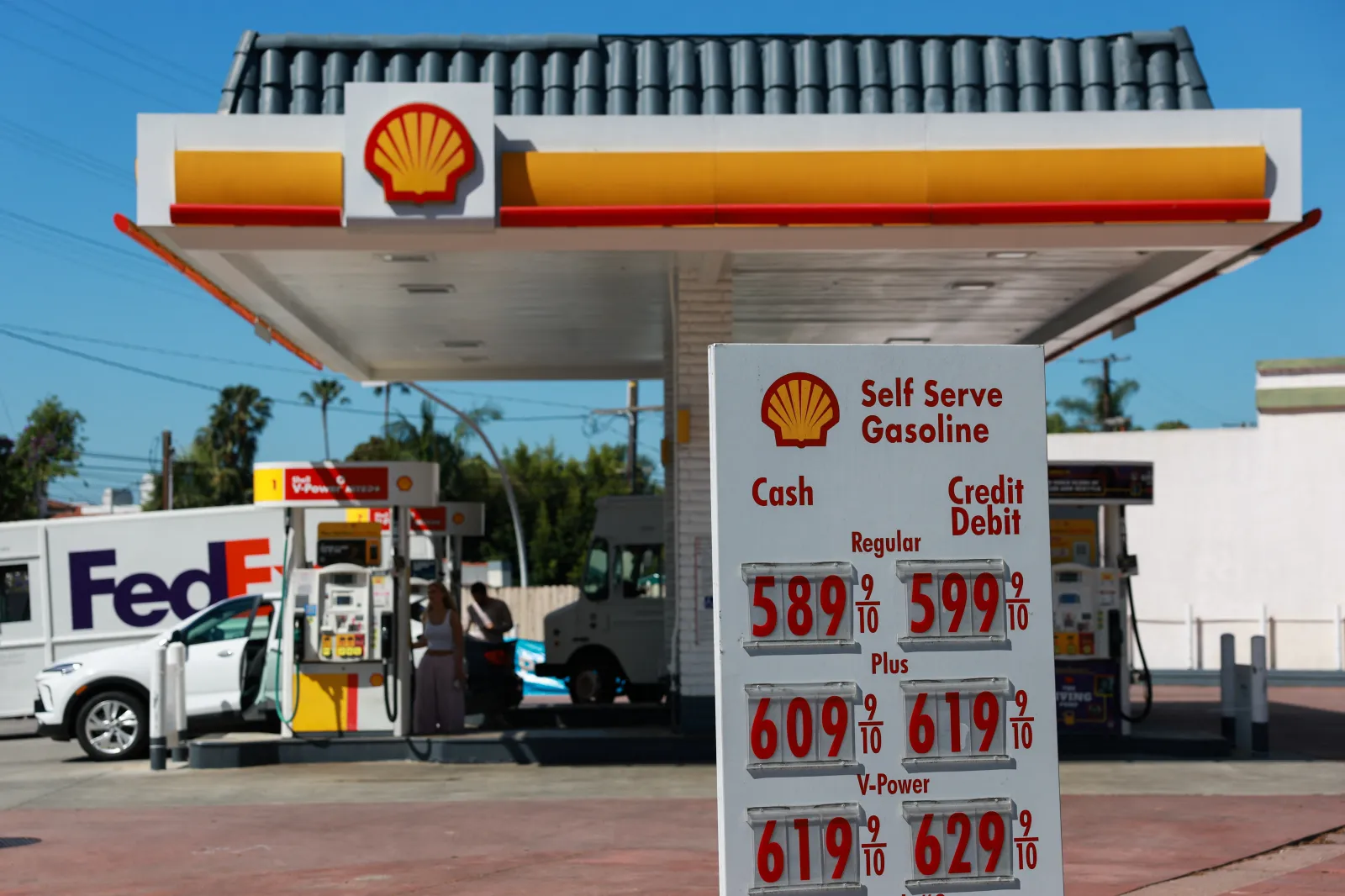
AAA data shows the national average price for a gallon of regular gasoline is just over $4. Pressed by host Jake Tapper on earlier comments suggesting prices could ease within weeks, Wright acknowledged uncertainty, saying lower prices “could happen later this year” but might not occur until next year. He tied any sustained decline to a resolution of the conflict with Iran, arguing instability in the Strait of Hormuz and disruptions to global energy flows remain the primary drivers of elevated prices, rather than domestic production levels.
The Political Stakes of $4 Gas
The acknowledgment that gas prices might remain above the $3 benchmark until 2027 carries significant weight as the 2026 midterm elections approach. With the national average currently hovering around $4.05 to $4.10 per gallon—a sharp increase from the $2.98 average seen just before the conflict with Iran began in February—voters are feeling a direct impact on their daily cost-of-living. This surge has already begun to shift the political landscape, as 68 percent of Americans now disapprove of the administration's handling of inflation and the economy, according to an NBC News poll released Sunday.
Read More on U.S.
For the current administration and its allies, the delay in price relief creates a challenging narrative. While Wright argued prices have "likely peaked," the prospect of fuel costs remaining elevated through the November elections allow opponents to focus on "kitchen-table" affordability issues. Political analysts note high gas prices often serve as a visual shorthand for broader inflation, making it harder for incumbents to tout other economic successes, such as tax cuts, when voters are confronted with high numbers at every fuel pump.
Wright defended the Trump administration’s handling of the energy shock, arguing gasoline prices during the current crisis have remained lower than peaks seen during the Biden administration, despite what he described as “the largest interruption in flow of energy ever.” He said the United States, as a net exporter of oil and the world’s largest exporter of natural gas, is better positioned than most countries to absorb short‑term disruptions, even as sanctions and blockades add pressure to markets.
The comments come as gas prices remain a politically sensitive issue heading into the midterms, with voters closely watching energy costs amid broader economic concerns. While Wright did not reference the elections, his acknowledgment that prices may not significantly fall until next year suggests consumers could continue to face higher fuel costs through the end of 2026, as the administration seeks to end the conflict and stabilize global supply chains.
...
What Happens Next
U.S. negotiators will head to Pakistan on Monday for another round of talks with Iran, President Donald Trump said Sunday, ahead of the ceasefire's scheduled end on Wednesday. Vice President JD Vance will again lead the negotiations, along with US envoys Steve Witkoff and Jared Kushner.
View 0 Comments
Submit Correction
View Editorial & AI Guidelines