...

By Amira El-Fekki
Middle East News Reporter
0
Share
Newsweek is a Trust Project member
See more of our trusted coverage when you search.Prefer Newsweek on Googleto see more of our trusted coverage when you search.
The Trump administration has launched an unprecedented diplomatic reset by recalling nearly 30 career ambassadors and senior diplomats, a move that reshapes U.S. representation across multiple continents and underscores the president’s “America First” foreign‑policy priorities.
John Dinkelman, head of the American Foreign Service Association, said ambassadors across regions were told over the phone to leave by mid-January without explanation, and that the total number of recalls remains unclear, Politico reported on Friday.
Why It Matters
The 2025 U.S. National Security Strategy emphasizes an “America First” approach, prioritizing national interests and great-power competition as analysts note a more transactional approach to foreign policy rather than broad global engagement.
Read More on U.S.
Appointees now leaving their post took up their positions during former President Joe Biden's term in office. While the Trump administration has defended the move, Dinkelman criticized the decision, saying it “continues to undermine confidence in the professional Foreign Service,” where officers traditionally carry over between administrations, unlike political appointees.
What To Know
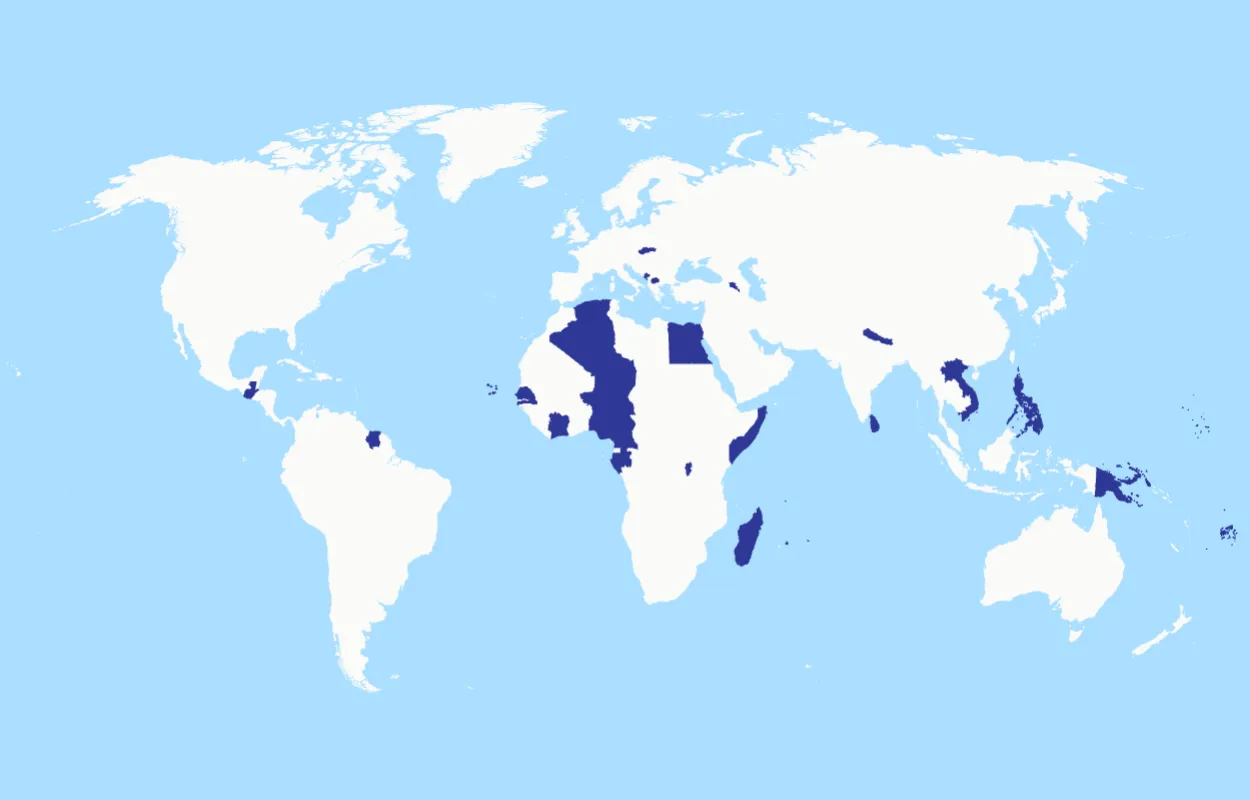
The Trump administration’s recall spans every major region of U.S. diplomacy. Africa bears the largest share, with chiefs of mission in Burundi, Cameroon, Cape Verde, Gabon, Côte d’Ivoire, Madagascar, Mauritius, Niger, Nigeria, Rwanda, Senegal, Somalia and Uganda summoned back to Washington.
News from Africa has raised concerns about U.S. relations amid ongoing counterterrorism efforts and political unrest, reflecting the administration’s shift to a secondary focus on the continent, giving less attention to broader social, political and economic development.
In a recent Foreign Policy Research Institute analysis, Charles A. Ray, former ambassador to Cambodia and Zimbabwe, argued the U.S. now views Africa primarily as a “battleground for resource competition with China,” emphasizing critical minerals and commercial corridors.
In East Asia and the Pacific, affected posts included Fiji, Laos, the Marshall Islands, Papua New Guinea, the Philippines and Vietnam, covering both island states and mainland partners. Europe and Eurasia saw recalls in Armenia, North Macedonia, Montenegro and Slovakia, leaving gaps in diplomatic leadership across eastern and southeastern Europe.
In the State Department Bureau for Near Eastern Affairs, two key North African partners were impacted. South and Central Asia has changes in Nepal and Sri Lanka, reflecting broader personnel shifts across Asia. Finally, in the Western Hemisphere, ambassadors to Guatemala and Suriname were affected.
What People Are Saying
U.S. State Department official told Newsweek: "An ambassador is personal representative of the president and it is the president’s right to ensure that he has individuals in these countries who advance the America First agenda."
Senator Jeanne Shaheen said, as per Politico: “We have about 80 vacant ambassadorships. Yet, President Trump is giving away U.S. leadership to China and Russia by removing qualified career ambassadors who serve faithfully no matter who’s in power.”
What Happens Next
Those affected by the shake-up are not losing their Foreign Service positions; they will return to Washington for new assignments, which they can accept if they choose, according to the Associated Press.
View 0 Comments
Submit Correction
View Editorial & AI Guidelines