...

By Claire Dodds
Life & Trends Reporter
0
Share
Newsweek is a Trust Project member
See more of our trusted coverage when you search.Prefer Newsweek on Googleto see more of our trusted coverage when you search.
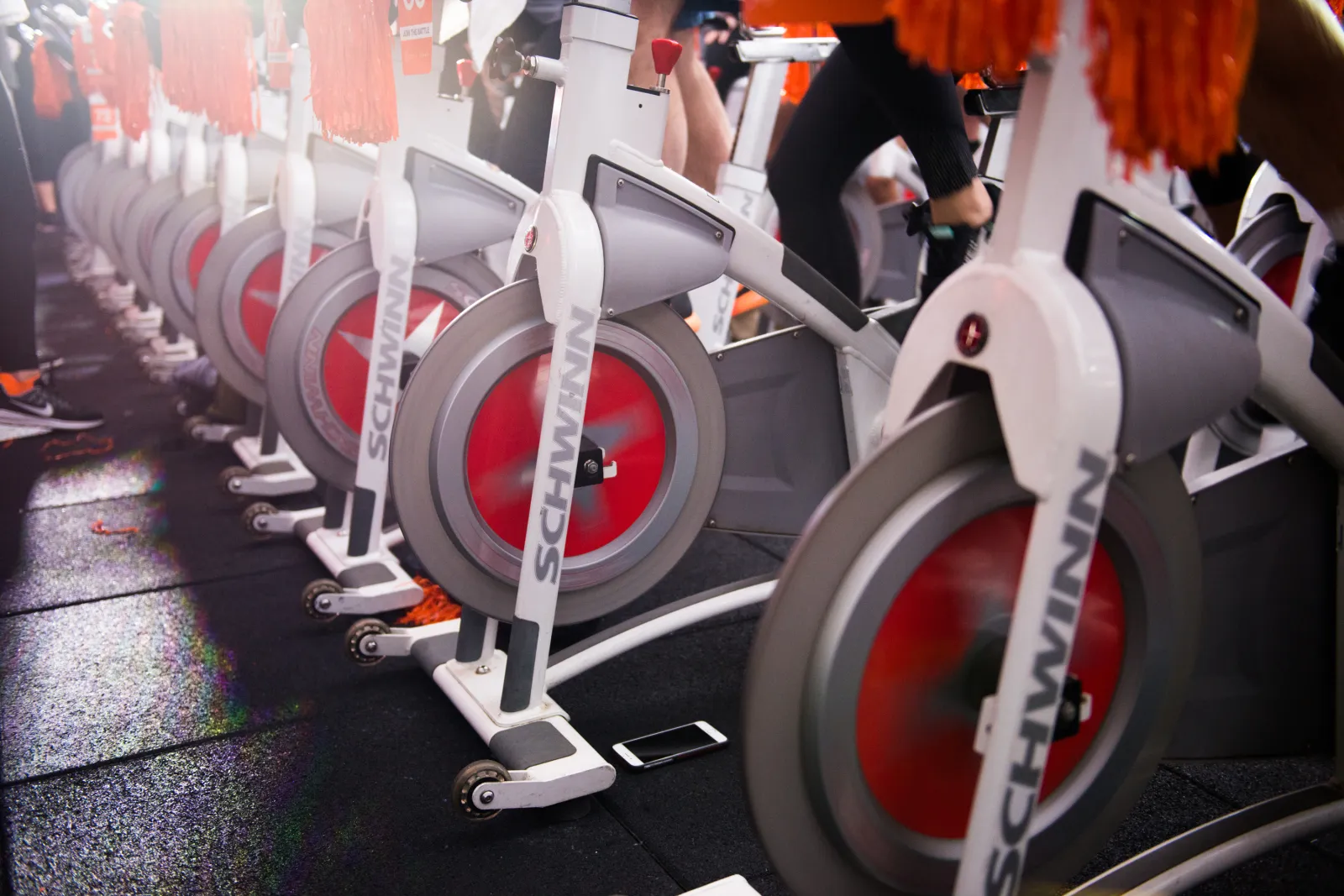
When Tatum Gies walked out of her first 45-minute cycling class, she assumed the burning in her legs was simply part of the workout.
“Right after 45 min cycle on Monday rip to my quads… my legs felt like Jello immediately after,” she wrote in a TikTok photo slideshow detailing her experience.
Convinced it was delayed onset muscle soreness, she tried to rest it off. But within days, the pain escalated.
Read More on Life
“Was convinced it was just [delayed onset muscle soreness] but ended up in the [emergency room] 72 hours later because I couldn’t walk and pain through the roof,” she shared.
Doctors confirmed she had rhabdomyolysis, often referred to as “rhabdo,” a rare but potentially life-threatening condition caused by muscle breakdown.
“[Creatine kinase] levels 38,000,” Gies wrote, referring to the enzyme that surges in the bloodstream when muscle tissue deteriorates.
...
According to the Cleveland Clinic, “Rhabdomyolysis is a condition that causes your muscles to break down (disintegrate), which leads to muscle death.”
The medical center notes that when muscle fibers break down, “toxic components of your muscle fibers enter your circulation system and kidneys. This can cause kidney damage.”
Gies described being placed on a stretcher and transported to the hospital.
“Got to ride in an ambulance kinda cool, but my legs felt like cement,” she wrote.
At the hospital, she was hooked up to a heart monitor and given continuous intravenous fluids.
“They put a heart monitor on me and lost count of [intravenous] bags at bag 20! Had to pee every 30 minutes,” she said, describing the aggressive hydration used to flush toxins from the body.
Protect the Kidneys
Treatment for rhabdomyolysis typically involves IV fluids to protect the kidneys.
The Cleveland Clinic states: “Receiving fluids and electrolytes intravenously (through a vein). These IV fluids flush the toxins from your system. You may need to stay in the hospital for a few days to receive these fluids.”
Gies said she remained hospitalized for several days.
"Shoutout... my very accurate [For You Page],” she said, citing that her TikTok FYP had hinted that she might be suffering from rhabdomyolysis.
While rhabdomyolysis is considered uncommon—affecting about 26,000 people in the United States each year, according to the Cleveland Clinic—it has increasingly been linked to high-intensity workouts.
A 2021 case series published in Cureus reported, “an increased occurrence of spin-related rhabdomyolysis observed among previously fit adults after undertaking their first spin bike class session.”
The authors noted that patients often present with, “the triad of myalgia, muscle weakness and dark tea-colored urine within a week of their first spin session.”
The study added that, “Exercise rhabdomyolysis is a potentially life-threatening medical condition if not adequately managed early.”
'How common this is!'
Gies’ story has prompted concern and questions from TikTok viewers amid almost 400 comments since February 3.
“The amount of people I’ve seen get rhabdo from cycling classes has influenced me to never try,” an individual shared.
Another asked, “How do we avoid this from happening? I’ve never heard of it!”
A fellow contributor noted, “I don’t think anyone realizes how common this is!”
Health experts advise easing into new exercise routines, staying hydrated and seeking medical attention if severe muscle pain, weakness or dark urine develop after intense physical activity.
Newsweek has reached out to tatumgies for comment via TikTok. We could not verify the details of the case.
To read how Newsweek uses AI as a newsroom tool, click here.
View 0 Comments
Submit Correction
View Editorial & AI Guidelines