10
Loading video...

By Melissa Fleur Afshar
Reporter
0
Share
Newsweek is a Trust Project member
See more of our trusted coverage when you search.Prefer Newsweek on Googleto see more of our trusted coverage when you search.
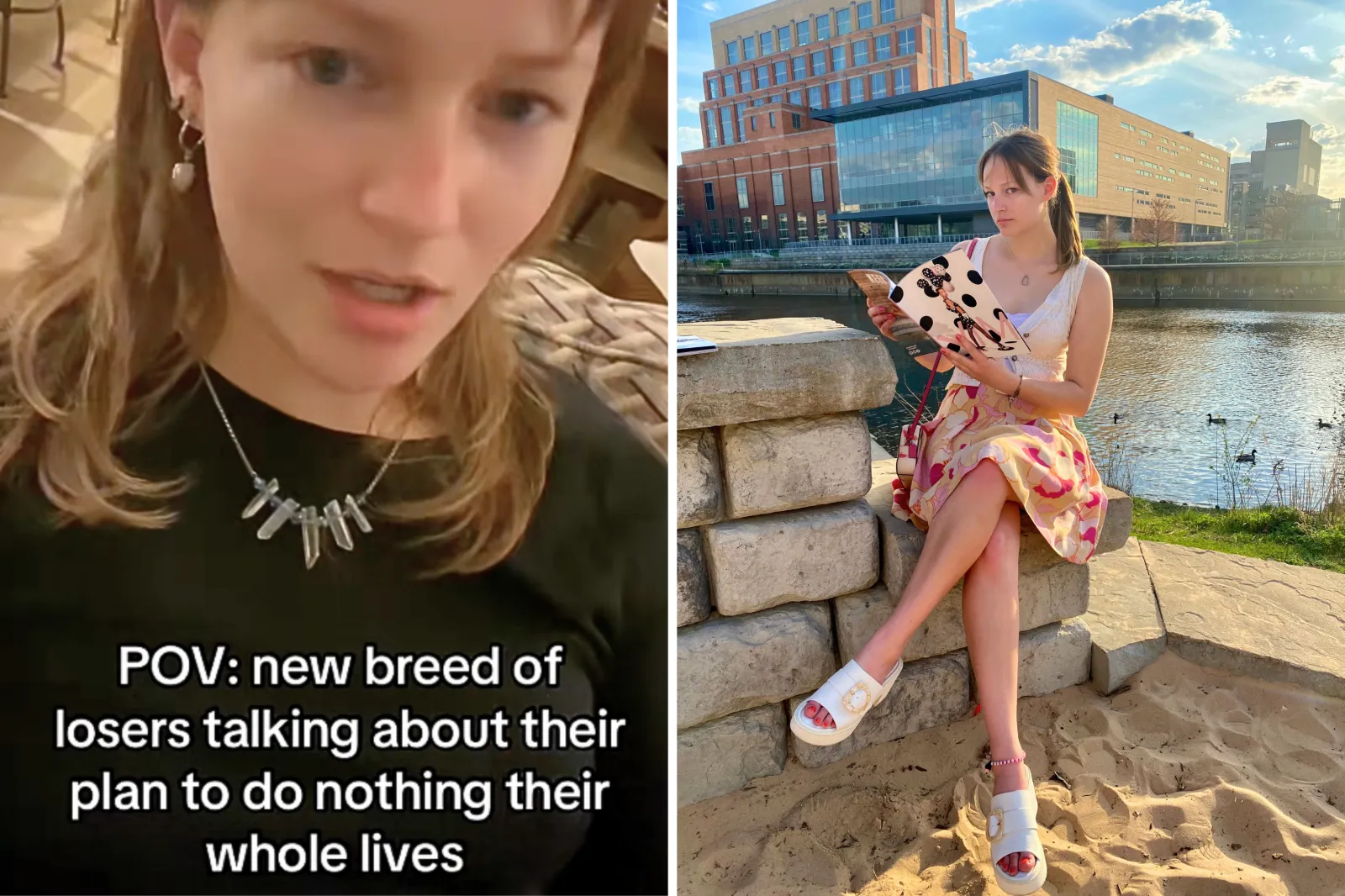
A Michigan woman’s viral TikTok video has sparked renewed debate about how Generation Z views work, wellness and ambition, after she criticized what she described as a “bizarre” shift toward conservative values among young women.
Halina Newland, 22, posted the video to her account @halinascloset on September 5. In it, she candidly addresses the camera, saying mockingly: “I just want to chill and watch my little shows and like, drink matcha, and like, go to my silly little Pilates class, I don't dream of labor...I want to be able to just get lunch...I don't really want to be stuck in an office...I'll be the really cool mom everyone is jealous of...with my white Range Rover, and my lululemon bubblegum pink set...I know that I'm a princess and I'm meant to be spoiled.”
The post has since garnered more than 439,000 views and over 63,000 likes, resonating with many while drawing scrutiny from others. It also revived discussion around the “soft life” trend, in which young people—particularly women—romanticize a lifestyle focused on luxury, self-care and rest, often in rejection of hustle culture.
Read More on On the Internet
Newland told Newsweek she believes the trend reflects a broader retreat from the progressivism that once defined her generation.
...
“Gen Z has been massively infiltrated by puritan culture and hyper conservative values,” she said. “Everywhere you look, you see young women in their 20s claiming their days of going out are ‘over,’ cracking jokes about crocheting, sleepy girl mocktails, and going to bed at 9 p.m. sharp.
"It’s not only alarming, but frankly bizarre behavior for such a young and lively age group.”
Although the word "puritan" has traditionally been used to describe individuals following a stricter moral code than is usual, Newland uses the term to describe people whose outlook is as she would see it, rather limited. She uses the term to refer to people who glamorize genteel, aspirational, and somewhat conservative hobbies that eclipse an interest in hard work and real-world issues. Though the "soft life" trend has been around for a while, Newland was particularly keen to question fellow Gen Zers who she feels orient their lives around ease and comfort without taking practical steps and contributing financially to actually achieving this.
“We are witnessing a complete reversal in social progress that our parent’s generation established,” Newland said. “My peers have more in common with their grandparents than their parents, at this point.
"That’s not to say prioritizing health and wellness isn’t important. It is—but many people in Gen Z are doing it as a complete escape from having to make any real plans for their lives.”
The critique appears to have drawn support from most viewers, even if ruffling the feathers of others.
“Many women in the comments of that video agreed with my sentiment, claiming they’ve had to cut ties with friends who have this mindset, or remarking on how ridiculous the expectations of these people often are,” Newland said.
Experts say the shift reflects more than just aesthetic preference.
Hila Harary, a future trend forecaster at Tectonic Shift, told Newsweek that the popularity of the “soft life” is rooted in economic and societal realities intensified by the pandemic.
“Since the pandemic, we’ve been living through a broader slowdown movement paired with what I’ve been calling ‘the home as the new center,’” Harary said. “It made slowing down and staying in feel logical, not lazy.”
She pointed to rising living costs and disillusionment with traditional success as key drivers.
“Gen Z doesn’t buy into the old promise that hard work automatically delivers the classic milestones—homeownership, car, family,” Harary said. “If the math doesn’t add up, they’re opting out of the chase and building a slower, lower-cost rhythm that actually supports their mental and physical health.
"Add the ongoing wellness wave, and you get a lifestyle built from home workouts, Pilates streams, matcha, herbal teas, gardening, cooking, baking—the whole 'grandma hobbies' bundle but modernized. This isn’t a loss of personality or ambition. It’s an adaptive move."
Sociologist, social psychologist and creator of Milestone Alex Krasovski told Newsweek the trend marks a generational redefinition of fulfillment.
“The ‘soft life’ trend reflects a cultural shift toward prioritizing well-being over dependence on social expectations associated with traditional notions of success,” he said. “Seemingly leisurely activities associated with soft life symbolize Gen Z’s broader commitment to mental health and a fulfilling living, where the emphasis is placed on enjoying the present instead of spinning like a squirrel on a wheel.”
Newland, however, sees danger in the extreme.
“Striving to live a ‘quiet luxury’ lifestyle where you don’t provide any of your own success or contribute to society is a lazy cop-out,” she said. “Simply put: people don’t want to invest the effort into putting themselves out there anymore.”
Update 12/01/25, 11:03 a.m. ET: This article was updated with an edit to Alex Krasovski's title.
View 0 Comments
Submit Correction
View Editorial & AI Guidelines