...

By Anna Skinner
Associate News Editor
0
Share
Newsweek is a Trust Project member
See more of our trusted coverage when you search.Prefer Newsweek on Googleto see more of our trusted coverage when you search.
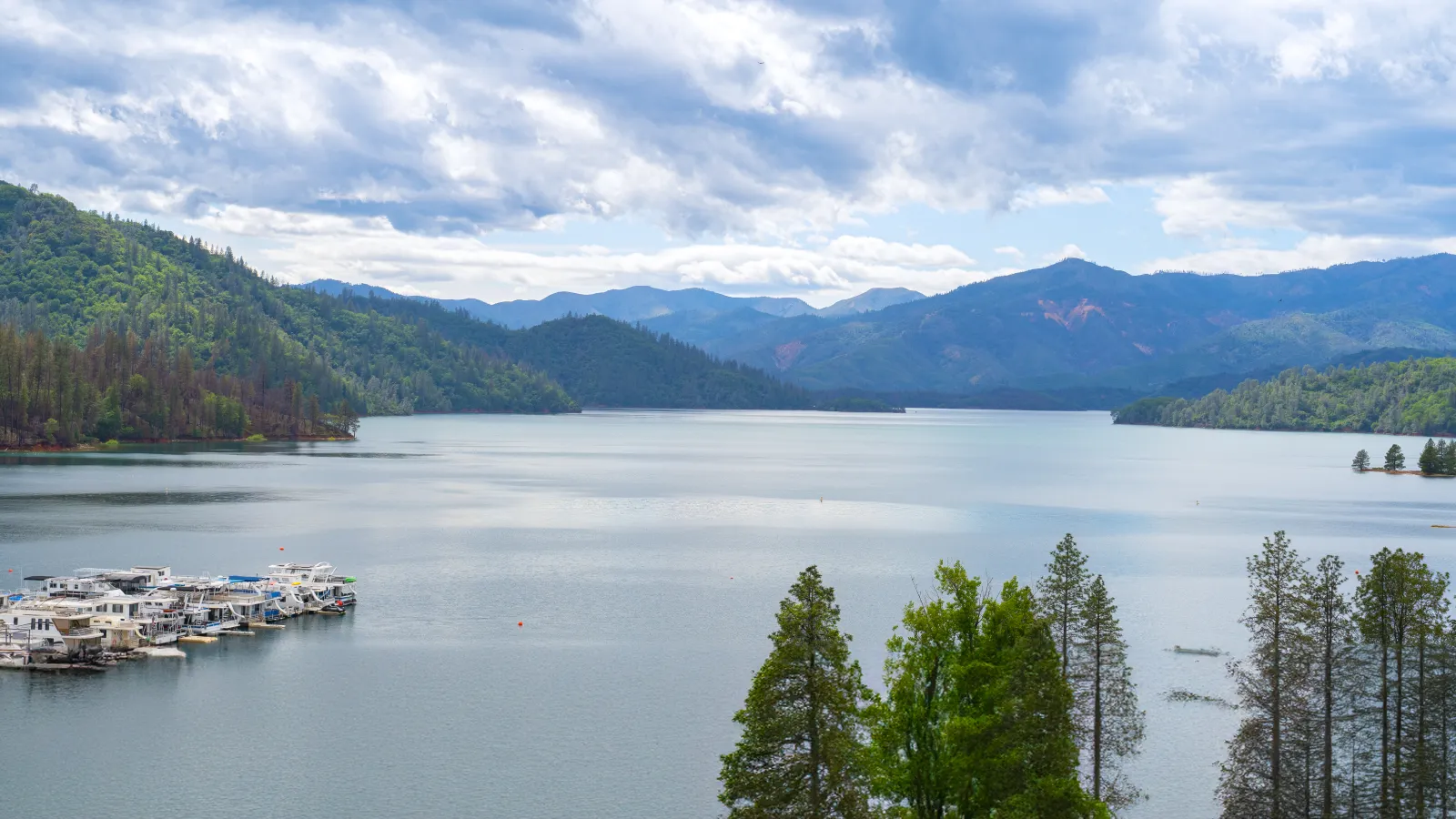
Water levels at California's largest reservoir have surged by more than 35 feet since mid-December.
Lake Shasta, near Redding, California, faced dangerously low water levels in the summer of 2022, when drought gripped much of California. After some moisture-rich winters, the lake has recovered and is now performing better than it historically does this time of year. Its recent jump in water levels come as California has faced a slew of atmospheric rivers that brought a deluge of moisture across the state.
Newsweek reached out to the U.S. Bureau of Reclamation, which oversees the lake, by email for comment.
Read More on U.S.
...
Although the strong storm systems have moved on, run-off is expected to continue to increase water levels at Lake Shasta and flood impacts are expected to continue elsewhere in the state. Atmospheric rivers are a “long, narrow region in the atmosphere—like rivers in the sky—that transport most of the water vapor outside of the tropics,” according to the National Oceanic and Atmospheric Administration (NOAA).
The storms brought by atmospheric rivers are known for their heavy snow and rain and strong winds. They more commonly affect the West Coast, particularly during the winter months. Although the storms can bring beneficial snow that helps supplement reservoirs throughout the summer dry season, they can also trigger deadly flooding, mudslides and widespread power outages.
A weather pattern change will bring drier conditions to California later this week, AccuWeather reported, although it's possible Lake Shasta could rise another 10 feet, according to a report by the Record Searchlight. Over the past six days, Redding received as much as 3 inches of rain, NWS Sacramento said in a post on X.
Flooding impact south of Redding are expected to persist at least through Tuesday, as NWS meteorologists are warning of rivers in minor flood stage.
Despite the surge, Lake Shasta still has a long way before it reaches full capacity. According to data from the California Department of Water Resources (DWR), the lake is currently at 79 percent of capacity, which is 132 percent of normal for this time of year.
Other major reservoirs in California also are performing exceptionally well for this point in the season, DWR data showed. For example, Cachuma Lake in Southern California is at 101 percent capacity, which is 160 percent of its historical average. Lake Oroville, the state's second-largest reservoir southeast of Lake Shasta, is at 74 percent capacity, or 135 percent of its historical average.
In addition to providing immediate improvements to Lake Shasta's water levels, the December storms also boosted California's snowpack, the DWR said in a press release. As of the first snowpack survey of the season, statewide snowpack was roughly 71 percent of historical average.
“The dry conditions and warmer temperatures in early December delayed our snow-building season, but the return of storm activity, especially in the last week, helped to build a solid base for this year’s snowpack,” State Hydrometeorologist Angelique Fabbiani-Leon said in the press release. “Thankfully, the recent storms that reached the state were cold enough to provide necessary benefits for the snowpack and our water supply. While California is in a better position now, it is still early in the season and our state’s water supply for this year will ultimately depend on a continued cadence of storms throughout winter and early spring.”
The Sierra Nevada snowpack supplies nearly one-third of California's water needs and supplements reservoirs long after winter has ended.
View 0 Comments
Submit Correction
View Editorial & AI Guidelines