...

By Lydia Patrick
Life & Trends Reporter
0
Share
Newsweek is a Trust Project member
See more of our trusted coverage when you search.Prefer Newsweek on Googleto see more of our trusted coverage when you search.
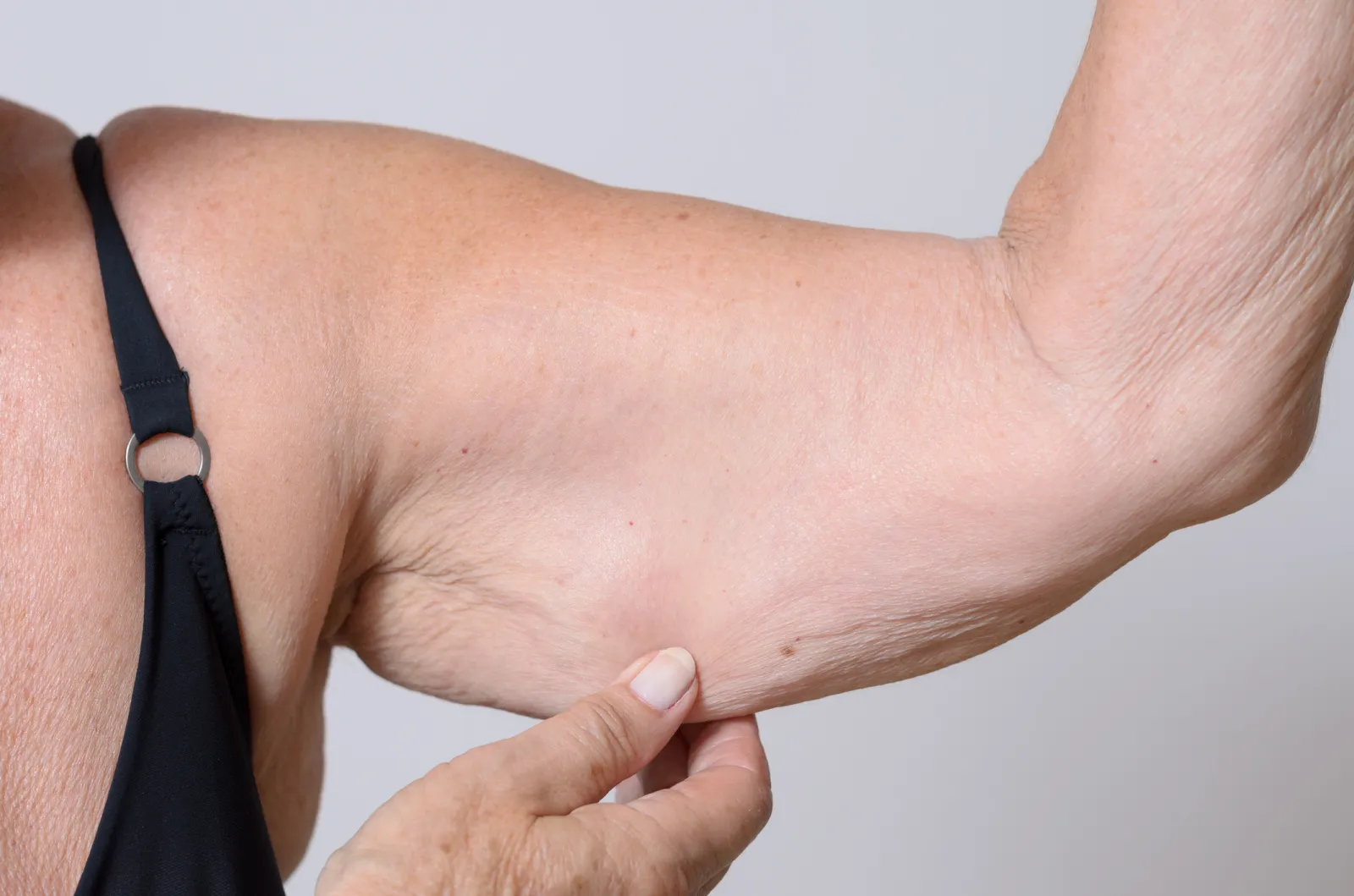
If you have ever wondered why your arms seem to hold on to fat even when you are eating well and exercising, you’re not alone. Many people find arm definition particularly tricky to achieve—but experts say there is science behind it, and a smart approach can make all the difference.
Arm-fat distribution is influenced by a mix of hormones, genetics, and lifestyle habits. While you can’t choose where your body loses fat first, you can build stronger, more defined arms with a combination of resistance training, smart nutrition, and patience. Experts told Newsweek that understanding the physiology behind fat storage—and what you can and can’t control—is the key to getting results.
Strength Training and the Science of Muscle Growth
Amanda Grimm, a personal trainer with a sports science degree and sports massage therapist at Knead Massage, told Newsweek that the arms respond to training in the same way as any other muscle group: through progressive overload. Consistently increasing weight, reps, or overall training volume signals the body to adapt and grow stronger.
Read More on Life
...
"When you challenge your arm muscles with resistance, you create microscopic tears in the muscle fibers," Grimm said. "As your body repairs those tears, the muscles get stronger and larger, which contributes to a toned, defined look."
Grimm added that compound exercises—movements that recruit multiple muscle groups, such as pushups, pullups, and rows—are especially powerful because they create a bigger hormonal response, increasing growth hormone and testosterone, both of which support muscle development.
The Role of Cardio and HIIT
Despite what many "arm toning" products claim, spot reduction is a myth, Grimm said. Fat loss happens across the body and is driven by creating a calorie deficit—burning more calories than you consume.
Cardio can help with that deficit, but Grimm said that it won’t do much to preserve or build muscle on its own. "HIIT (High-Intensity Interval Training) can be a fantastic option, as it combines the cardiovascular challenge with muscle preservation or growth; the short bursts of intense effort can help to build strength in the targeted muscle groups. You're getting two benefits for the price of one; you'll be burning calories while also working to increase your muscle mass," she added.
Grimm said that visible muscle tone often doesn’t show up until body fat drops below a certain level. For women, this typically happens around 18 to 22 percent body fat, though this range varies by individual.
Why Quick Fixes Don’t Work
Grimm advised steering clear of gimmicky devices promising to "spot tone" the arms. "Spot reduction violates basic physiology," she said. "It’s simply not how fat reduction works."
Instead, she emphasized consistency. "It might not be flashy or exciting, but compound lifts, caloric deficit and patience will yield results."
Sustainable changes take at least eight to 12 weeks, Grimm said, and rapid results achieved through extreme measures are usually unsustainable.
Hormones, Metabolism, and Arm Fat
Dr. Christine Maren, a functional medicine physician, told Newsweek that hormones play a major role in where we store fat—and that is especially true for women. Before menopause, estrogen encourages fat storage in the arms, hips, and thighs as subcutaneous fat, which is generally considered safer than belly (visceral) fat. After menopause, declining estrogen levels shift fat storage toward the abdomen.
Men typically store fat in the belly, but those who carry fat in their arms may have higher estrogen levels, sometimes linked to environmental chemicals called xenoestrogens.
Maren said that, while arm fat itself isn’t inherently dangerous, higher levels are often associated with a higher BMI, insulin resistance, and metabolic syndrome—conditions that raise the risk of heart disease, diabetes, and other health problems.
If arm fat seems unusually resistant to change despite consistent training and a healthy diet, it’s worth getting evaluated by a doctor, Maren added.
Stress, Thyroid, and the Metabolism Connection
Hormones such as cortisol and thyroid hormones also influence fat storage. Hypothyroidism slows metabolism, leading to greater fat accumulation across the body, including the arms. Chronically high cortisol, the stress hormone, encourages the body to hold on to fat, particularly in the abdominal area, but may contribute to general fat retention as well.
"As always, your body loves you, and there’s usually an evolutionary reason or advantage that our bodies respond the way they do. In premenopausal women, subcutaneous fat storage is likely related to increased survival during reproduction, as subcutaneous fat storage is an energy reserve for pregnancy and breastfeeding," Maren said.
Setting Realistic Expectations
Maren encouraged patients to view muscle-building as a cornerstone of overall health. "More muscle is always your friend," she said. It boosts metabolism, improves insulin sensitivity, lowers systemic inflammation, and supports healthy aging.
Maren added, however, that resistance training for the arms alone won’t necessarily lead to less arm fat.
Visible tone comes from a combination of lower overall body fat and increased muscle mass. Maren recommends resistance training three to five times per week; focusing on lean proteins, complex carbs, and fiber-rich foods; and working on hormone balance when needed.
Bottom Line
Both experts agree that achieving toned arms is about more than endless tricep kickbacks. It is about building muscle through progressive overload, supporting fat loss, and managing hormonal and metabolic health. Quick fixes rarely work—but a patient, consistent approach pays off.
As Grimm summed it up: "There’s no hacking basic exercise science."
View 0 Comments
Submit Correction
View Editorial & AI Guidelines