...

By James Bickerton
News Reporter
0
Share
Newsweek is a Trust Project member
See more of our trusted coverage when you search.Prefer Newsweek on Googleto see more of our trusted coverage when you search.
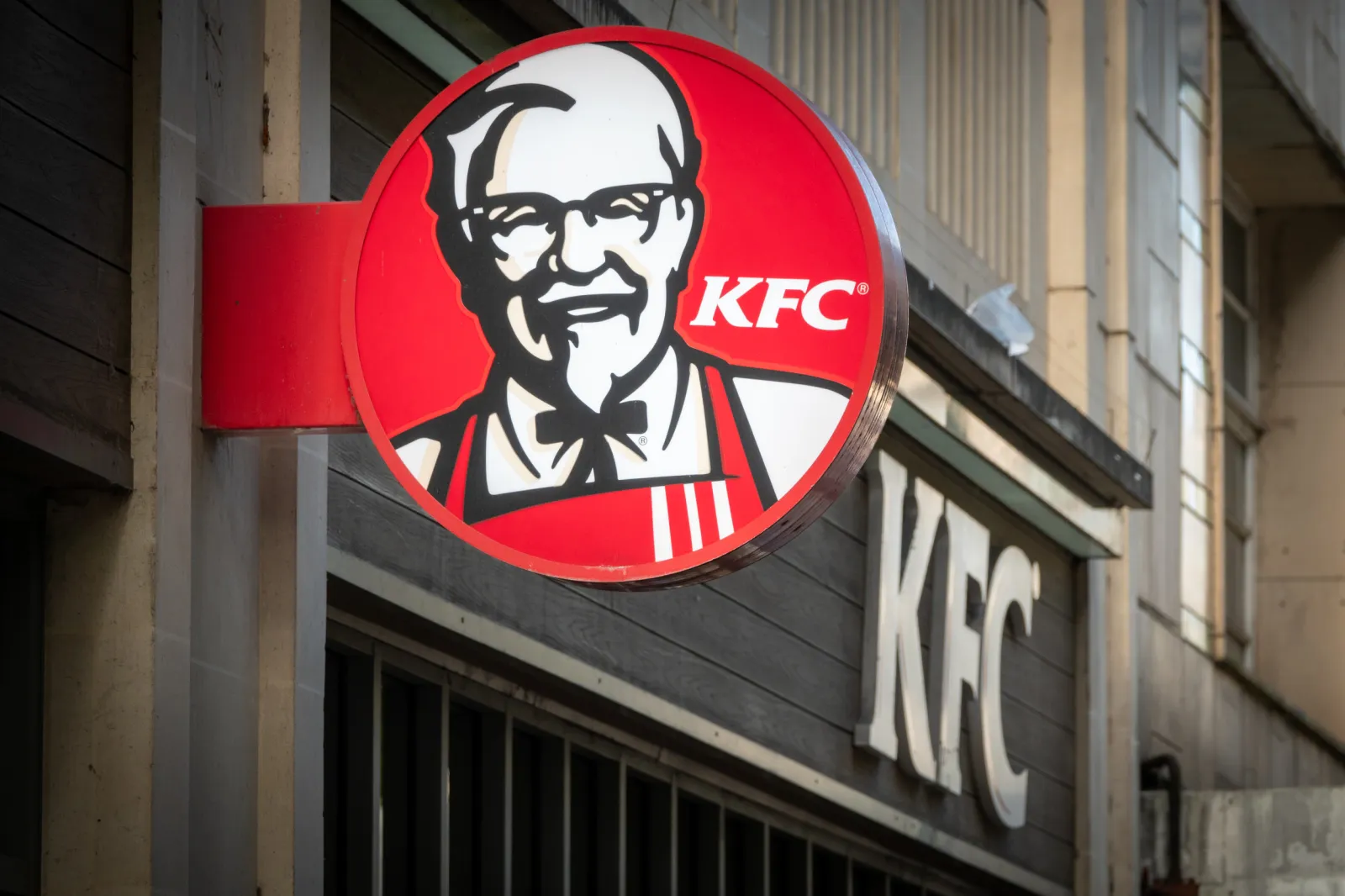
On Tuesday it was announced that KFC, the fast food giant formerly known as Kentucky Fried Chicken, is moving its U.S. headquarters from Louisville in Kentucky to Plano, a city on the northern outskirts of Dallas.
Why It Matters
Over the past few years, a swath of major corporations have announced they were moving their corporate headquarters to Texas, attracted by the state's low taxation, solid economic growth and business friendly policies.
Read More on U.S.
These have included energy corporation Chevron, investment firm Charles Schwab Corporation and Elon Musk controlled companies X, formerly Twitter, and SpaceX.
What To Know
Tuesday's announcement was made by Yum! Brands, KFC's parent company, which said it eventually plans to have two corporate headquarters for its restaurant empire which also includes Pizza Hut, Taco Bell and Habit Burger & Grill. These are set to be in Plano and Irvine, California.
As part of the KFC move, Yum! Brands said 100 employees will relocate to the new headquarters over the next six months, with another roughly 90 remote workers moving over an 18-month period.
...
While shifting its corporate headquarters to Texas, KFC intends to maintain a corporate office in Louisville, and also plans to open a flagship restaurant in the Kentuckian city.
KFC was founded by Colonel Harland Sanders, who started be selling fried chicken at the side of the road before opening his first restaurant in Salt Lake City, Utah, in 1952.
In 2024, KFC surpassed 30,000 restaurants across the globe, with the company estimating a new branch opened somewhere in the world "every 3.5 hours on average."
What People Are Saying
In a statement dated February 18 sent to Newsweek, Yum! Brands said: "Yum! Brands announced today its plans to designate two brand headquarters in the U.S., located in Plano, Texas, and Irvine, California, to foster greater collaboration among brands and employees.
"This strategic decision will involve relocating KFC U.S. corporate office employees currently in Louisville, Kentucky, to the KFC and Pizza Hut Global headquarters in Plano, Texas. In addition, U.S.-based remote employees will be asked to relocate to the campus where their work happens."
David Gibbs, Yum! Brands' chief executive officer, commented: "These changes position us for sustainable growth and will help us better serve our customers, employees, franchisees and shareholders.
"Ultimately, bringing more of our people together on a consistent basis will maximize our unrivaled culture and talent as a competitive advantage. I'm confident this is another important step in growing our iconic restaurant brands globally."
Speaking to the Associated Press, Kentucky Governor Andy Beshear spoke out against the move, commenting: "I am disappointed by this decision and believe the company's founder would be, too. This company's name starts with Kentucky, and it has marketed our state's heritage and culture in the sale of its product."
On X, Louisville Councilman Anthony Piagentini said: "This city should do everything in its power to become a business friendly city. However, if KFC doesn't give a c*** about us I don't know why we should reciprocate. Call it Texas Fried Chicken and make it official. Let's find companies that want to be here and support them."
What Happens Next
The process of relocating full time employees from the old KFC headquarters in Kentucky to the new one in Texas is expected to take up to six months.
If major brands continue to relocate to Texas, it will pose a stark challenge to other states who could face financial pressures. While most of the major corporations relocating to Texas have come from Democratic-run California, KFC is an exception, as Kentucky is also Republican-dominated.
Update 2/19/25, 3:11 a.m. ET: This article has been updated with a statement from Yum! Brands.
View 0 Comments
Submit Correction
View Editorial & AI Guidelines