
By Tom Fish
0
Share
Newsweek is a Trust Project member
See more of our trusted coverage when you search.Prefer Newsweek on Googleto see more of our trusted coverage when you search.
Hamsters make excellent pets, as they can become extremely attached to their humans.
These super-cute rodents may be small but their presence is always felt within a household.
However, Gail Hansen, a veterinary representative of the Humane Society Veterinary Medical Association, said these small animals still require a high level of commitment.
Read More
These are 15 of the Most Popular Pet Products on Amazon11 min read

Cat Goes for Spin Inside Washing Machine in Adorable Video Viewed 17M Times4 min read

15 of the Smallest Pets1 min read

She told Newsweek: "Hamsters are often considered a 'starter pet' because they are small and cute, but they are still a big responsibility, so families who are thinking about getting a hamster should first carefully consider whether it is a good fit."
Read on to learn some fascinating facts about the common hamster, also known as the Cricetus cricetus.
1. Hamsters Have Been Known To Eat Their Offspring
...
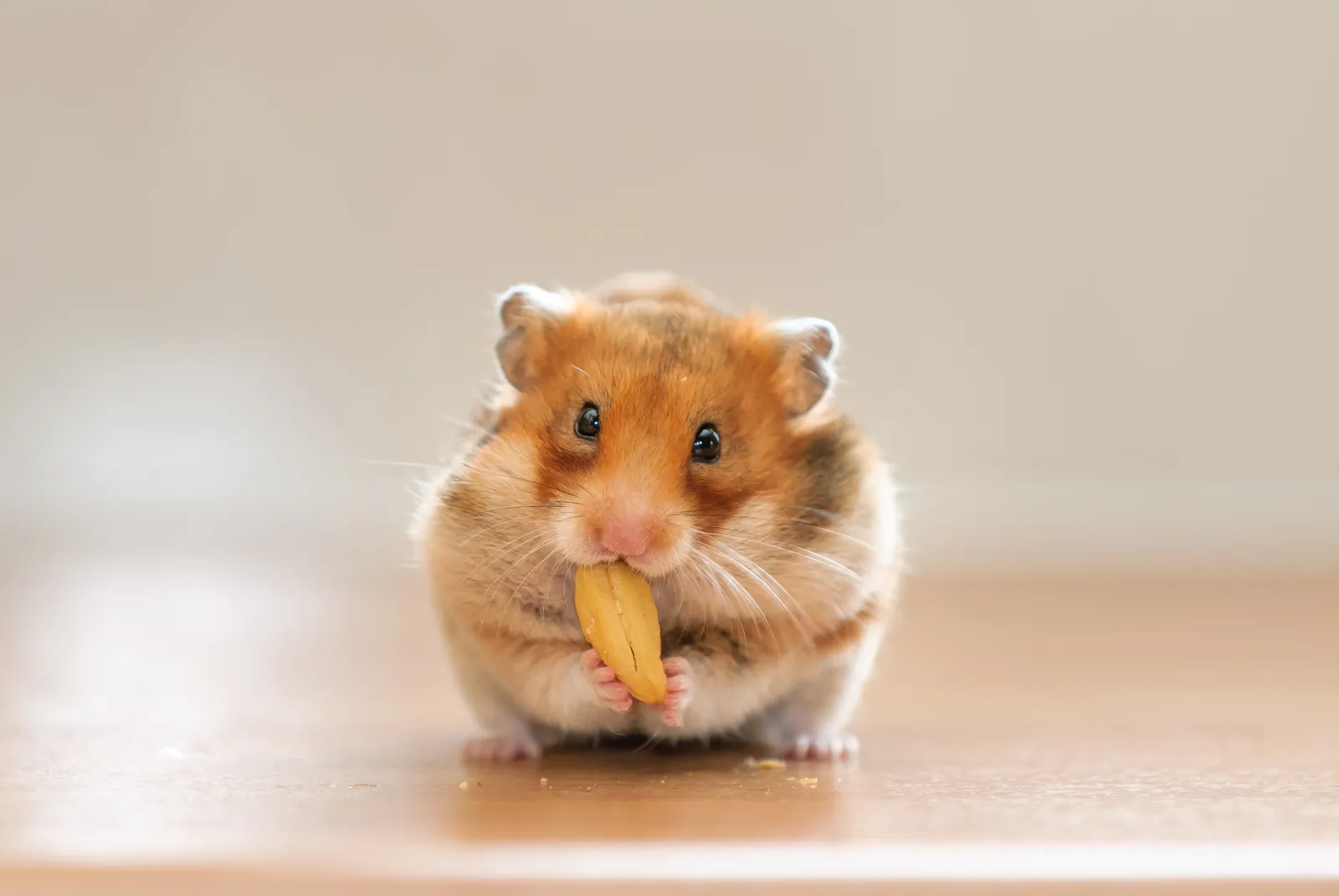
People for the Ethical Treatment of Animals (PETA) states hamsters do not eat their babies or each other "unless something is very, very wrong."
The organization told Newsweek: "Cannibalism among hamsters is a sign of stress, usually because of severe crowding, neglect, or inadequate care. We often see cannibalism in the pet trade, which packs hamsters together into crowded bins, where they are forced to compete for food, water, and safe hiding spots.
Simon Hein, a conservationist at the German Wildlife Foundation in Hamburg, stresses while it is very rare for hamsters in the wild to eat their offspring, there are several triggers of this phenomena.
He said: "A lack of maternal experience—young rodent females sometimes kill their first litter, especially if they are relatively small and not fed a balanced diet.
"An unbalanced diet—in particular, a diet of corn leads to vitamin deficiency, which results in cannibalistic behavior.
"Overpopulation and intraspecies fights—when too many animals gather in too small a space, it can lead to attacks and cannibalism among themselves."
"Males might kill unrelated young—mothers get in oestrus after that infanticide again and the infanticidal male will sire this female's next offspring."
He added: "Especially the last point is not relevant for the open landscape of Europe with the rare occurrences of hamsters. Cannibalism of the offspring is a relatively new area of research and difficult to study in nature due to underground burrows."
2. Hamster Species Are Critically Endangered
The common hamster is threatened with extinction in Europe due to habitat loss.
Simon Hein said: "Due to the loss of once-structurally rich agricultural areas and the expansion of industrial agriculture during the last decades, it increasingly lacks a suitable habitat.
"Few projects, like the project Feldhamsterland of the German Wildlife Foundation, try to protect the last remaining occurrences of the common hamster.
3. There Are a Surprising Number Of Hamster Species
...
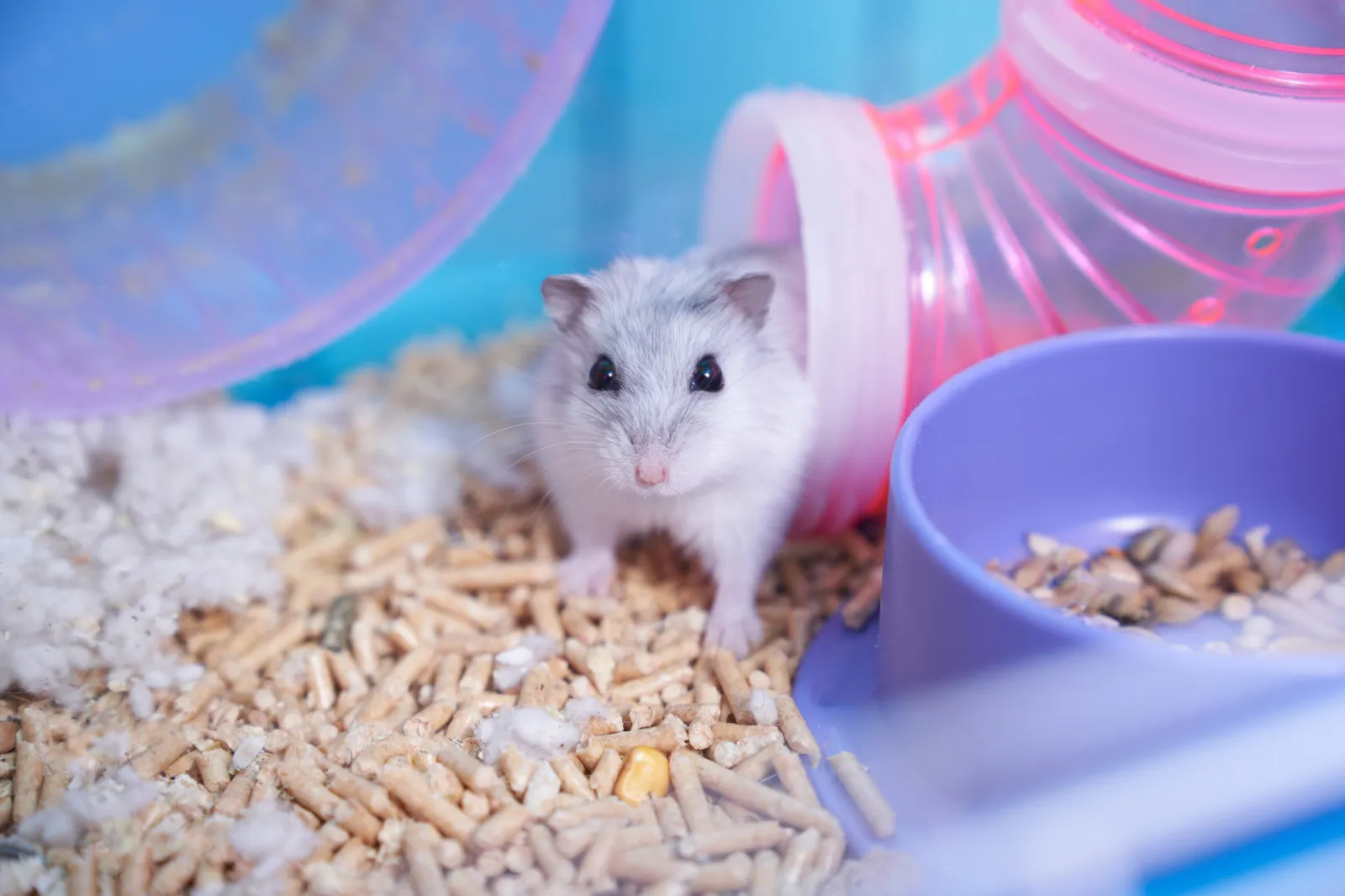
Dr. Jane Tyson, Royal Society for the Prevention of Cruelty to Animals (RSPCA) rodent expert, states there are 24 species of hamster and they belong to the family Cricetidae.
She told Newsweek: "The Syrian, Russian, Dwarf, Campbell and Roborovski breeds are the most popular for pets."
4. Hamsters Need Large, Secure Homes To Thrive
PETA told Newsweek: If an enclosure is too small, a hamster can develop 'cage rage', a condition caused by stress that can lead to biting, excessive urinating, incessant cage-bar biting and other behavioral issues.
"Large hamsters should have a minimum of 800 square inches of clear floor space, and dwarf hamsters should have at least 640.
"PETA recommends that hamster guardians build their own enclosures or use a 75-gallon (or larger) aquarium—that's one over foiur feet long—with a fitted mesh lid."
5. Hamsters Are Surprisingly Large
...
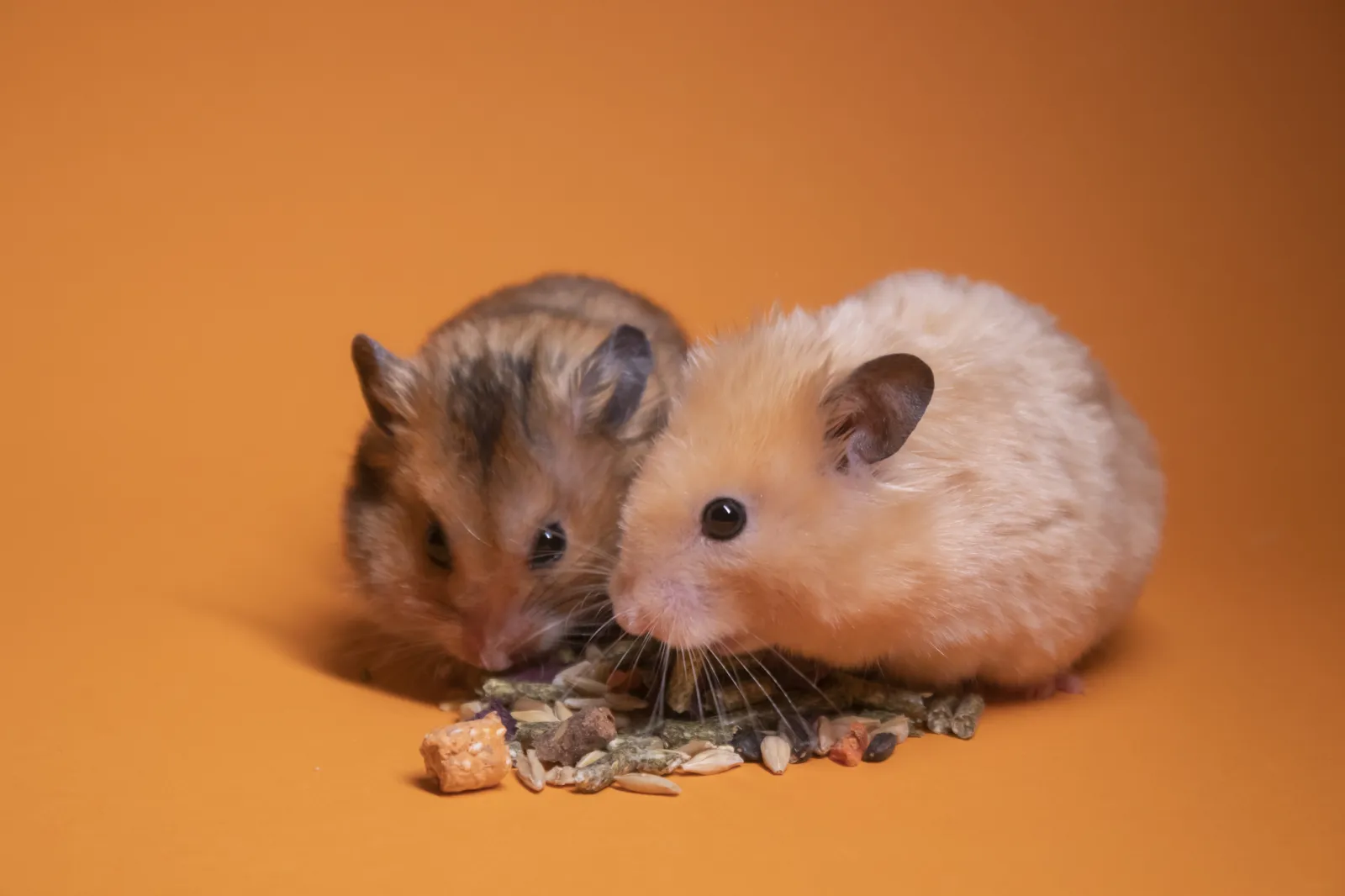
Simon Hein notes how the small rodents are "bigger than many think."
He said: "A common hamster is more than twice as big as the famous golden hamster (Mesocricetus auratus) and can grow up to 35 cm tall and weigh 650g.
"In order to be able to hoard supplies, for example in the form of grains, the rodent has large, expandable cheek pouches for transport.
"Depending on the size of the animal, these expandable 'hopping bags' can hold about 60 grams of grains or other food. Translated to a human scale, this would be like carrying seven to eight kilograms of food in our cheeks."
6. Beware of Hamster Balls And Wheels
PETA suggests most marketed hamster wheels are too small, which can cause hamsters to arch their backs.
It said: "These animals really need wheels with diameters of at least 11 inches (8 inches for a dwarf hamster), which may be marketed for rats.
"PETA doesn't recommend the use of hamster balls, which are extremely disorienting for these timid prey animals, who rely on their whiskers to navigate."
Dr. Tyson appeared to agree, adding: "Hamster balls may actually be stressful for hamsters as their sight is poor, they rely on other senses which could be restricted when confined to a ball.
"They could also find it very stressful when they collide with objects around the home and there is a potential risk of injury to the hamster's paws and/or legs if pinched or caught in the air holes in the exercise ball."
7. Hamsters May Have a Hidden Defense Mechanism

...
German Wildlife Foundation expert Simon Hein said: "One theory is that the special fur marking of the common hamsters serves as a defence against enemies.
"Thus, in case of inevitable danger, the defensible hamster stands on its hind legs and presents its black belly and the white insides of its legs.
"This may be to imitate a wide-open mouth of a large predator. By additional hissing and growling, he tries to drive away predators."
8. A Lone Hamster Can Be a Happy Hamster
PETA said: "Syrian hamsters can bond with a human guardian but should not live with another hamster, as they are territorial.
"Dwarf hamsters can live with a companion if introduced at a young enough age, but they might still fight. They still need companionship, though—from their human guardians."
Dr. Tyson added: "Not all hamsters are sociable—in the wild, Syrian hamster adults generally live on their own in their burrows. Other species, such as the Russian dwarf, naturally live in groups."
9. Hamsters Hibernate
...
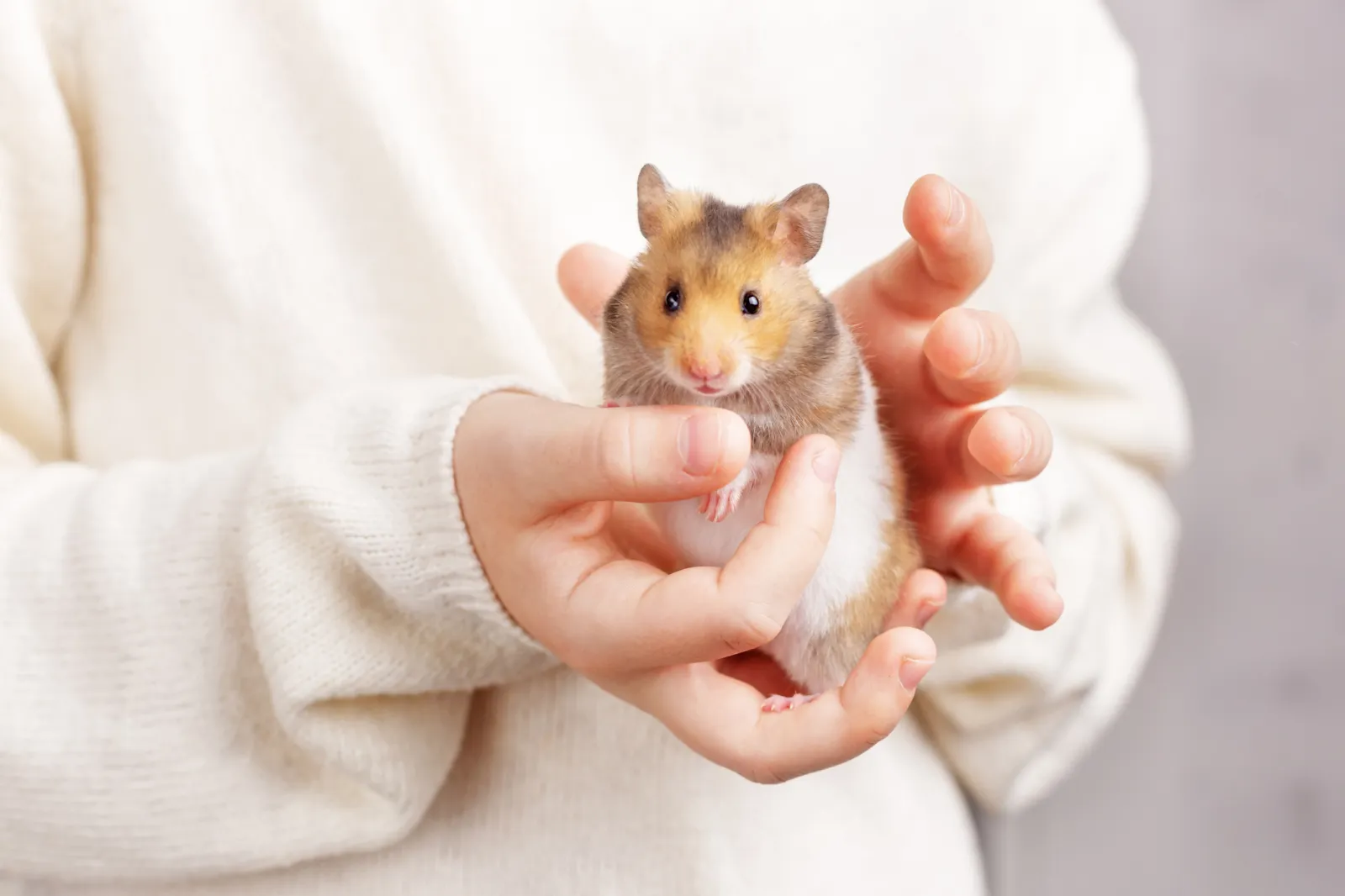
To avoid the lack of food and the cold in winter, the common hamster hibernates between October and April. Therefore, in addition to the summer burrow, it creates winter burrows specially adapted to the cold season.
Hein said: "These are only used for hibernation and are deeper than the summer burrows (more than 1.2m deep). During hibernation, metabolic processes are reduced to an extreme minimum: Body temperature drops to two to three degrees Celsius, breath rate to an average of one breath per minute, heart rate to an average of five beats per minute, and brain activity almost stops.
"In science, this state is called torpor, after the Latin term for 'solidification'. Such torpor phases in common hamsters can last from several days to a maximum of two weeks, but never the whole winter.
"Between the torpor phases, the rodent increases metabolism followed by an increase of body temperature. These events are called torpor bouts and used by hamsters to snack on its food storage, to visit the excrement chamber, and sleep.
"Indeed, true sleep during these torpor bouts are necessary to keep the brain function alive. Hamsters, which are disturbed during their sleep events during hibernation, stop torpor with a fragmented memory."
Dr. Tyson added: "Although they may seem cold and still, a hibernating hamster will wake up quite quickly once they warm up so if owners want to check if they are OK, they could try moving them to a warmer part of the house.
"If an owner is unsure they should contact their vet for advice. Keeping them warm during the winter will help prevent pet hamsters from going into hibernation."
10. Hamsters Party At Dawn And Dusk
PETA explained hamsters are crepuscular, meaning that they spend daylight hours and nighttime burrowed in their nests.
The organization said: "Guardians should respect their sleeping schedules and not wake them up for playtime."
Dr. Tyson added: "Hamsters are nocturnal, with large eyes and a retina dominated by rods - the part of the eye that can function in lower light."
View 0 Comments
Submit Correction
View Editorial & AI Guidelines