...

By Jesus Mesa
Reporter
0
Share
Newsweek is a Trust Project member
See more of our trusted coverage when you search.Prefer Newsweek on Googleto see more of our trusted coverage when you search.
Energy companies across the Persian Gulf are invoking a little-known legal clause known as force majeure, as the escalating conflict in the region begins to disrupt one of the world’s most important energy hubs.
Qatar halted production of liquefied natural gas this week after Iranian missile and drone strikes targeted Gulf energy infrastructure, raising fears that oil and gas exports across the region could soon stop. Qatari Energy Minister Saad al-Kaabi warned that if the fighting continues, producers throughout the Gulf might be forced to suspend deliveries within days.
“Everybody that has not called for force majeure we expect will do so in the next few days,” al-Kaabi said in an interview with the Financial Times.
Read More on News
Why It Matters
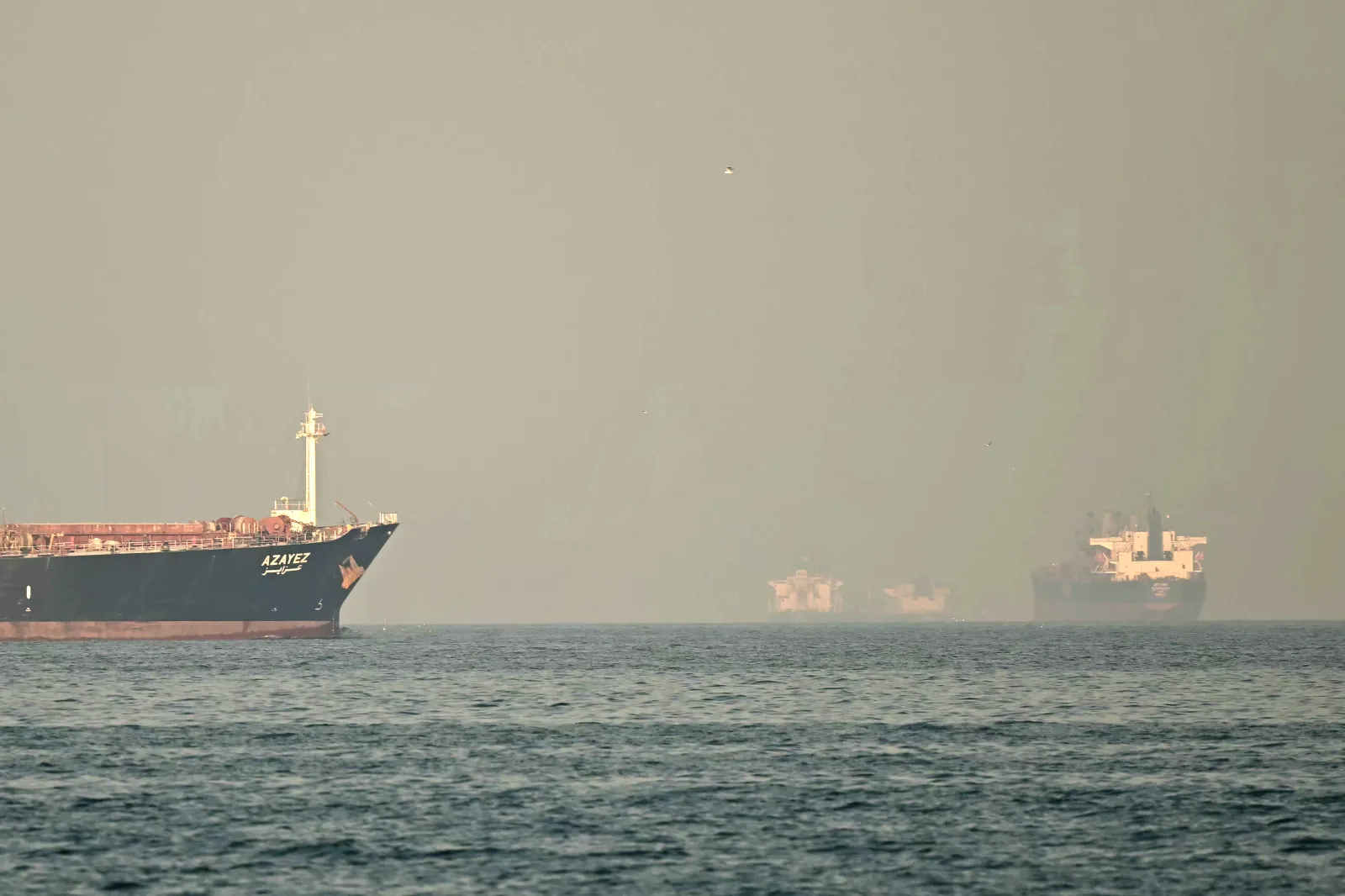
The warning comes as the widening conflict involving Iran, Israel and the United States begins to threaten energy infrastructure and shipping routes across the Gulf. The Strait of Hormuz, a narrow waterway between Iran and Oman that carries roughly one-fifth of global oil shipments, has seen tanker traffic drop sharply as the fighting intensifies.
If ships cannot safely pass through the strait, producers may be unable to export their crude and liquefied natural gas, forcing companies to stop pumping once storage facilities fill. Oil prices have surged from about $70 late last week as the war has expanded.
...
What To Know
Force majeure, a French term meaning “superior force,” is a clause included in many international commercial contracts. It allows companies to suspend contractual obligations when extraordinary events beyond their control, such as war, natural disasters or government actions, make it impossible to fulfill them.
In the energy sector, declaring force majeure allows producers to halt shipments without being penalized for failing to deliver oil or gas promised under supply contracts.
The potential disruption has already rattled energy markets. Analysts say oil prices could climb sharply if Gulf exports are halted for an extended period, with some forecasts suggesting crude could reach $150 a barrel if the conflict drags on.
Currently, Brent crude, the international benchmark, rose another 8.5 percent Friday to settle at $92.69 a barrel. During trading, it briefly climbed above $94, its highest level since September 2023. U.S. benchmark crude jumped 12.2 percent to $90.90 a barrel, topping $90 for the first time since the fall of 2023.
Qatar’s shutdown alone is significant. The country accounts for roughly 20 percent of global liquefied natural gas supply, making it one of the most important exporters to markets in Europe and Asia.
Even if the conflict ends quickly, restoring normal deliveries might take time. Energy infrastructure requires safety inspections and logistical coordination before operations can fully resume, meaning exports could remain disrupted for weeks or months.
What People Are Saying
U.S. President Donald Trump told reporters in the Oval Office on Tuesday: “We have a little high oil prices for a little while, but as soon as this ends, those prices are going to drop—I believe, lower than even before."
Torbjorn Soltvedt, principal Middle East analyst at Verisk Maplecroft, told Newsweek this week: “The global oil market now faces a situation where critical energy infrastructure in the Middle East is being hit directly at the same time as traffic through the Strait of Hormuz has ground to a halt."
David Warrick, executive vice president at the supply chain risk management firm Overhaul, told Newsweek: "The Strait of Hormuz is one of the most critical choke-points for global oil flows. Any disruption or even perceived risk in that corridor can push crude prices higher almost immediately, and those increases tend to work their way through to U.S. fuel markets."
What Happens Next
The U.S. government gave details Friday about a plan Trump has announced offering insurance to ships crossing the strait, but it had little effect on the market. If oil prices spike further, like to $100 per barrel, and stay there, some analysts and investors say it could be too much for the global economy to withstand.
In a polarized era, the center is dismissed as bland. At Newsweek, ours is different: The Courageous Center—it's not "both sides," it's sharp, challenging and alive with ideas. We follow facts, not factions. If that sounds like the kind of journalism you want to see thrive, we need you.
When you become a Newsweek Member, you support a mission to keep the center strong and vibrant. Members enjoy: Ad-free browsing, exclusive content and editor conversations. Help keep the center courageous. Join today.


View 0 Comments
Submit Correction
View Editorial & AI Guidelines