
...

By Amanda Greenwood
Associate News Editor
0
Share
Newsweek is a Trust Project member
See more of our trusted coverage when you search.Prefer Newsweek on Googleto see more of our trusted coverage when you search.
California lawmakers are advancing a new proposal that could significantly change how residents buy firearms, requiring new owners to complete hands-on safety training before making a purchase.
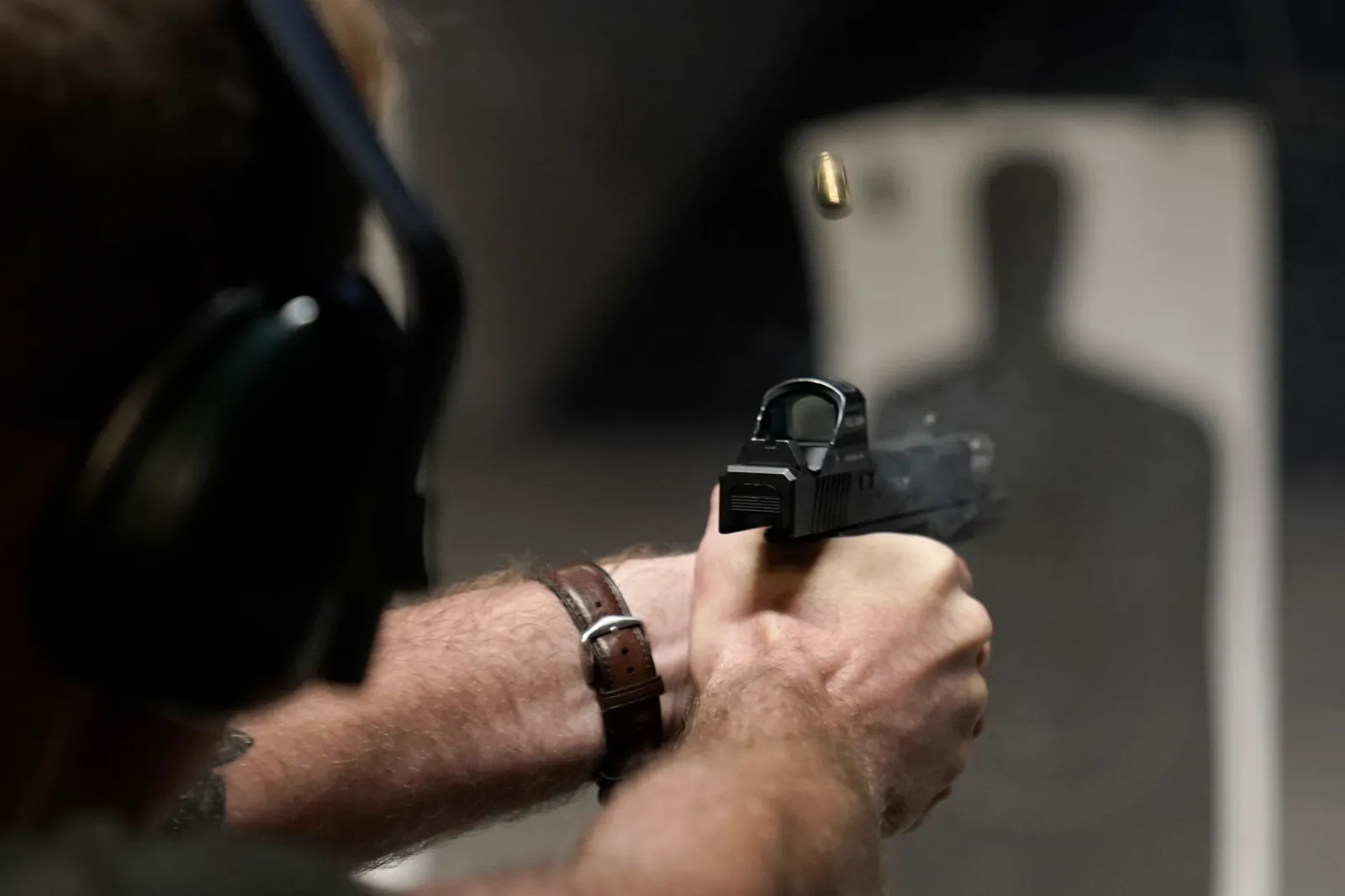
The measure—Senate Bill (SB) 948—would mandate that most gun buyers complete a minimum four-hour, state-approved firearms safety course, including live-fire exercises at a shooting range, before they can secure a firearm safety certificate.
That certificate is already required under state law, but currently, applicants only need to pass a firearm safety test, written by the California Department of Justice (DOJ) and administered by DOJ‑certified instructors, to buy a gun.
Read More on News
If enacted, the bill would mark one of the most substantial updates to California’s firearm purchasing process in years, shifting the state away from a paper-based knowledge check toward mandatory practical instruction—a move supporters say could reduce accidents and improve responsible gun ownership, but critics argue would place new barriers in the way of lawful gun buyers.
...
What the Bill Would Change
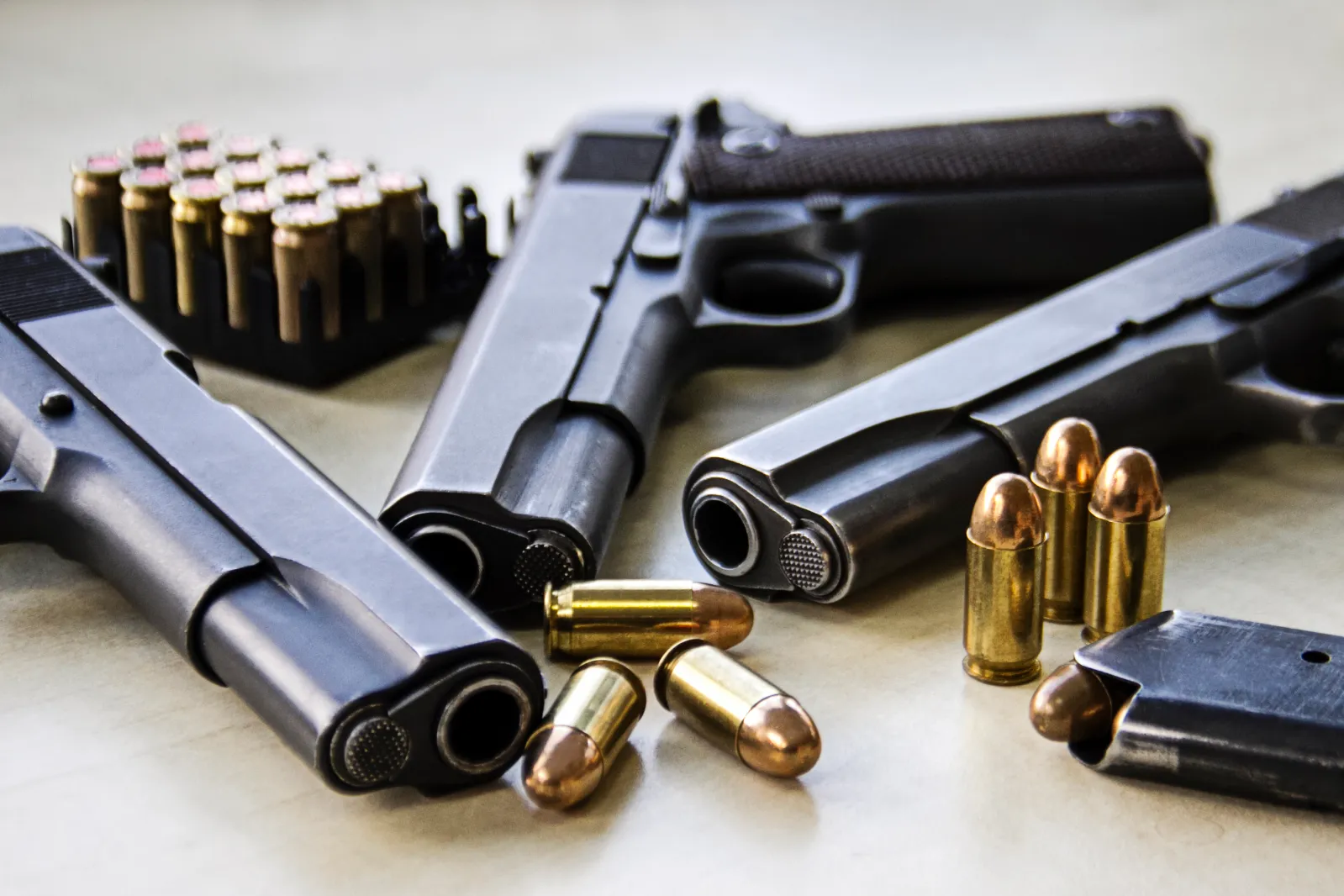
Under existing California law, anyone purchasing or receiving a firearm must hold a valid Firearm Safety Certificate (FSC), obtained by passing a 30-question written test covering safe handling, storage, and basic firearm laws. The test costs $25, is valid for five years, and can be taken at licensed gun dealers or with certified instructors.
SB 948 would add a new requirement: Beginning 1 July 2028, applicants would also need to complete a hands-on training course that includes live-fire shooting at a range.
The bill would also affect people moving into California with firearms. Under the new terms, new residents will now have up to 180 days to obtain a firearm safety certificate and register their guns with the state.
...
Why Lawmakers Say the Change Is Needed
The bill is being spearheaded by Democratic State Senator Jesse Arreguín, who argues that California’s reputation for strict gun laws masks a gap in its training requirements.
CBS News quoted Arreguín as saying that "we have some of the strongest firearm safety laws in California,” adding, “but unlike other states, including Maryland and Hawaii, we don't have any requirements on training” for buyers beyond a written test.
Arreguín has framed the proposal as a response to firearm accidents and unsafe storage, particularly incidents involving children.
“Firearm safety is essential in preventing firearm related incidents, especially those involving children. By strengthening training requirements and closing gaps in current law, SB 948 will ensure responsible gun ownership to keep Californians and community safe,” he said while discussing the proposal in committee.
Supporters of the bill have pointed to cases where improperly stored or mishandled guns led to unintended shootings, arguing that practical training could reduce those risks.
The DOJ’s own Firearm Safety Certificate study guide emphasises that written knowledge alone is not sufficient, stating that “simply reading this study guide will not make you a safe firearm owner” and that safe handling must be practised to reduce accidental injuries and deaths, particularly those involving children.

...
What The New Law Means for New Gun Buyers
If SB 948 becomes law, new gun buyers would face several new steps:
- Completion of a state-approved firearms safety course before obtaining a firearm safety certificate
- A requirement that training include hands-on, live-fire experience with a firearm
For example, under the proposal, a first‑time buyer in Los Angeles or the Bay Area would need to locate a DOJ‑certified instructor, schedule range time, complete classroom instruction and safely fire a weapon before returning to a licensed dealer to complete a purchase—a process that could stretch over days or weeks depending on availability.
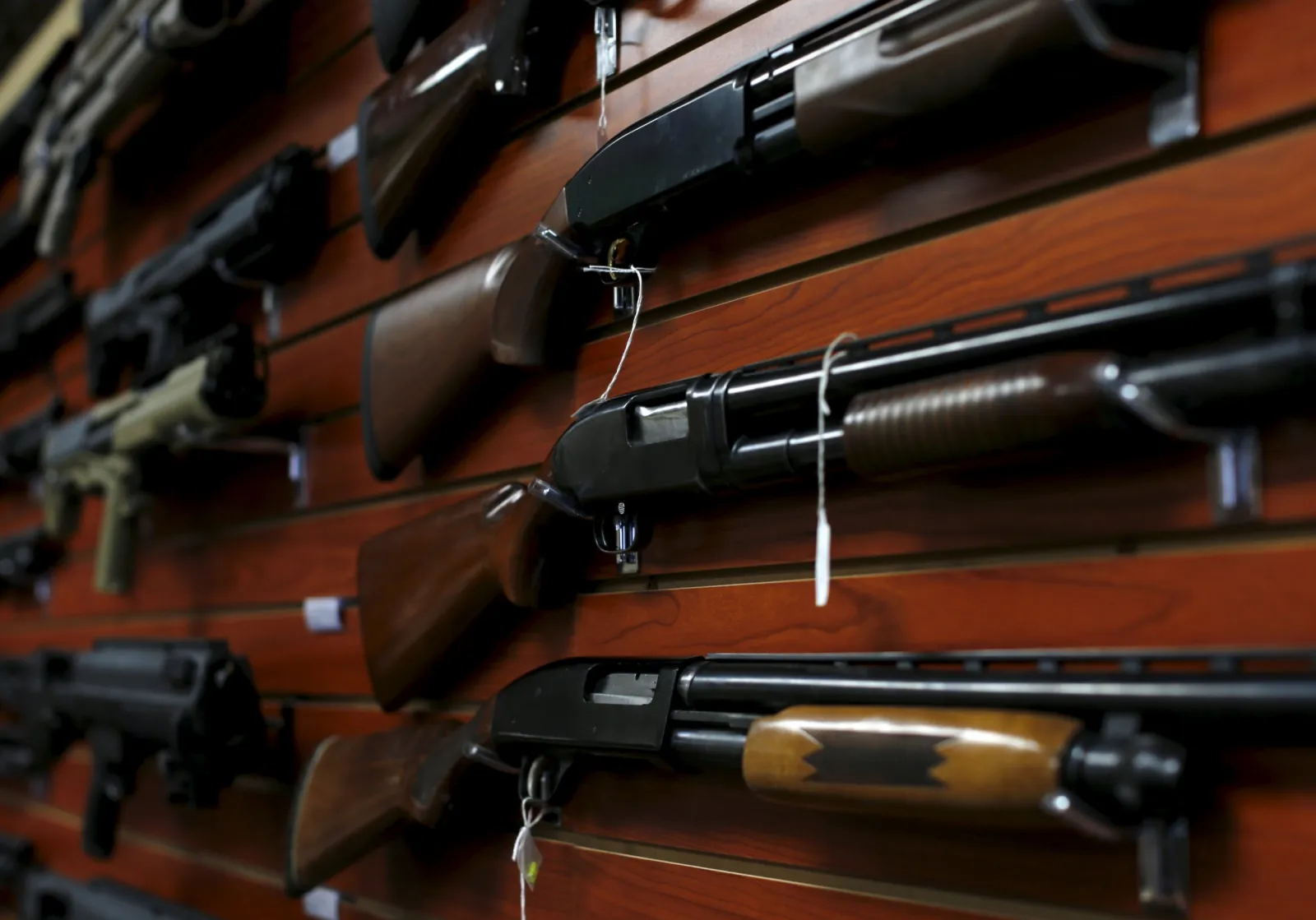
For buyers, this could translate into additional costs, time commitments, and logistical hurdles, including access to certified instructors and available shooting ranges—particularly in densely populated or rural areas where range capacity is already limited.
CBS reported that one new gun owner said the proposal felt like another obstacle layered onto an already complex process. “There’s more fees,” he said. “I feel like they're just making it a little bit more difficult.”
...
Supporters: ‘A Common-Sense Safety Measure’
Supporters argue the bill simply aligns gun ownership with training expectations common in other regulated activities.
Some compare the requirement to getting a drivers license, where practical instruction and testing are mandatory before being able to operate a vehicle. From that perspective, they say, live-fire training is a basic safeguard rather than an undue burden.
Advocates also note that the bill retains existing exemptions for active and retired law enforcement officers and others already exempt under current law, according to legislative summaries.
CBS cited Arreguín as saying that the bill is about making sure people who own a firearm in California are trained to properly use it, adding that “we've seen tragic consequences of people who improperly used firearms or who have not properly stored firearms, kids and other people getting access to those firearms and killing other people."
Critics Warn of Barriers and Legal Risks
Critics say the rule could make it too difficult for people to exercise their legal right to own a gun, according to reporting by CBS, arguing that the added costs, travel and time off work would affect lower-income buyers and those that live far away from a shooting range.
How the Bill Compares to Other States
While California has long imposed background checks, waiting periods and weapon restrictions, it hasn’t required live-fire training for standard firearm purchases.
By contrast, some states with licensing systems—including Maryland and Hawaii—already require more extensive training as part of the purchasing process, a point Arreguín made when defending the bill.
What Comes Next
If the bill passes the Legislature and is signed into law, the DOJ would be tasked with developing regulations, approving curricula, and certifying instructors—a process that could determine how burdensome or accessible the system ultimately becomes.
The Key Takeaways
California’s proposed gun training law represents a notable shift from a written safety test to mandatory real-world instruction, a change supporters say could reduce accidents and improve responsible ownership.
Critics, however, see it as another layer of regulation that risks pricing out or delaying lawful buyers without clear evidence that it will reduce gun violence.
If enacted, Senate Bill 948 would reshape what it means to legally buy a gun in California—adding time, training, and hands-on experience to a process already among the most regulated in the United States.
View 0 Comments
Submit Correction
View Editorial & AI Guidelines