...

By Newsweek Contributors
0
Share
Newsweek is a Trust Project member
See more of our trusted coverage when you search.Prefer Newsweek on Googleto see more of our trusted coverage when you search.
We are the survivors of natural disasters that have devastated our communities: the floods in Texas, tornadoes in Missouri, wildfires in California and hurricanes in North Carolina. Over the past year, we have faced not just nature’s fury, but a federal system that has too often failed us when we needed help the most.
When Kristi Noem became secretary of Homeland Security in January 2025, she gained control of FEMA. In theory, that should have meant faster aid, better coordination and more resources for survivors. In reality, it has meant delays, mismanagement and frustration. FEMA, trapped inside DHS, has become slower, more restrictive and less accountable—an agency that prioritizes bureaucracy over the people it was meant to serve.
Texas Floods
Read More on Opinion
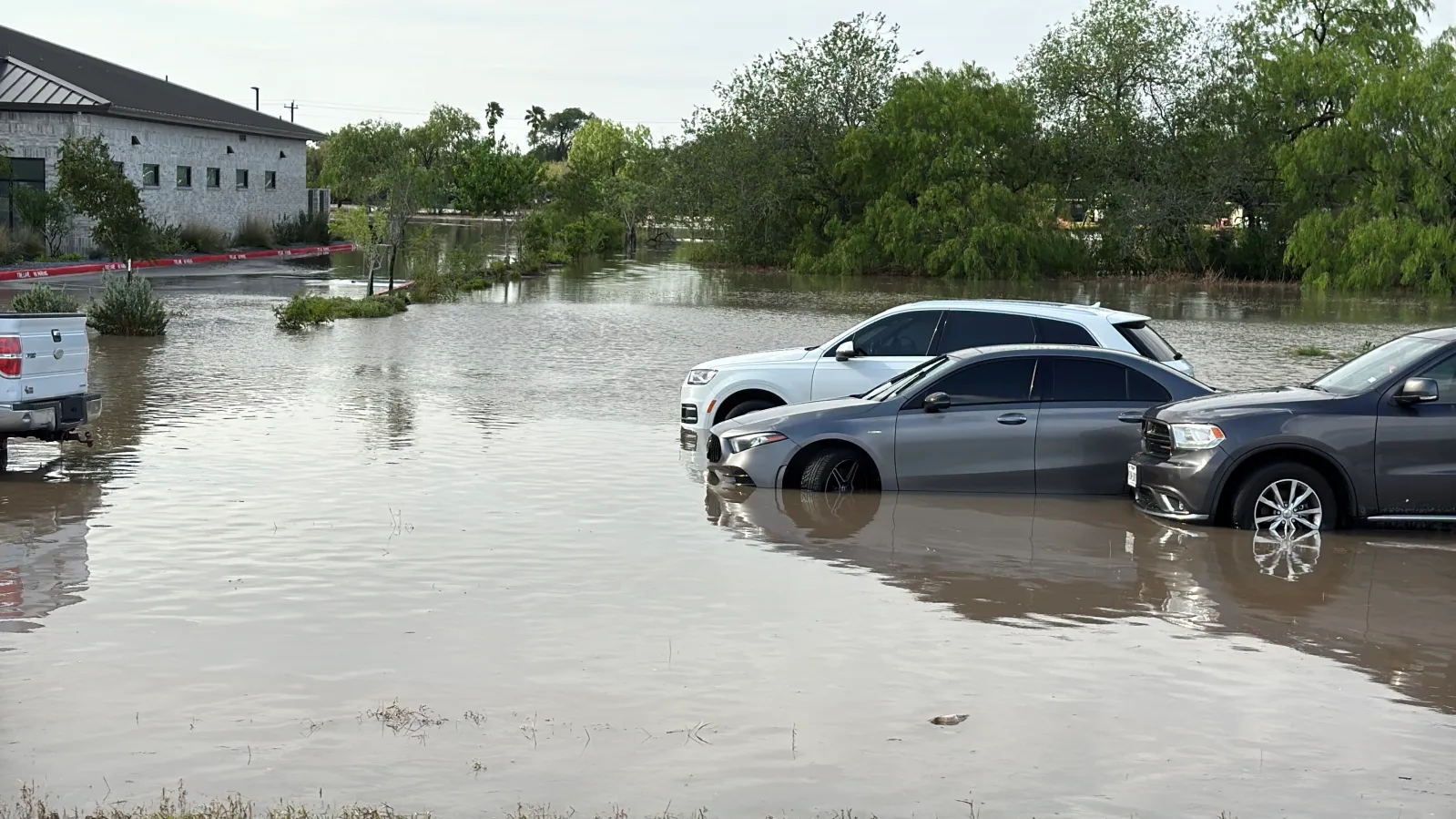
In July 2025, central Texas was hit by devastating floods that claimed 137 lives. We waited for hours, then days, for search-and-rescue teams and basic disaster assistance. Contracts for call centers and critical support were frozen under DHS policies requiring approval from the secretary, leaving nearly 70 percent of disaster assistance calls unanswered. Families were left to search for the dead, help neighbors and rebuild with their own resources. Almost seven months later, many residents of Sandy Creek and Kerrville are in lockjaw—still living in temporary housing, navigating insurance paperwork and waiting for promised recovery funds.
...
St. Louis Tornadoes
When an EF3 tornado tore through St. Louis, FEMA workers were told not to canvass neighborhoods to inform residents about available resources, leaving families without power or phone access on their own. A delayed federal disaster declaration stalled approval for debris removal, costing hundreds of millions, and forced the city to shoulder most of the recovery burden. Nine months later, large sections of St. Louis still looks like a wasteland.
California Wildfires
The Eaton Fire destroyed thousands of homes in January 2025. Cleanup took seven months, and FEMA initially refused to fund soil testing, leaving families to return to homes contaminated with lead and other toxins. Almost a year later, only a handful of homes have been rebuilt, and thousands of survivors remain in limbo, facing the prospect of rebuilding on poisoned land.
Hurricane Helene, North Carolina
In western North Carolina, counties funded immediate debris removal based on FEMA’s promise of reimbursement. Months later, the funds have yet to arrive. Hundreds of hazard mitigation applications remain unapproved. Families continue to pay mortgages on homes they cannot live in, facing financial crises, displacement and the looming threat of bankruptcy.
Across every disaster we have faced, the pattern is the same: delayed aid, bureaucratic hurdles and priorities that do not reflect the urgency of human need. Meanwhile, politically connected projects have been fast-tracked, highlighting that our lives are often treated as secondary.
FEMA has been trapped inside DHS since 2003. That structure has proven disastrous under Secretary Noem’s leadership. Decisions that should be immediate are stalled by political oversight, while others move with remarkable speed when requested by campaign donors. Funds sit idle while families wait. Experienced emergency managers are restricted by bureaucracy, and communities struggle without timely federal support.
We do not just want accountability—we want a system that works. FEMA must be restored as an independent, cabinet-level agency, free to act immediately in crises and directly accountable to the public and local officials. We want an independent FEMA that will deploy resources immediately, without political bottlenecks; let experienced emergency managers lead based on expertise, not politics; and engage with survivors to improve processes and rebuild public trust.
Secretary Noem has had a year to prove that FEMA can respond effectively. Instead, we have seen a year of bureaucratic failure with real human consequences. The failure is not just one leader—it is a system that allows politics to override urgent human needs.
We, the survivors, are calling for change. We need an independent FEMA, streamlined recovery systems and a commitment that aid will reach us when disasters strike—not months or years later. Our lives, our homes and our communities depend on it.
Brandon Lamar is a fourth-generation resident of Altadena, Calif., and president of the NAACP Pasadena.
William B. Gouldis a wildfire survivor from Altadena, and is a leader with LA Voice.
Dr. Michael McLemore is an EF3 tornado survivor from St. Louis, Mo., and a member of Action St. Louis.
Brandy Gerstner is a Sandy Creek flood survivor from Leander, Texas, and a co-founder of the Sandy Creek Alliance.
Heather Laine Talley is a Hurricane Helene survivor from Swannanoa, N.C., and a board member of Swannanoa Communities Together.
The views expressed in this article are the writers’ own.
View 0 Comments
Submit Correction
View Editorial & AI Guidelines