...

By Gabe Whisnant
News Editor
0
Share
Newsweek is a Trust Project member
See more of our trusted coverage when you search.Prefer Newsweek on Googleto see more of our trusted coverage when you search.
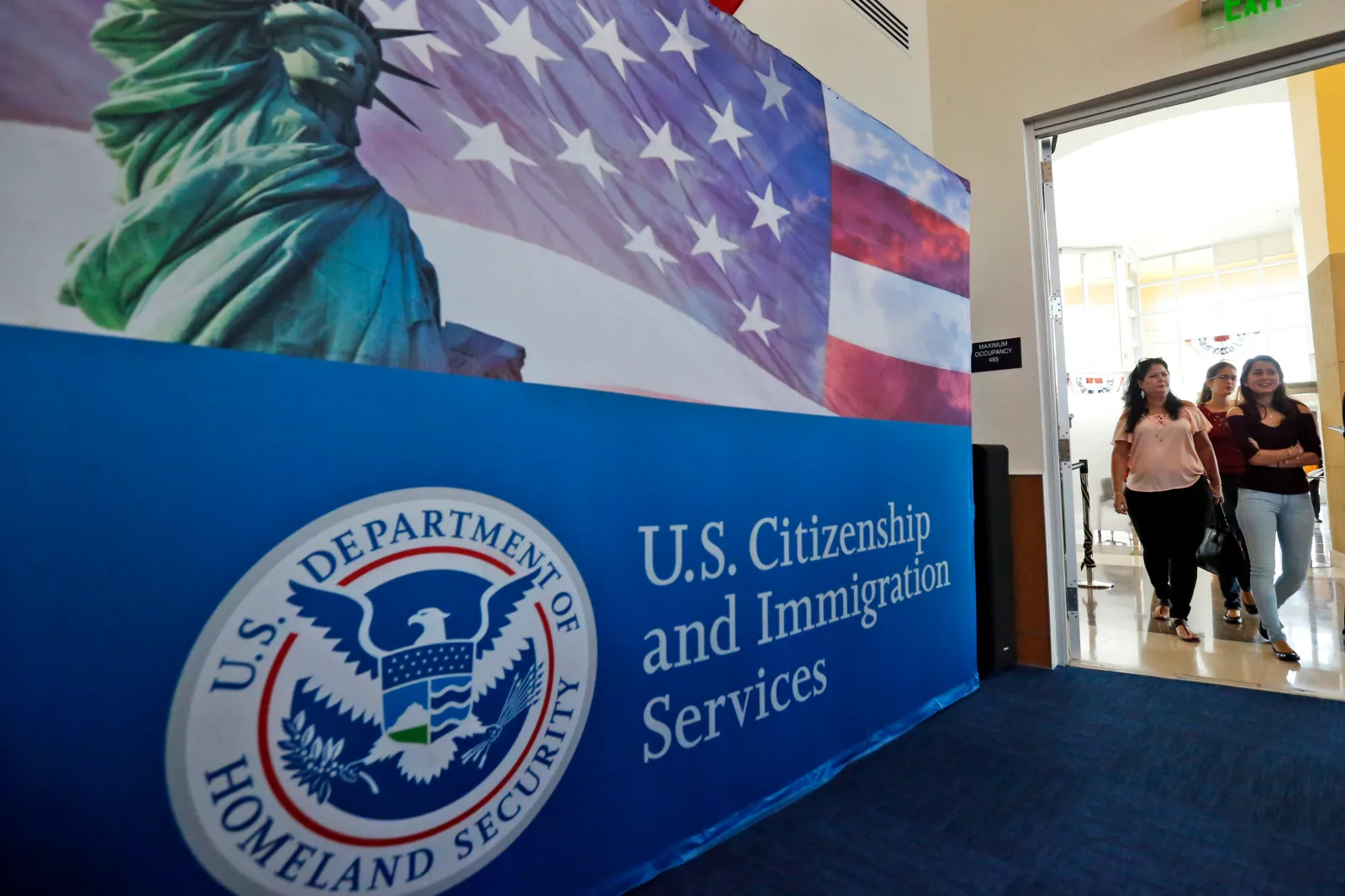
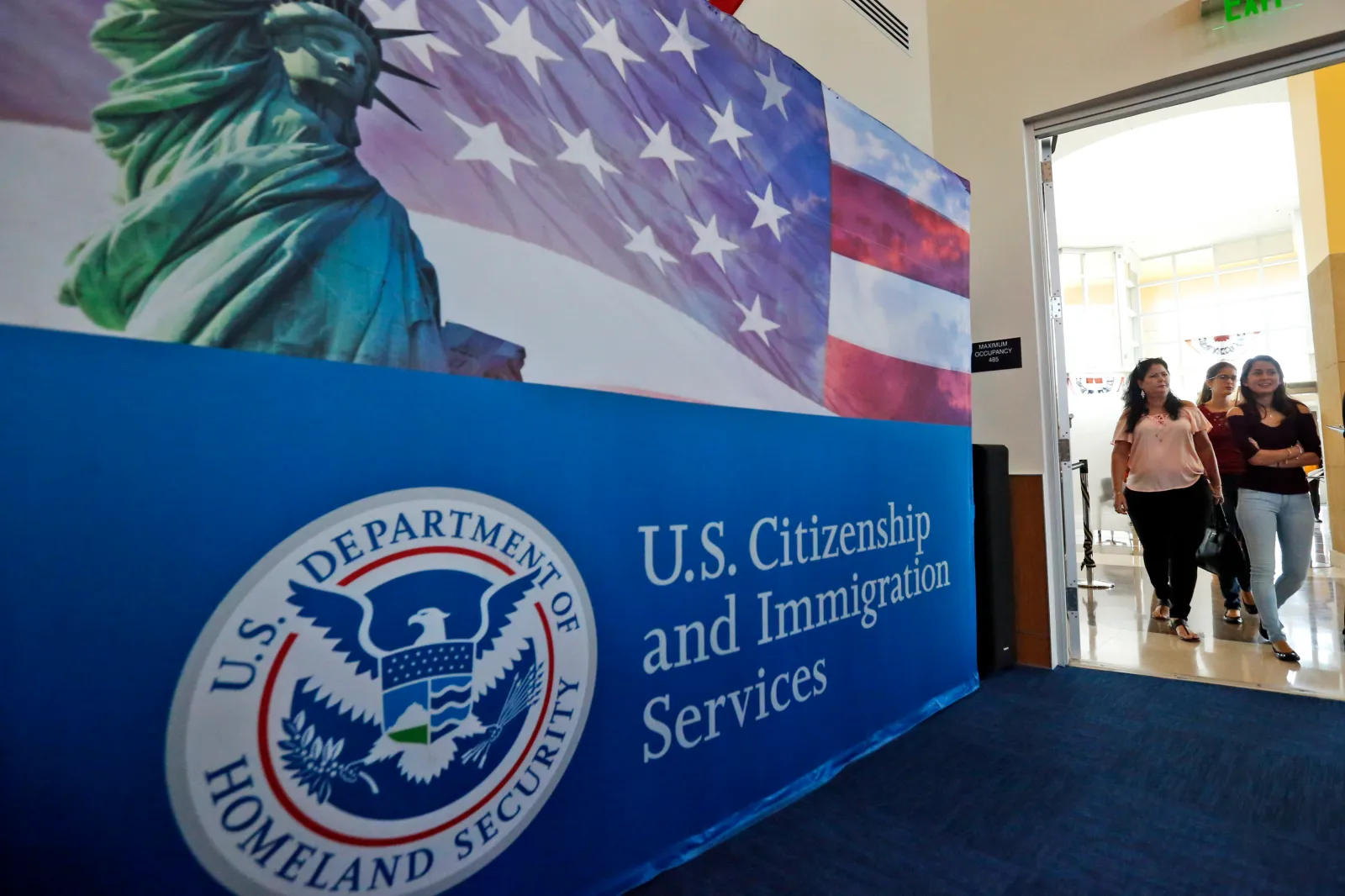
For immigrants waiting in the U.S. green card backlog, the State Department’s monthly visa bulletin determines whether applications can move forward or remain stalled. The April 2026 edition was released as demand continues to outpace the limited number of visas available under federal law.
The bulletin serves as the government’s official guide for immigrant visa availability, setting the timeline for both family‑sponsored and employment‑based applicants. It applies to those seeking permanent residence through U.S. consulates abroad as well as applicants already in the United States adjusting their status.
Each update reflects a balance between congressionally mandated visa caps and shifting demand across countries and visa categories. While some months bring little change, even modest movement can open filing windows for thousands of applicants—or close them just as quickly.
Read More on U.S.
The April bulletin outlines how those pressures are playing out early in the fiscal year, clarifying who may take the next step in the process and who must continue waiting. Below is what applicants should know about the latest update and how it affects green card timelines.
...
What to know about the April Visa Bulletin
The State Department’s April 2026 Visa Bulletin outlines when green card applicants can move forward using two charts: Final Action Dates, which determine when a green card can be approved, and Dates for Filing, which show when applicants may submit paperwork. U.S. Citizenship and Immigration Services has confirmed that employment‑based applicants may use the Dates for Filing chart in April, allowing some cases to proceed even if final approvals remain backlogged.
The bulletin reflects the annual limits set by Congress—226,000 family‑sponsored visas and at least 140,000 employment‑based visas worldwide—along with strict per‑country caps that often create long waits. When demand exceeds supply, cut‑off dates are imposed, and the State Department cautions that forward movement in one month does not guarantee continued progress later in the fiscal year.
Latest news for green card applicants
Below are the visa categories that changed in April compared with March, based on the State Department’s bulletin. All other family‑sponsored and employment‑based categories remained unchanged.
Employment‑Based Visa Changes
EB‑1 (Priority Workers)
- India: Final Action Date advanced by one month to April 1, 2023
- China: Final Action Date advanced by one month to April 1, 2023
- All other countries: Remain current
EB‑2 (Advanced Degrees and Exceptional Ability)
-
India:
- Final Action Date advanced to July 15, 2014
- Date for Filing advanced to January 15, 2015
-
All other countries: Remain current
-
China: No change
EB‑3 (Skilled Workers and Professionals)
-
India:
- Final Action Date unchanged at November 15, 2013
- Date for Filing advanced to January 15, 2015, matching EB‑2
-
All other countries:
- Date for Filing is current, allowing new applications
-
China: No change
-
Philippines: No change
EB‑4 (Special Immigrants)
- Advanced by approximately one year across multiple chargeability areas
Family‑Sponsored Visa Changes
F2A (Spouses and Children of Permanent Residents)
- Worldwide: Became current for filing, allowing new applications to be submitted
All other family‑sponsored preference categories
- No change in either Final Action Dates or Dates for Filing
May 2026 Visa Bulletin predictions
The State Department has not yet released the May 2026 Visa Bulletin, but immigration attorneys and analysts say applicants should expect cautious movement following the gains seen in April. Historically, the government slows or stabilizes priority‑date advances mid‑spring as it assesses visa demand for the remainder of the fiscal year, raising the possibility that some categories could hold steady or see limited forward movement.
Officials have repeatedly warned that advances in one month do not guarantee continued progress, and retrogression remains possible later in the year if demand outpaces available visa numbers.
What to know about the March Visa Bulletin
The March 2026 Visa Bulletin set the baseline for April’s changes and determined eligibility during the prior month. U.S. Citizenship and Immigration Services designated which chart applicants were required to use in March, a decision that can vary depending on overall visa demand and availability.
Applicants who did not file in March despite being eligible must recheck their priority dates under the April bulletin, as changes to cut‑off dates can open or close filing windows from one month to the next.
How long does a green card last?
A standard permanent resident card, commonly known as a green card, is valid for 10 years and must be renewed before expiration. Conditional green cards, typically issued to certain spouses of U.S. citizens and investors, are valid for two years and require a separate petition to remove conditions.
While the card itself expires, permanent resident status does not automatically end when a green card expires. However, maintaining a valid card is necessary for employment verification, international travel and proof of lawful permanent residence.
Updates: 3/17/26, 7:18 p.m. ET: This article was updated with new information.
View 0 Comments
Submit Correction
View Editorial & AI Guidelines