...

By Jordan King
Reporter
0
Share
Newsweek is a Trust Project member
See more of our trusted coverage when you search.Prefer Newsweek on Googleto see more of our trusted coverage when you search.
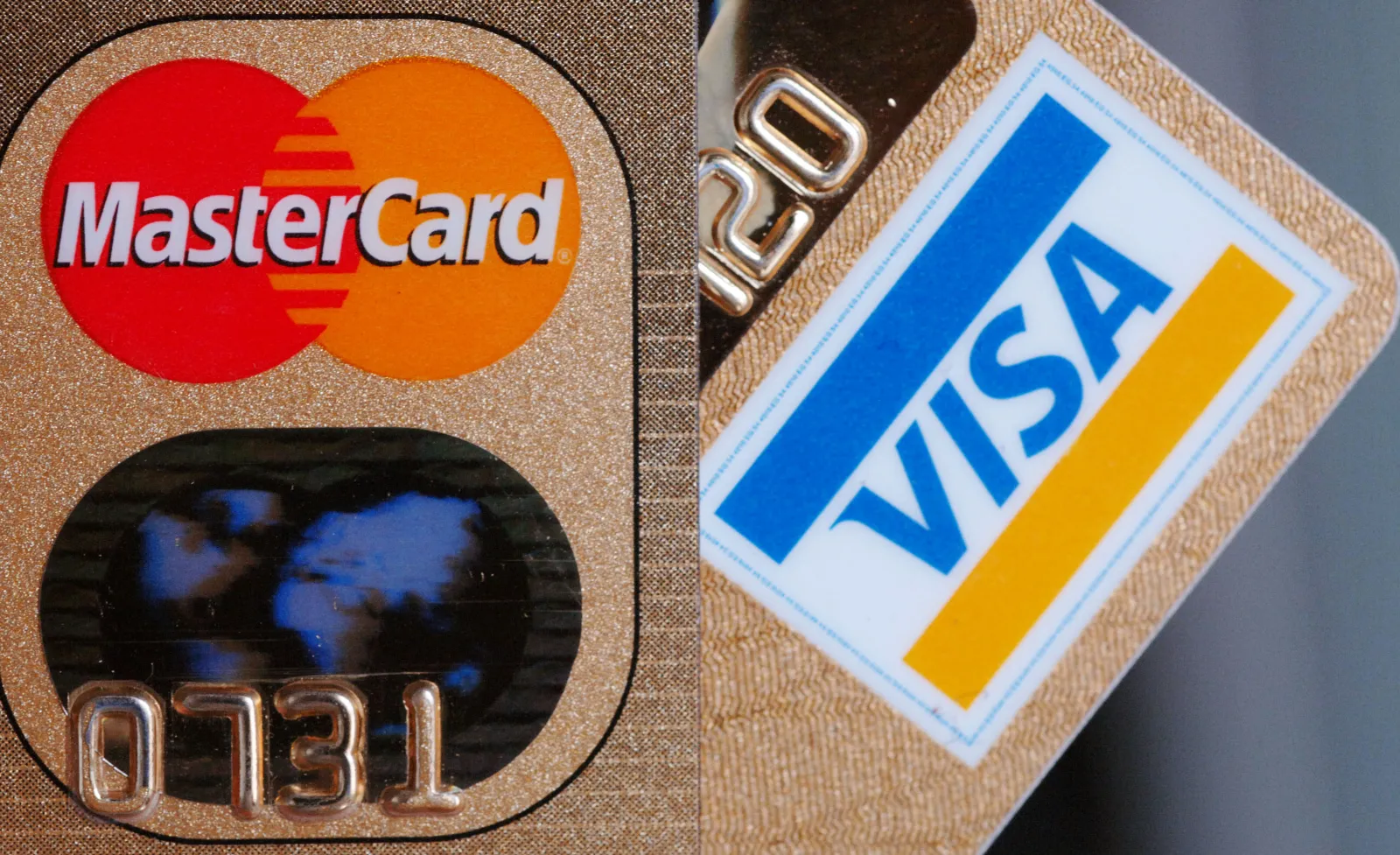
Visa and Mastercard could lower some of the fees they charge retailers in the U.S. as part of a possible $38 billion settlement—here is what it could mean for you.
The companies announced the settlement on Monday, after 20 years of litigation over Visa, Mastercard and banks allegedly conspiring to violate U.S. antitrust laws, according to Reuters.
Visa and Mastercard have not admitted to wrongdoing in agreeing to settle.
Read More on News
Why It Matters
The agreement, pending court approval, ends two decades of litigation involving antitrust allegations over how these fees are set.
Swipe fees are a key cost driver for both businesses and consumers, influencing product pricing and the availability of credit card rewards.
The debate highlights broader issues over consumer costs, competition in the financial sector, and the future of credit card processing in the United States.
What To Know
Monday’s settlement would call for the following:
- Visa and Mastercard would lower swipe fees, also called interchange fees, by 0.1 percentage point for five years—they averaged 2.35 percent last year, according to Reuters.
- Standard consumer rates would be reduced by more than 25 percent and capped at 1.25 percent for eight years.
- Merchants would be able to decide which U.S. cards should be accepted in certain categories (this includes commercial cards, premium consumer cards and some rewards cards).
- Merchants would be given more power to impose surcharges when people pay by card
The settlement, if approved, would follow previous failed attempts, including a $30 billion plan rejected in 2024 for offering inadequate relief and maintaining restrictive "Honor All Cards" rules.
The new proposal claims to increase flexibility for merchants and save them an estimated $200 billion over its duration.
What this could mean for you:
If you are a merchant of any kind, this deal would provide more flexibility for you and save you (all together) an estimated $224 billion, according to expert analysis included in the court filing reported by Reuters.
If you use your credit card for purchases, you could be subjected to new surcharges, depending on how merchants decide to use this new agency. They can also decide whether to accept your specific type of card.
The National Retail Federation, one of several merchant groups who have opposed the settlement, commented on this.
General counsel Stephanie Martz said: "You can't just suddenly tell more than 80 percent of your card customers you're not going to take their cards. You would lose a lot of business."
Lower swipe fees for merchants could mean fewer rewards for you, because "rewards are financed by interchange fees," Joanna Stavins, principal economist and policy adviser at the Federal Reserve Bank of Boston previously told CNN.
"If you were to lower interchange fees, you probably have to also lower rewards," she added.
...
What People Are Saying
A Visa spokesperson told Newsweek: "After more than 20 years of litigation, Visa and Mastercard have reached a proposed settlement with U.S. merchants of all sizes that would provide meaningful relief, more flexibility and options to control how they accept payments from their customers."
A Mastercard spokesperson told Newsweek: "We believe that this is the best resolution for all parties, delivering the clarity, flexibility and consumer protections that were sought in this effort. Smaller merchants will gain in this settlement—more acceptance choices, reduced costs and simplified rules. Even more, it allows us to focus our energies on continuing to give consumers, small businesses and larger merchants what they expect from Mastercard—a better payments experience, strong value and peace of mind."
Doug Kantor, general counsel of the National Association of Convenience Stores, which is also critical of the deal, argued that settlement does not incentivize banks to lower rates they charge, but, instead, allows Visa and Mastercard to raise their own "without any limitation."
"Merchants ought to be able to negotiate and get prices set with different banks, but this settlement prohibits that," he said.
What Happens Next
The proposed settlement awaits approval from a U.S. District Court. The outcome could affect both retail pricing and credit card rewards programs for years.
The full consumer impact depends on how retailers respond to the added flexibility on card acceptance and whether fee reductions translate into lower prices or simply plateau amid new surcharges and continued upward pressure on overall interchange rates.
Update 11/13/25 7:55 a.m. ET: This story has been updated with comment from Visa and Mastercard.
View 0 Comments
Submit Correction
View Editorial & AI Guidelines