...

By Mike Conaway and Loretta Sanchez
0
Share
Newsweek is a Trust Project member
See more of our trusted coverage when you search.Prefer Newsweek on Googleto see more of our trusted coverage when you search.
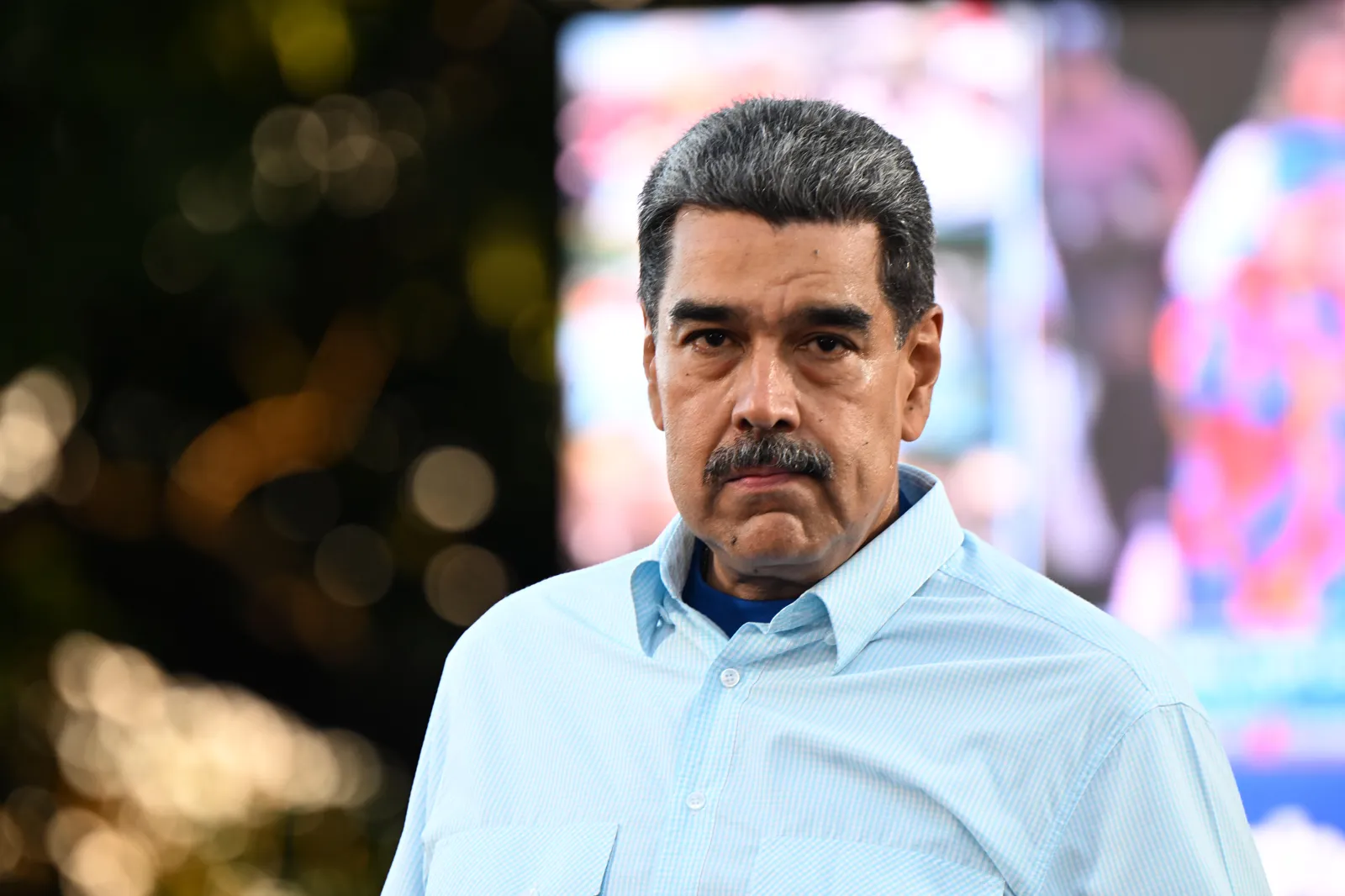
Regardless of one’s opinions on the Trump administration’s recent capture of Nicolás Maduro (the Democratic co-author of this column disapproves of it), both parties should be in agreement that foreign governments should not treat American property rights and their financial obligations to U.S. companies as optional.
While the Trump administration gave an array of reasons for capturing Maduro, from narco-terrorism to aiding and abetting China, his years of asset expropriation and unpaid obligations to American interests was also a major contributing factor.
The truth is that widespread expropriation of American assets and chronic nonpayment of obligations to U.S. companies operating abroad pose a growing threat to national security. It erodes confidence in international investment, discourages U.S. companies from operating in strategic markets, and ultimately cedes economic and geopolitical influence to adversaries like China and Russia. In an era of intensifying great-power competition and tightening defense budgets that already force difficult tradeoffs in modernization, readiness, and force posture, the U.S. cannot afford to signal weakness in defending the property rights and commercial interests of its citizens and companies overseas.
Read More on Opinion
Congress has an important role to play here.
...
The House Appropriations Committee understands as much. That is why, in the report for its FY2026 National Security, Department of State, and Related Programs Appropriations Act, it put on record its growing unease about unresolved debts owed to U.S. interests.
In that report, lawmakers flagged other countries beyond Venezuela, including the Democratic Republic of Congo, Djibouti, Honduras, Kuwait, and Mexico as examples of countries where this is of particular concern. Whether it’s the unpaid debts relating to the Al Zour oil refinery in Kuwait or the “expropriation of private assets” of U.S. nationals that Congress cited regarding Honduras, the problem is without question a growing one. The report calls on Secretary of State Marco Rubio to “utilize the various tools of diplomatic engagement to facilitate the timely resolution of such disputes,” and it’s time for the full Congress to pass its accompanying Appropriations Act.
Currently, there is no consistent U.S. framework for addressing sovereign and quasi-sovereign debts owed to American interests.
Congress and the State Department must begin to close this gap by issuing clearer guidelines to U.S. embassies to prioritize debt repayment as a key part of their engagement with host governments. While they are proactive in facilitating trade, investment, and regulatory cooperation, they must also be charged with tracking debt, engaging host governments on repayment, and pushing repayment through diplomatic channels when necessary.
Congress should also build on the signals it has sent through the State Department appropriations process by strengthening oversight mechanisms to ensure unpaid foreign debts are systematically tracked, reported, and addressed. Regular reporting to Congress on unresolved obligations would improve transparency and give lawmakers better tools to align foreign assistance and engagement with accountability.
Finally, Congress and the State Department should ensure that future U.S. economic cooperation with other nations accounts for a partner country’s repayment record. Countries that keep their word must be encouraged and rewarded with even further cooperation, and being late or not paid at all must entail some sort of repercussions. What those consequences look like should be determined on a case-by-case basis, depending on the country involved and the surrounding circumstances. But the problem has gone on too long to ignore.
Democrats and Republicans may disagree on many aspects of foreign policy, but this issue should not be one of them. Ensuring that foreign partners pay what they owe is far from a partisan issue. It is one of the clearest ways to protect American workers, taxpayers, and strategic interests.
Mike Conaway is an Army veteran and former Republican member of Congress from Texas who served on the Committee on Armed Services. Loretta Sánchez is a former Democratic member of Congress from California who served on the Committee on Armed Services.
The views expressed in this article are the writers' own.
View 0 Comments
Submit Correction
View Editorial & AI Guidelines