...

By Suzanne Blake
Reporter
0
Share
Newsweek is a Trust Project member
See more of our trusted coverage when you search.Prefer Newsweek on Googleto see more of our trusted coverage when you search.
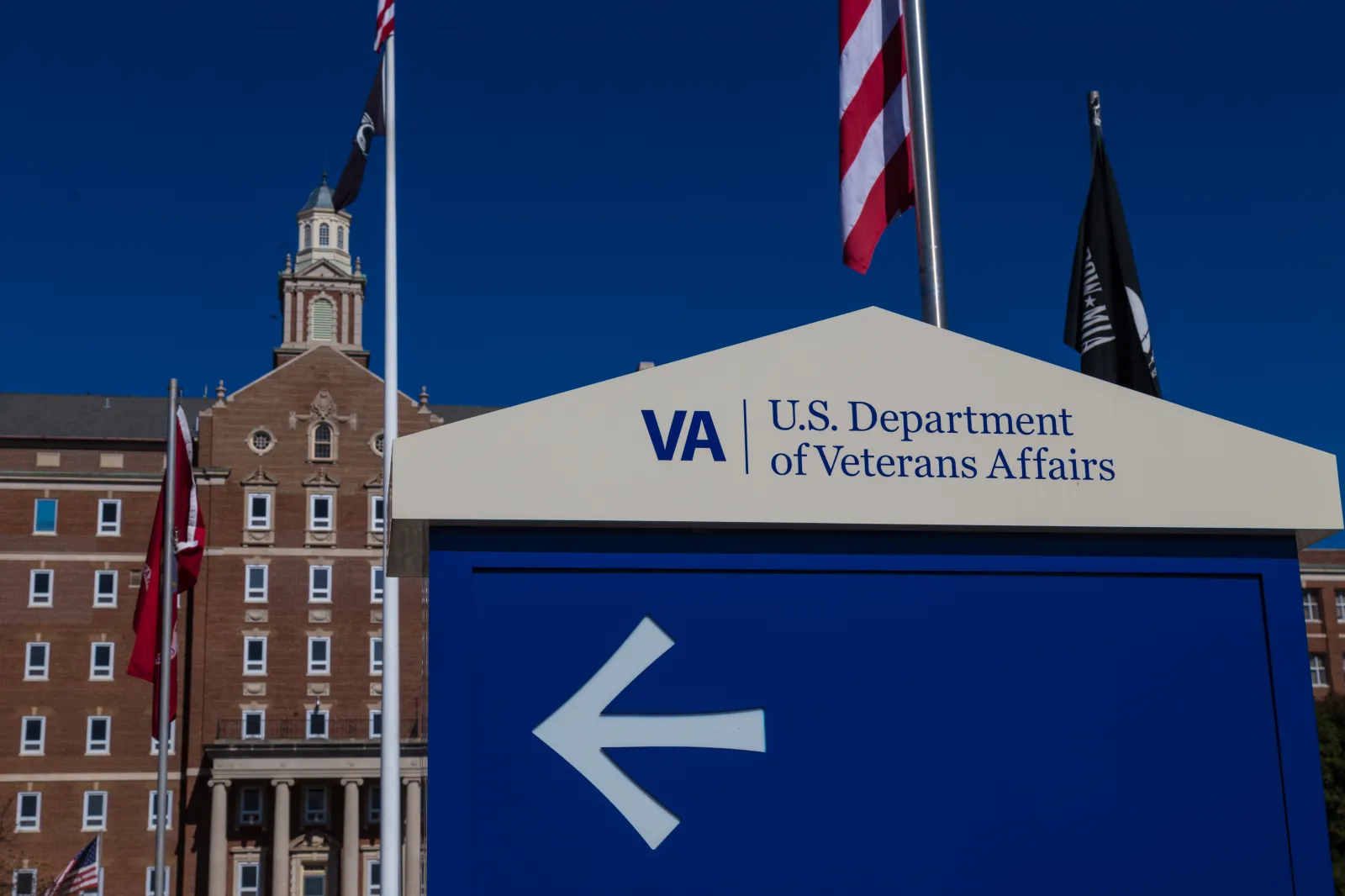
The Department of Veterans Affairs (VA) announced major gains this week in the processing of disability claims and survivor benefits, marking what the agency called a new milestone in how quickly and accurately benefits are being delivered to veterans and their families.
In 2026, the VA completed 1 million disability claims more quickly than in any other fiscal year, reaching that milestone on February 2, the agency reports.
According to the VA, recent improvements have sharply reduced wait times, cut backlogs and increased accuracy across disability compensation and pension programs.
Read More on Politics
”Under the leadership of President Trump, VA is focused on delivering Veterans, families, caregivers and survivors all of the benefits they’ve earned as quickly as possible,” VA Secretary Doug Collins said in a statement. “These tremendous improvements underscore that commitment.”
Why It Matters
Millions of veterans and survivors rely on VA benefits as a primary source of financial support, often while managing disabilities, various other health challenges or the loss of a loved one. Long delays in processing claims have historically left many waiting months or longer for decisions.
...
Processing Time Improvements for Veterans: What to Know
VA officials said the department is processing claims at the fastest pace in its history while maintaining high accuracy rates, allowing more veterans and survivors to receive benefits sooner.
The VA reported that it has made significant progress in speeding up disability claims, with the average time to complete a claim dropping from 141.5 days to 80.7 days, a 43 percent reduction.
The agency also said claims-processing accuracy reached 94.02 percent, the highest 12‑month precision rate in the last two years.
The department processed more than 3 million claims in fiscal year 2025 and is on pace for similar volume in fiscal year 2026, having already processed over 1.5 million halfway through the fiscal year, according to the VA.
How Veterans Are Impacted
For veterans, shorter processing times can mean quicker access to monthly compensation tied to service‑connected disabilities. Faster decisions can also help veterans qualify sooner for related benefits, including health care and housing assistance.
VA officials added that speed improvements have not come at the expense of accuracy, which is a key concern for veterans worried about errors or denied claims requiring lengthy appeals.
“By both improving the timeframe for assistance and the accuracy of support, the VA is tackling two issues veterans have found frustrating for years,” Alex Beene, financial literacy instructor for the University of Tennessee at Martin, told Newsweek.
“It’s important to note Appeals from veterans are generally not reported in the same categories as these metrics, and it will be interesting to see if similar improvements are found with that area.”
What Recent Changes Have Been Made at the VA?
The VA said it accomplished its improvements via “focused leadership, hard work and targeted use of overtime,” during the second Trump administration.
The agency brought tens of thousands of VA employees back to in‑office work in an effort to improve coordination and productivity last year. The agency has also increasingly focused on integrated electronic health record systems during the second term.
As a result, the VA said, its backlog of veterans waiting for benefits fell to less than 100,000 claims in February, the first time it has dropped below that level since 2020.
The department also reports that average processing time for initial veterans pension claims dropped from 170 days to 57 days, a 66 percent reduction, and that average processing for initial survivors pension claims fell from 172 days to 73 days, a decrease of more than 55 percent.
The VA faced criticism earlier this year from housing and civil rights advocates following the announcement of a new partnership with the Department of Justice. The partnership expanded the federal government’s role in appointing legal guardians for some of the nation’s most vulnerable veterans, including those who are homeless or at risk of homelessness.
“Our new partnership with the Justice Department reflects our ongoing commitment to ensuring that every Veteran receives timely, appropriate care, even in complex cases,” Collins said in a previous statement.
The National Homelessness Law Center, however, said in a statement on Wednesday that the plan would “strip homeless veterans of their rights and autonomy.”
The new partnership stipulated that VA attorneys could be appointed as special assistant U.S. attorneys, granting them authority to initiate or participate in state court guardianship or conservatorship proceedings when veterans are deemed unable to make their own medical decisions and lack family or legal representation.
The most recent count from the Department of Housing and Urban Development estimated that 32,882 veterans were experiencing homelessness on a single night, in January 2024.
What Happens Next
The VA said it plans to continue focusing on efficiency and staffing to maintain progress while handling its high claim volumes.
View 0 Comments
Submit Correction
View Editorial & AI Guidelines