...

By Anna Skinner
Associate News Editor
0
Share
Newsweek is a Trust Project member
See more of our trusted coverage when you search.Prefer Newsweek on Googleto see more of our trusted coverage when you search.
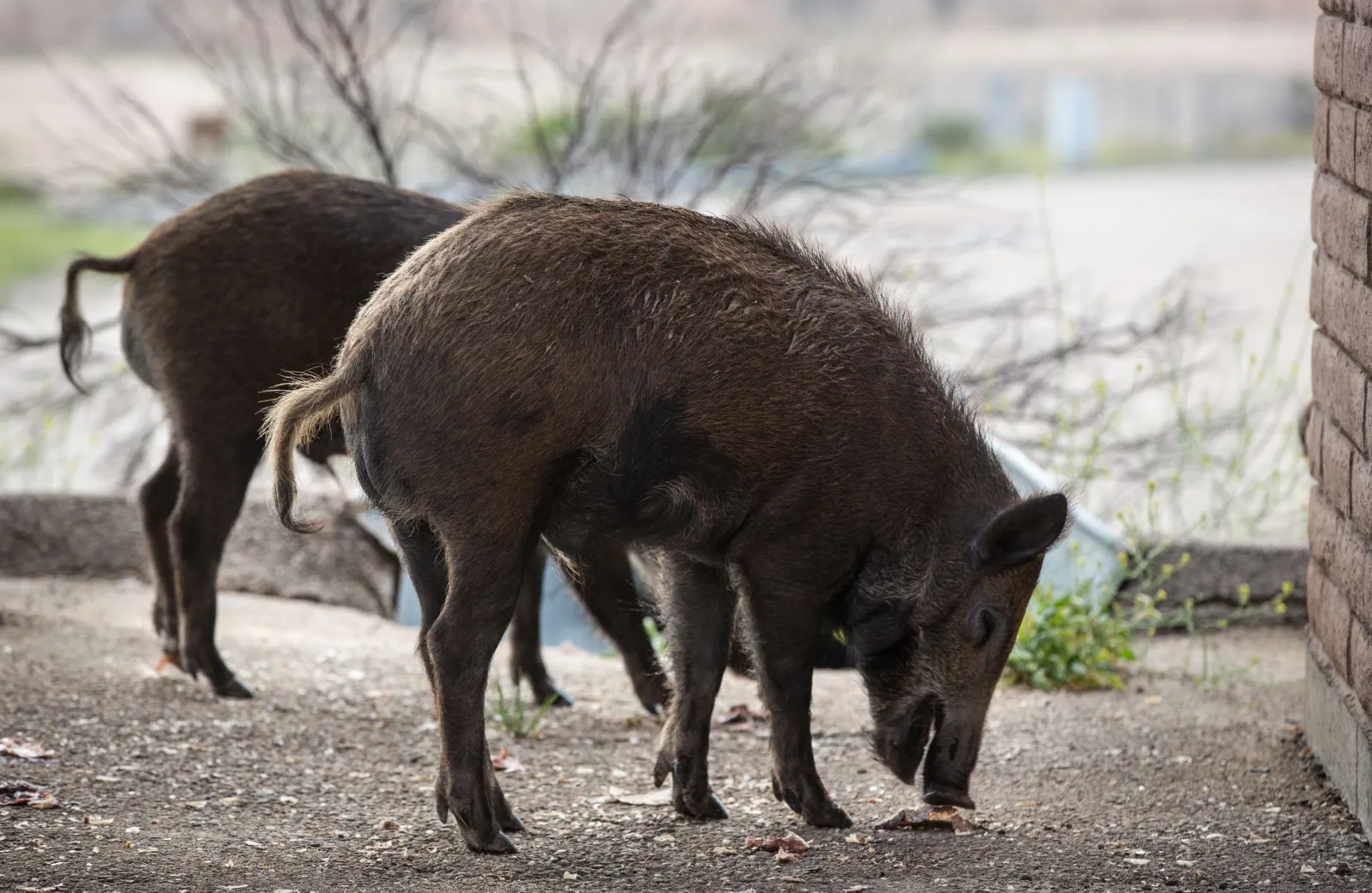
A routine warning from the U.S. Department of Agriculture about reporting sick or dead feral swine sparked an unexpected wave of humor online this week, as social media users seized on the word “pigs” to make political jokes across the spectrum.
Users interpreted “pigs” through their own partisan lenses—some likened the warning to President Donald Trump, others to liberals, and still others to federal immigration officers—flooding the post with tongue‑in‑cheek replies. While the agency’s message centered on preventing the spread of dangerous livestock diseases, the response underscored how even straightforward public‑safety notices can become fodder for political humor in a hyper-online environment.
A USDA spokesperson told Newsweek the department has not yet received any reports of sick or dead feral pigs.
Read More on News
"U.S. pigs are vulnerable to deadly diseases that can spread fast. Hunters, you can help! Report any sick or dead feral swine you see out there," USDA Animal and Plant Health Inspection Service said in the ad, which was posted on X earlier this month.
The ad has been viewed nearly 3 million times.
"i only saw the protect our pigs logo at first because i scroll past every ad and i thought this was about the blue lives matter movement," one user posted.
...
"Found one," another user said, including an image of Trump wearing a Make America Great Again hat.
"ICE too or just regular cops?" another user asked.
"MAGA women?!?" one person said.
"There is a whole passel of liberal swine in DC...lets start with those," another said.
In reality, the USDA’s warning was rooted in longstanding concerns about feral swine spreading highly contagious livestock diseases such as African swine fever and classical swine fever, which can devastate domestic hog populations and trigger major economic fallout for farmers.
Feral pigs can travel long distances, contaminate soil and water, and infect commercial herds through direct contact or shared environments, making early reporting of sick or dead animals critical for containment. The agency’s message was aimed at hunters—often the first to encounter infected wildlife—not at any political figure or group, underscoring the genuine agricultural and biosecurity risks behind the unexpectedly viral post.
Feral pigs are widespread across much of the United States, though their range has shifted in recent years as eradication programs expand.
Feral swine have been reported in at least 35 states nationwide, according to the National Invasive Species Information Center.
"Their population is estimated at over 6 million and is rapidly expanding," the center said in a webpage about the animal. "Range expansion over the last few decades is due to a variety of factors including their adaptability to a variety of climates and conditions, translocation by humans, and a lack of natural predators."
Update 3/27/2026, 1:54 p.m. ET: This article was updated to include comment from the USDA.
In a polarized era, the center is dismissed as bland. At Newsweek, ours is different: The Courageous Center—it's not "both sides," it's sharp, challenging and alive with ideas. We follow facts, not factions. If that sounds like the kind of journalism you want to see thrive, we need you.
When you become a Newsweek Member, you support a mission to keep the center strong and vibrant. Members enjoy: Ad-free browsing, exclusive content and editor conversations. Help keep the center courageous. Join today.


View 0 Comments
Submit Correction
View Editorial & AI Guidelines