...

By Gabe Whisnant
News Editor
0
Share
Newsweek is a Trust Project member
See more of our trusted coverage when you search.Prefer Newsweek on Googleto see more of our trusted coverage when you search.
The U.S. military said Friday it launched a lethal strike against a vessel suspected of drug trafficking in the eastern Pacific Ocean, the first such attack since a raid earlier this month that led to the capture of Venezuelan President Nicolás Maduro.
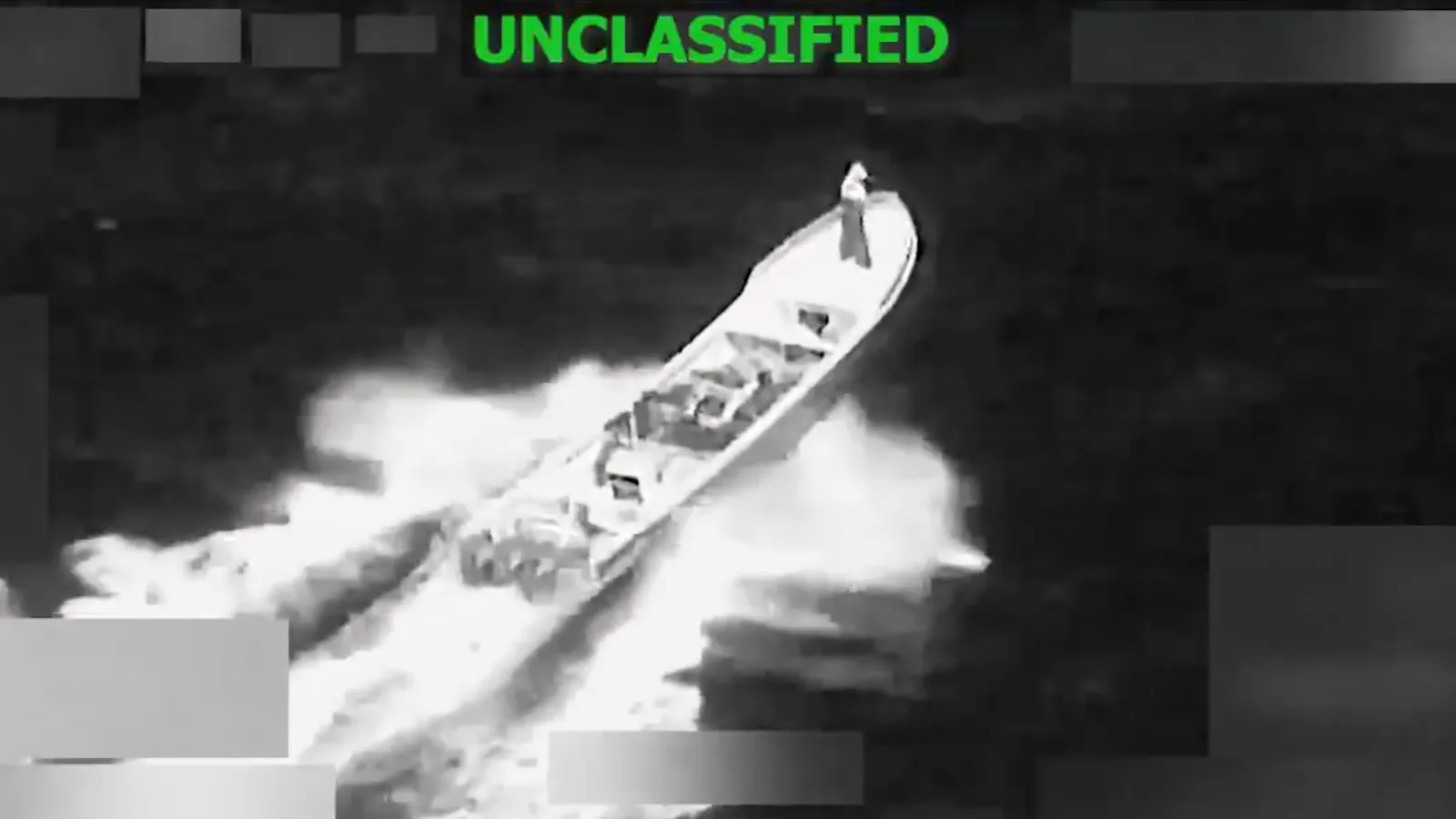
U.S. Southern Command said the boat was operating along known narco-trafficking routes and was actively involved in drug smuggling when it was targeted. Two people were killed in the strike and one survived, according to the command, which said it alerted the U.S. Coast Guard to begin search and rescue operations. Video released by the military showed the vessel traveling through the water before exploding in flames.
Read More on World
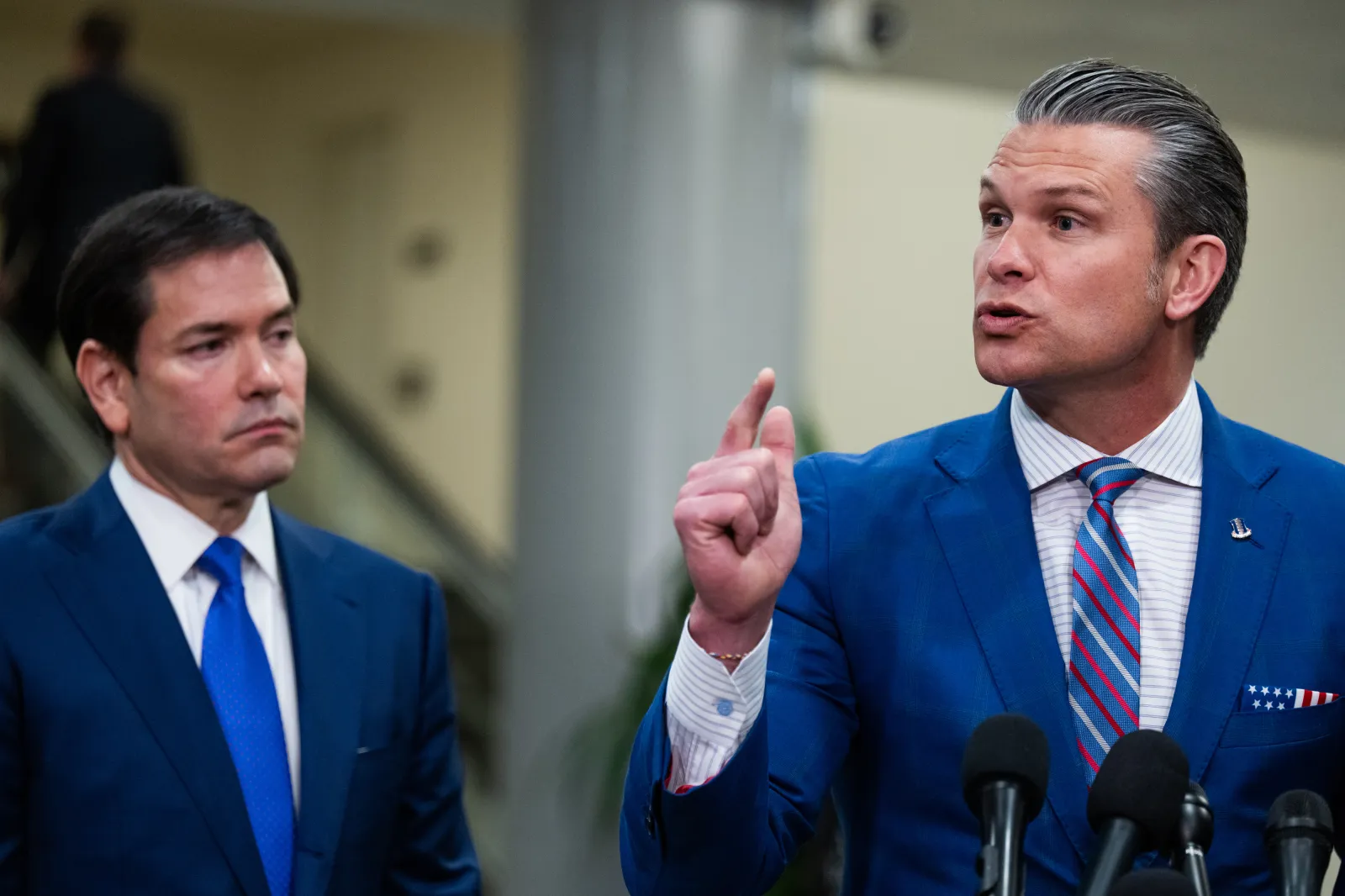
Southern Command posted on X, "On Jan. 23, at the direction of @SecWar Pete Hegseth, Joint Task Force Southern Spear conducted a lethal kinetic strike on a vessel operated by Designated Terrorist Organizations. Intelligence confirmed the vessel was transiting along known narco-trafficking routes in the Eastern Pacific and was engaged in narco-trafficking operations. Two narco-terrorists were killed and one survived the strike. Following the engagement, USSOUTHCOM immediately notified @USCG to activate the Search and Rescue system for the survivor."
The strike follows recent U.S. military actions in the region, including late-December operations in which five suspected drug-smuggling boats were hit over two days, killing eight people while others jumped overboard. The Coast Guard later suspended its search for survivors. The most recent boat strikes occurred in late December.
...
US Boat Strikes in Caribbean, Pacific: What to Know
With the latest operation, there have been at least 36 known U.S. strikes against suspected drug-smuggling boats in South American waters since early September, killing at least 117 people, according to statements from the U.S. military and President Donald Trump. Most of the strikes have occurred in the Caribbean Sea.
Trump has repeatedly said the controversial U.S. strikes targeting suspected smugglers are having a significant impact on slowing drug trafficking routes in the Caribbean and eastern Pacific.
“We’ve stopped — virtually stopped almost 100% of all drugs coming in by water,” Trump said in remarks on Wednesday at the World Economic Forum at Davos.
The U.S. military’s use of lethal force against suspected drug-smuggling vessels has drawn criticism from human rights advocates and some lawmakers, who question the legal authority and humanitarian impact of the strikes. Opponents argue the operations blur the line between military action and law enforcement, particularly in international waters, and raise concerns about due process for those targeted.
The controversy intensified over reports that two men were killed in September 2025 in a so-called "double-tap" strike, in which a second strike follows an initial attack to ensure a vessel is disabled. Critics say such follow-up strikes risk killing survivors or people attempting to flee or render aid, a practice long condemned by human rights groups in other conflict zones. U.S. officials have defended the operations as necessary to disrupt transnational criminal networks, saying intelligence shows the vessels are actively engaged in narco-trafficking and linked to designated terrorist organizations, and that search-and-rescue efforts are coordinated with the Coast Guard when possible.
...
Oil tankers have been in US crosshairs
Since the Trump administration captured Maduro, the U.S. military has shifted its focus toward seizing sanctioned oil tankers linked to Venezuela. The enforcement actions formed part of a broader White House push to influence Venezuela’s oil exports, with the administration coupling maritime seizures with proposals to leverage Venezuelan barrels in U.S. energy planning.
Acting President Delcy Rodríguez and Venezuelan officials are now under pressure from the administration to open the country’s oil sector to greater investment by U.S. energy companies.
Venezuela’s legislature on Thursday advanced a bill that would loosen state control over the country’s vast oil sector, marking the first major overhaul since late socialist leader Hugo Chávez nationalized parts of the industry in 2007.
The measure would roll back decades of state dominance over some of the world’s largest oil reserves, open the door to increased private investment and establish international arbitration mechanisms to resolve disputes involving foreign companies.
Updates: 1/23/26, 6:43 p.m. ET: This article was updated with new information and remarks.
This article includes reporting by the Associated Press.
In a polarized era, the center is dismissed as bland. At Newsweek, ours is different: The Courageous Center—it's not "both sides," it's sharp, challenging and alive with ideas. We follow facts, not factions. If that sounds like the kind of journalism you want to see thrive, we need you.
When you become a Newsweek Member, you support a mission to keep the center strong and vibrant. Members enjoy: Ad-free browsing, exclusive content and editor conversations. Help keep the center courageous. Join today.


View 0 Comments
Submit Correction
View Editorial & AI Guidelines