...

By Hugh Cameron
Reporter
0
Share
Newsweek is a Trust Project member
See more of our trusted coverage when you search.Prefer Newsweek on Googleto see more of our trusted coverage when you search.
The U.S. has celebrated escaping a new global directive designed to prevent large corporations from shifting their profits to low-tax havens, hailing this as a "historic victory" for American sovereignty in the face of "extraterritorial overreach."
On Monday, the Organisation for Economic Cooperation (OECD), announced that it had finalized the plan on "global minimum tax arrangements" with 147 nations, dubbing this "a significant political and technical agreement which will set the foundation for stability and certainty in the international tax system."
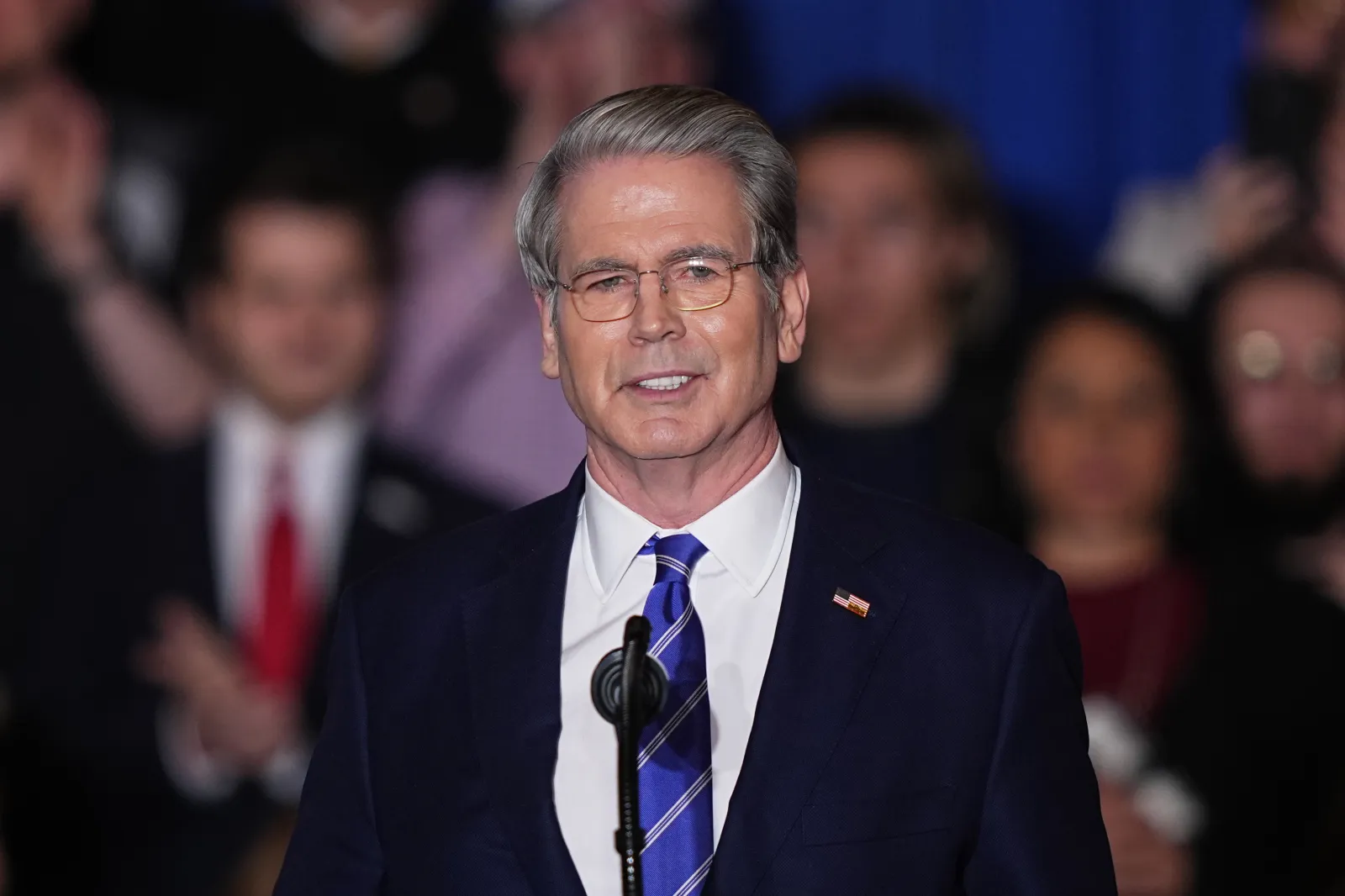
However, the amended version of the plan exempts U.S.-based multinationals from the 15 percent minimum global corporate tax, which Treasury Secretary Scott Bessent described as "a historic victory in preserving U.S. sovereignty and protecting American workers and businesses from extraterritorial overreach."
Read More on World
Newsweek has contacted the OECD via email for comment.
Why It Matters
The two-pillar agreement is designed to discourage tax avoidance and curb a race to the bottom in global corporate taxation. However, the finalized version has already faced significant criticism relating to the U.S. exemption, with some groups warning that this will undercut its effectiveness by allowing American companies to continue doing business abroad while being taxed more favorably in other jurisdictions.
What To Know
The deal agreed on Monday follows an earlier agreement in 2021, supported by then-President Joe Biden and his Treasury Secretary Janet Yellen. Over 130 nations signed onto this version of the deal, which would tax large multinational corporations at a minimum rate of 15 percent and require them to pay taxes in the countries where they do business, thereby minimizing their ability to avoid tax by headquartering in low- or no-tax jurisdictions.
The agreement was widely criticized by Republicans, and President Donald Trump last January disavowed the country’s previous commitments to the deal, saying it "not only allows extraterritorial jurisdiction over American income but also limits our Nation’s ability to enact tax policies that serve the interests of American businesses and workers."
The Trump administration in June renegotiated the deal by pushing congressional Republicans to remove a so-called "revenge tax" provision from the One Big Beautiful Bill Act, which would have allowed the federal government to impose retaliatory duties on non-U. S. businesses.
"The United States government has shown a willingness to bully other countries around global collective action issues such as tax competition, climate, security, and the international trading system," Kimberly Clausing, professor of tax law and policy at the UCLA School of Law, told Newsweek.
"In this case, there were threats of both tariff retaliation and a new tax (the so-called 'revenge' tax on foreign investors) that helped bring other countries to the table.
"No doubt, several governments were also worried about security implications."
...
And on Monday, Treasury Secretary Bessent said the amended agreement "recognizes the tax sovereignty of the United States over the worldwide operations of U.S companies and the tax sovereignty of other countries over business activity within their own borders."
But this has already drawn significant scrutiny from tax transparency advocates.
"OECD countries, including EU countries and the UK, just forfeited to Donald Trump their sovereign right to tax businesses operating within their own borders," said Alex Cobham, chief executive at the Tax Justice Network. "This is an alarming subjugation of state sovereignty—and yet it is being spun as a landmark tax deal."
He continued: "By the Tax Justice Network’s assessment, France for example is already losing $14 billion a year to tax cheating U.S. firms, Germany is losing $16 billion and the U.K. is losing $9 billion. Today’s bending of the knee to Trump will cost countries billions more."
What People Are Saying
OECD Secretary-General Mathias Cormann said: "This agreement by the Inclusive Framework including 147 countries and jurisdictions is a landmark decision in international tax co-operation. The Members of the Inclusive Framework are to be commended for their work in finalizing this package, which enhances tax certainty, reduces complexity, and protects tax bases. I look forward to seeing the Inclusive Framework take forward the implementation of this package, as well as to future proposals for further simplifications of the global minimum tax rules and compliance burdens."
Professor Kimberly Clausing told Newsweek: “This provides an advantage to U.S.-based multinationals. However, given the other headwinds associated with operating in the United States (in particular, the highly uncertain and damaging tariff regime as well as a particularly hostile climate to foreign nationals), I doubt this will lead to a big surge in U.S. inbound foreign investment on its own, although there are still sectors (e.g., AI) that remain attractive destinations for foreign investment.”
Zorka Milin, policy director at the Financial Accountability and Corporate Transparency (FACT) Coalition, told Newsweek: "In brief, the U.S. got its way by tricking and bullying other countries through threatening retaliatory taxes, which never stood a chance in Congress anyway.
"The upshot is that U.S. companies won't play by the same tax rules as their foreign competitors, but they are still subject to U.S. taxes on their foreign profits. Notwithstanding the OECD arrangement, Congress must strengthen the relevant U.S. rules and close international tax loopholes that drain billions from the U.S. budget."
Alex Cobham, chief executive at the Tax Justice Network, said: "Every government bending the knee to Trump today must be made to answer the question, how much tax revenue did the US bully you into giving up? If you’re not going to stand up for your people, at least be honest with them about how much you’re giving up. And if governments actually opposed this cave-in at the OECD, they should be shouting about it today."
What Happens Next
The OECD said it will release additional details on the implementation of the agreement in the coming weeks.
Bessent said that the Treasury Department would "continue engaging with foreign countries to ensure full implementation of the agreement, build greater international tax stability, and move toward a constructive dialogue on the taxation of the digital economy."
Update 1/8/26 11 a.m. ET: This article has been updated with additional comment from Kimberly Clausing and Zorka Milin.
View 0 Comments
Submit Correction
View Editorial & AI Guidelines