...

By Joe Edwards
Reporter
0
Share
Newsweek is a Trust Project member
See more of our trusted coverage when you search.Prefer Newsweek on Googleto see more of our trusted coverage when you search.
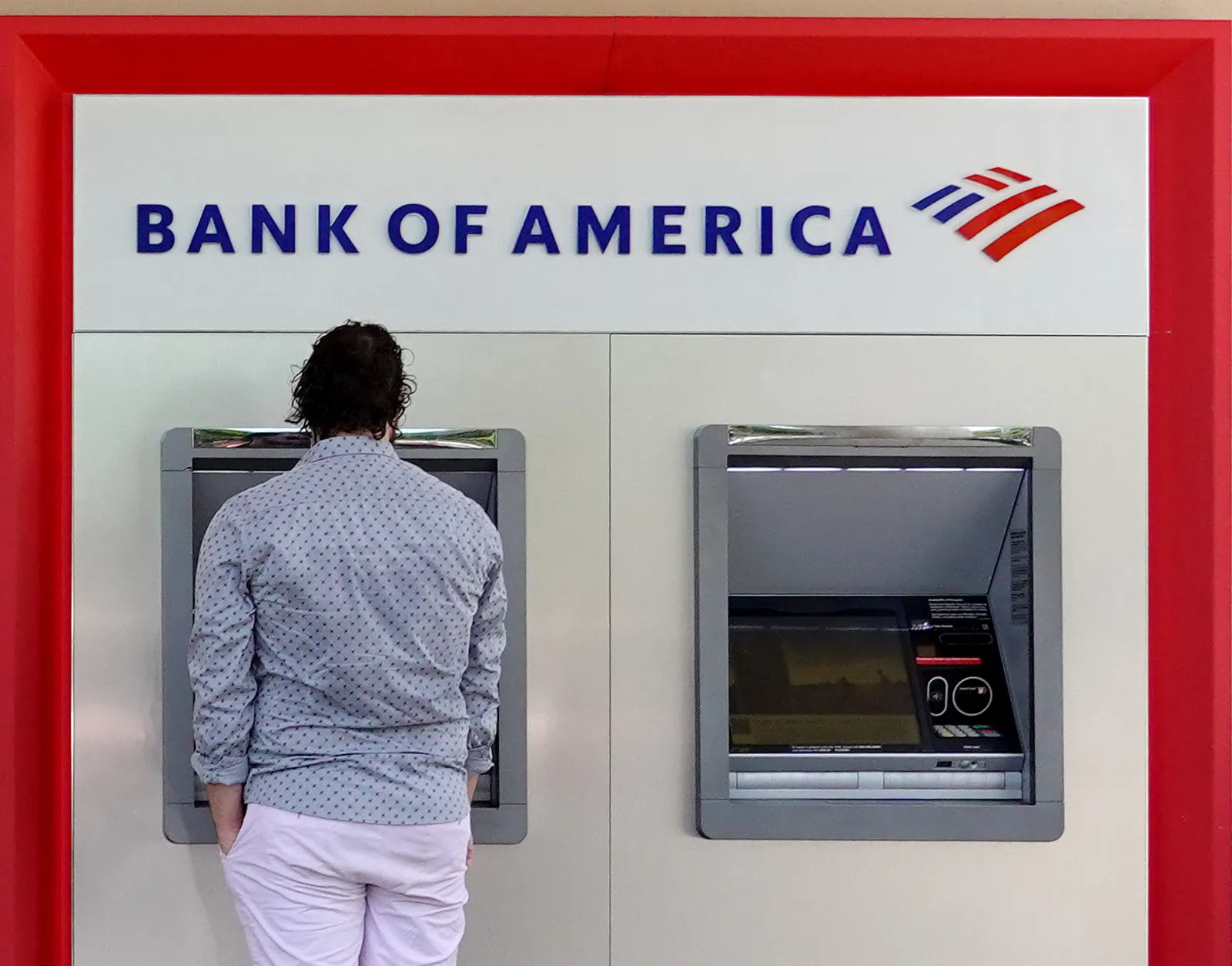
More than 320 U.S. bank branches have been marked for closure in the first 13 weeks of 2025, with institutions like Flagstar, TD Bank, Wells Fargo and Bank of America continuing a widespread change to their physical presence.
Why It Matters
The rise in closures stems from a larger shift in banking behavior. According to a study cited in the Daily Mail, more than 200 million Americans still make transactions in branches, but the use of mobile apps and online banking is rapidly expanding.
Read More on News
...
What To Know
U.S. Bank was among the leaders in the latest wave of closures, with some 40 locations set to shut down operations, according to filings with the Office of the Comptroller of the Currency (OCC).
Other major players included Wells Fargo with 49, and Flagstar with 52.
Recent data from Statista indicates a continued decline in foot traffic at U.S. bank branches, driven by the growing adoption of digital banking services. In the fourth quarter of 2024, 45 percent of U.S. bank account holders reported conducting activities in person at a branch, a decrease from 53 percent in the first half of 2019.
Generational differences also influence branch visitation patterns. A study by Rivel Banking Research found that Generation Zers visited bank branches an average of 3.6 times per year, while baby boomers averaged 4.6 visits annually. Overall, 52 percent of U.S. consumers visited a bank branch up to four times in the past year.
The COVID-19 pandemic accelerated the shift toward online and mobile banking, leading to a significant reduction in branch visits. While some consumers continue to rely on physical branches for services like cash deposits, loan applications and access to safety deposit boxes, the overall trend points toward decreased in-person banking interactions.
For consumers, especially older adults, those with limited internet access or people in rural communities, these closures pose significant barriers. In-person banking remains essential for many, and longer distances to branches could mean reduced access to financial services, longer wait times and a higher risk of financial exclusion.
But a 2021 report by National Cash Systems indicated that nearly 40 percent of Americans used an ATM from eight to 10 times per month.
Annually, approximately 10 billion transactions are processed via ATMs in the U.S., highlighting their continued relevance in financial activities.
Full List of Bank Closures in 2025 as of March 24
What People Are Saying
A Wells Fargo spokesperson told Newsweek: "Branches continue to play an important role in the way we serve our customers in combination with our mobile app, online website, and ATMs. We are actively investing in our branch network by opening new locations and refurbishing our entire network.
"As we optimize our branch network, we are focused on evolving our branch presence based on customer usage and the changing traffic patterns and retail landscape to best meet the banking needs of each community we serve."
What Happens Next
As digital banking continues to rise in popularity, the gap between convenience and accessibility grows. While most customers have moved online, older adults, those with disabilities or living on low income still rely on branches, raising questions as banks reshape their physical footprints in 2025.
Update, 03/25/2025, 01:15 p.m. ET: This article was updated with comment from a Wells Fargo spokesperson.
View 0 Comments
Submit Correction
View Editorial & AI Guidelines