...

By Hollie Silverman
News Editor
0
Share
Newsweek is a Trust Project member
See more of our trusted coverage when you search.Prefer Newsweek on Googleto see more of our trusted coverage when you search.
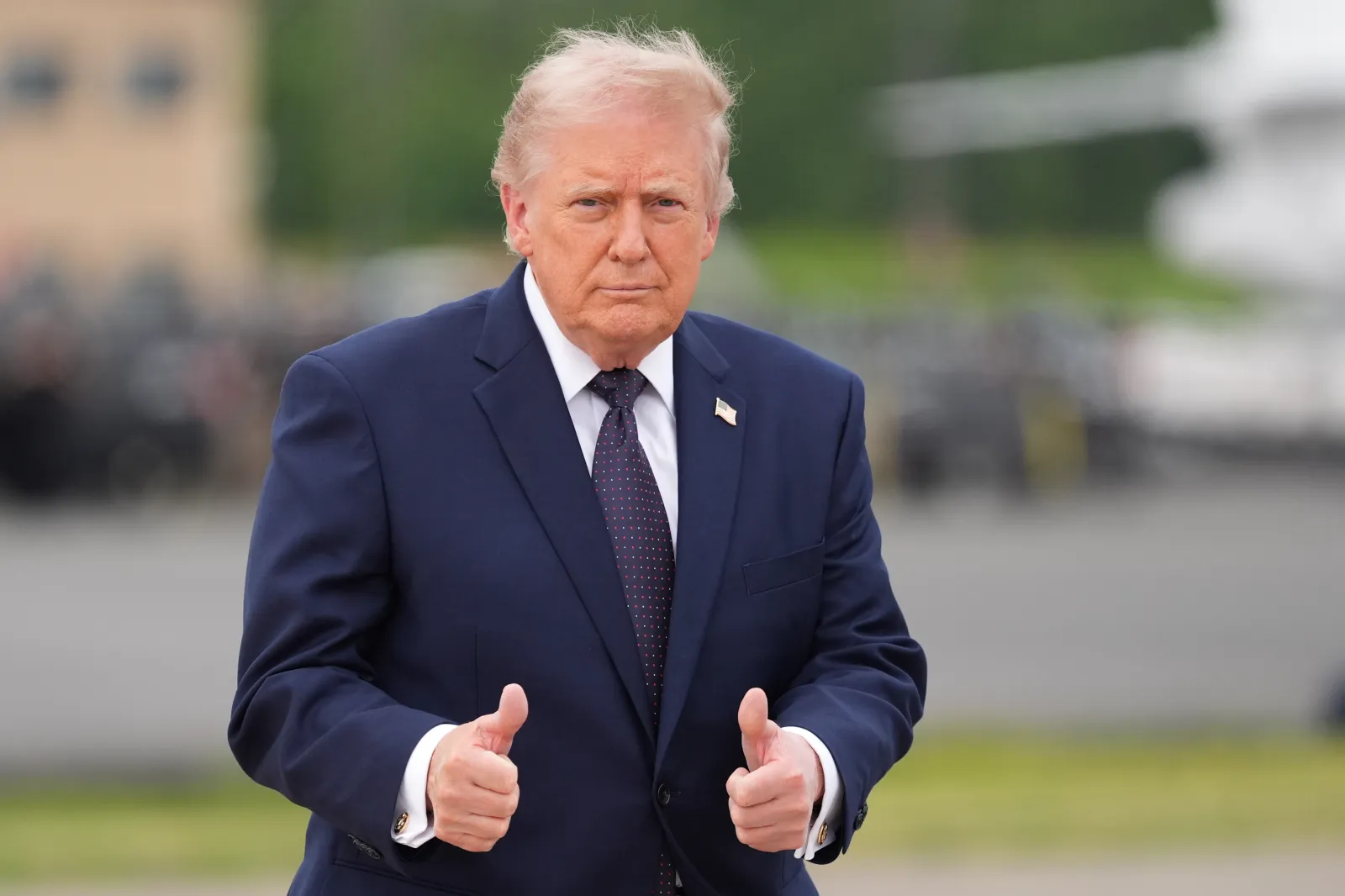
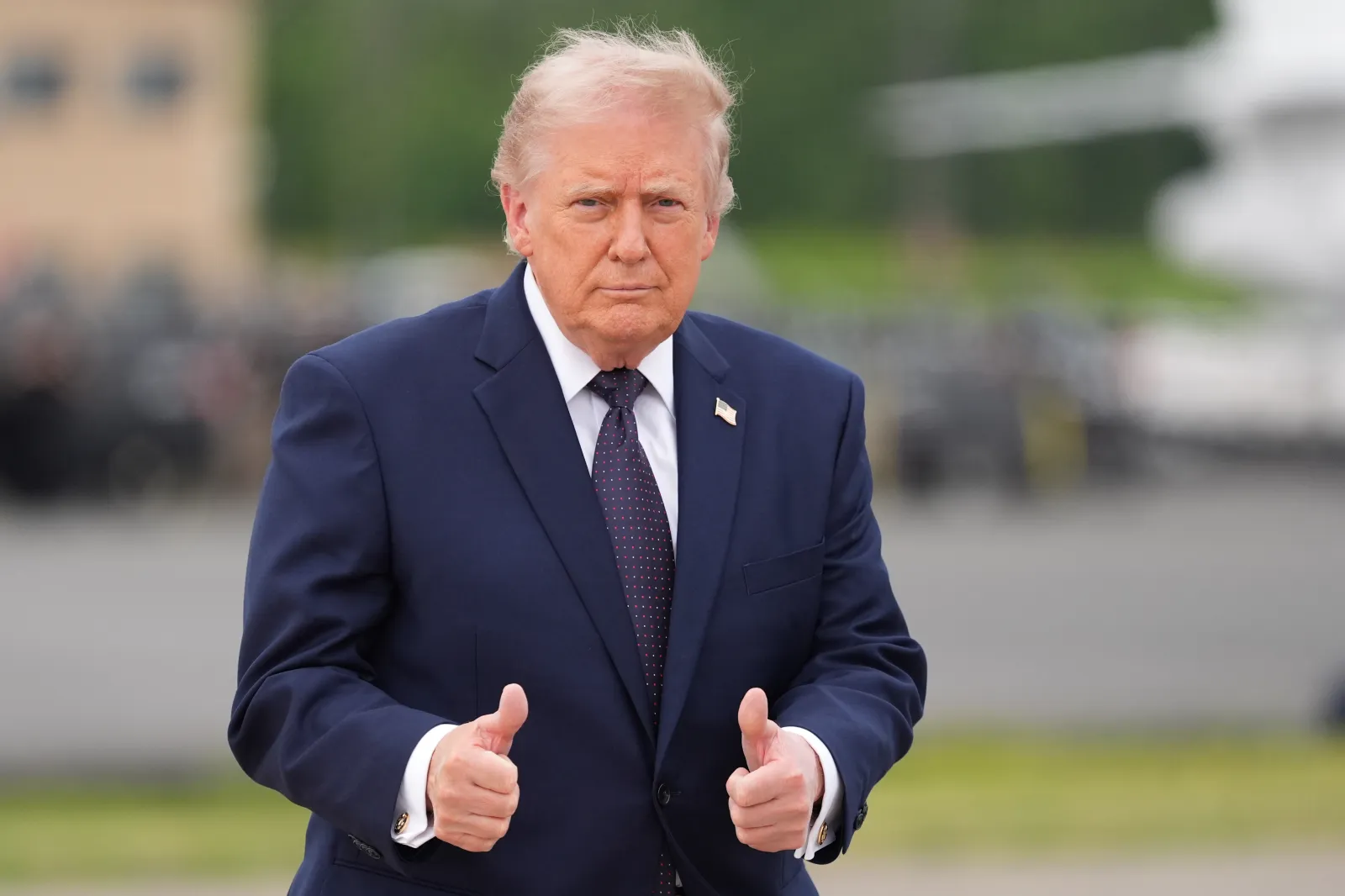
President Donald Trump said on Saturday that the U.S. is finalizing a comprehensive agreement with Iran to end recent military hostilities, marking a major diplomatic breakthrough in the war.
Writing on Truth Social, Trump stated that "an agreement has been largely negotiated, subject to finalization" between the U.S., Iran, and regional partners, with the final details "currently being discussed, and will be announced shortly."
The president noted that he had calls with Israeli Prime Minister Benjamin Netanyahu and leaders from Saudi Arabia, the United Arab Emirates, Qatar, Pakistan, Turkey, Egypt, Jordan, and Bahrain. He described the framework as a “Memorandum of Understanding pertaining to peace” that must be finalized by all participating nations.
Read More on News
The administration's diplomatic push, corroborated by reports from the Associated Press and Reuters, centers on a proposed deal that would permanently halt months of active warfare and reopen the critical Strait of Hormuz. The development marks the most significant diplomatic progress toward peace since Pakistan successfully brokered a temporary ceasefire earlier this month.
If finalized, the negotiations would defuse a volatile conflict that has strained U.S. alliances, upended global shipping and oil prices and necessitated the largest U.S. military mobilization in the Middle East in recent history.
Read President Trump's Full Statement
I am in the Oval Office at the White House where we just had a very good call with President Mohammed bin Salman Al Saud, of Saudi Arabia, Mohammed bin Zayed Al Nahyan, of The United Arab Emirates, Emir Tamim bin Hamad bin Khalifa Al Thani, Prime Minister Mohammed bin Abdulrahman bin Jassim bin Jaber Al Thani, and Minister Ali al-Thawadi, of Qatar, Field Marshal Syed Asim Munir Ahmed Shah, of Pakistan, President Recep Tayyip Erdoğan, of Türkiye, President Abdel Fattah El-Sisi, of Egypt, King Abdullah II, of Jordan, and King Hamad bin Isa Al Khalifa, of Bahrain, concerning the Islamic Republic of Iran, and all things related to a Memorandum of Understanding pertaining to PEACE. An Agreement has been largely negotiated, subject to finalization between the United States of America, the Islamic Republic of Iran, and the various other Countries, as listed. Separately, I had a call with Prime Minister Bibi Netanyahu, of Israel, which, likewise, went very well. Final aspects and details of the Deal are currently being discussed, and will be announced shortly. In addition to many other elements of the Agreement, the Strait of Hormuz will be opened. Thank you for your attention to this matter!
...
Diplomatic Breakthrough Inches Closer for U.S. and Iran
U.S. and Iranian negotiators traded proposals through mediator Pakistan. A senior U.S. official, speaking on condition of anonymity, told the AP earlier that while both sides made “significant progress,” last-minute disputes could still derail the efforts. Meanwhile, Iran has signaled “narrowing differences” after Pakistan’s army chief held more talks in Tehran, and U.S. Secretary of State Marco Rubio told journalists in India on Saturday that “there’s been some progress made.”
According to sources, the potential deal would include an official declaration of the war’s end, the lifting of the U.S. blockade on Iran's ports, and the launch of two-month negotiations regarding Iran’s nuclear program. While the current ceasefire remains fragile, it has held long enough for both sides to make tangible diplomatic headway.
However, Iran state TV earlier quoted foreign ministry spokesperson Esmail Baghaei as describing the draft as a “framework agreement,” stating that Tehran seeks to finalize details over a 30-to-60-day span. Baghaei noted that nuclear issues are not part of the current negotiations, as Tehran first seeks to end the war on all fronts—including Lebanon—and secure the lifting of sanctions.
The president previously noted he was holding off on military strikes because "serious negotiations" were underway at the request of Middle East allies, though both sides have warned of the risks of resuming attacks. Rubio repeated the U.S. stance that Iran can never have a nuclear weapon, must turn over its highly enriched uranium, and the strait must remain open.
Iran’s parliament speaker and lead negotiator, Mohammad Bagher Qalibaf, warned after meeting with Pakistan’s army chief Asim Munir that Iran has rebuilt its military assets. He declared that if Trump resumes attacks, the result would be “more crushing and more bitter” than at the start of the war.

...
Reaction to the Potential Peace Deal
Any potential deal is bound to face scrutiny in Washington. Republican Senator Lindsey Graham, a staunch Trump supporter, noted the danger of striking a deal with Iran that doesn't reach all of the goals set by the U.S.
"If a deal is struck to end the Iranian conflict because it is believed that the Strait of Hormuz cannot be protected from Iranian terrorism and Iran still possesses the capability to destroy major Gulf oil infrastructure, then Iran will be perceived as being a dominate force requiring a diplomatic solution," Graham wrote in a Saturday X post. "I personally am a skeptic of the idea that Iran cannot be denied the ability to terrorize the Strait and the region cannot protect itself against Iranian military capability."
Republican Senator Roger Wicker wrote on X that a "rumored 60-day ceasefire—with the belief that Iran will ever engage in good faith—would be a disaster," adding that "everything accomplished by Operation Epic Fury would be for naught!"
While some lawmakers expressed skepticism, European leadership viewed the potential agreement as a window for diplomacy.
European Commission President Ursula von der Leyen wrote on X on Sunday that she welcomes the progress both countries have made.
"We need a deal that truly de-escalates the conflict, reopens the Strait of Hormuz and guarantees toll free full freedom of navigation," she wrote. "Iran must not be allowed to develop a nuclear weapon. It must also end its destabilising actions in the region, directly or through proxies, as well as its unjustified and repeated attacks on its neighbours. Europe will continue working with international partners to seize this moment for a lasting diplomatic solution. And to contain the spillover of this conflict, notably on supply chains and energy prices."
British Prime Minister Sir Keir Starmer shared the same sentiment, writing on X that his "government will continue to do everything we can to protect British people from the impact of this conflict," adding that "we will work with our international partners to seize this moment and achieve a long-term diplomatic settlement."

...
Iran War Timeline
- February 28, 2026 (The Outbreak): Following a series of Iranian-backed attacks on U.S. positions in Iraq and Syria, the U.S. and Israel launch coordinated strikes on Iranian missile sites, drone facilities, and Islamic Revolutionary Guard Corps (IRGC) command centers. Iran responds by firing ballistic missiles at American bases and mobilizing naval forces near the Strait of Hormuz.
- Early March (Naval and Cyber Warfare): The U.S. intensified its air campaign against Iranian air defenses and logistics hubs. Severe naval clashes erupted in the Persian Gulf as U.S. destroyers intercepted Iranian fast-attack boats. Concurrently, U.S. Cyber Command disrupted Iranian radar and missile-tracking networks. Commercial shippers began rerouting tankers, causing global insurance rates to spike.
- Mid-March to April (Maximum Mobilization): The Pentagon deployed additional carrier strike groups to the region. Following maritime interdiction operations by the U.S. to choke off weapons shipments, Iran fired anti-ship missiles and briefly closed the Strait of Hormuz. The U.S. responded with its largest wave of airstrikes of the war, targeting missile factories and naval bases. Thousands of additional U.S. troops were deployed to reinforce regional air defenses as Congress pressed the White House for a long-term strategy ahead of the War Powers Act deadline.
- May 2026 (The Pause): Entering its third month, the war saw near-daily naval encounters and mounting civilian casualties inside Iran. In mid-May, a fragile ceasefire brokered by Pakistan created the first sustained pause in fighting, opening the door for indirect diplomatic talks.
Impacts of Iran War
The conflict has rippled far beyond the immediate battlefield, deeply altering international markets and foreign policy:
View 0 Comments
Submit Correction
View Editorial & AI Guidelines