...

By Anna Skinner
Associate News Editor
0
Share
Newsweek is a Trust Project member
See more of our trusted coverage when you search.Prefer Newsweek on Googleto see more of our trusted coverage when you search.
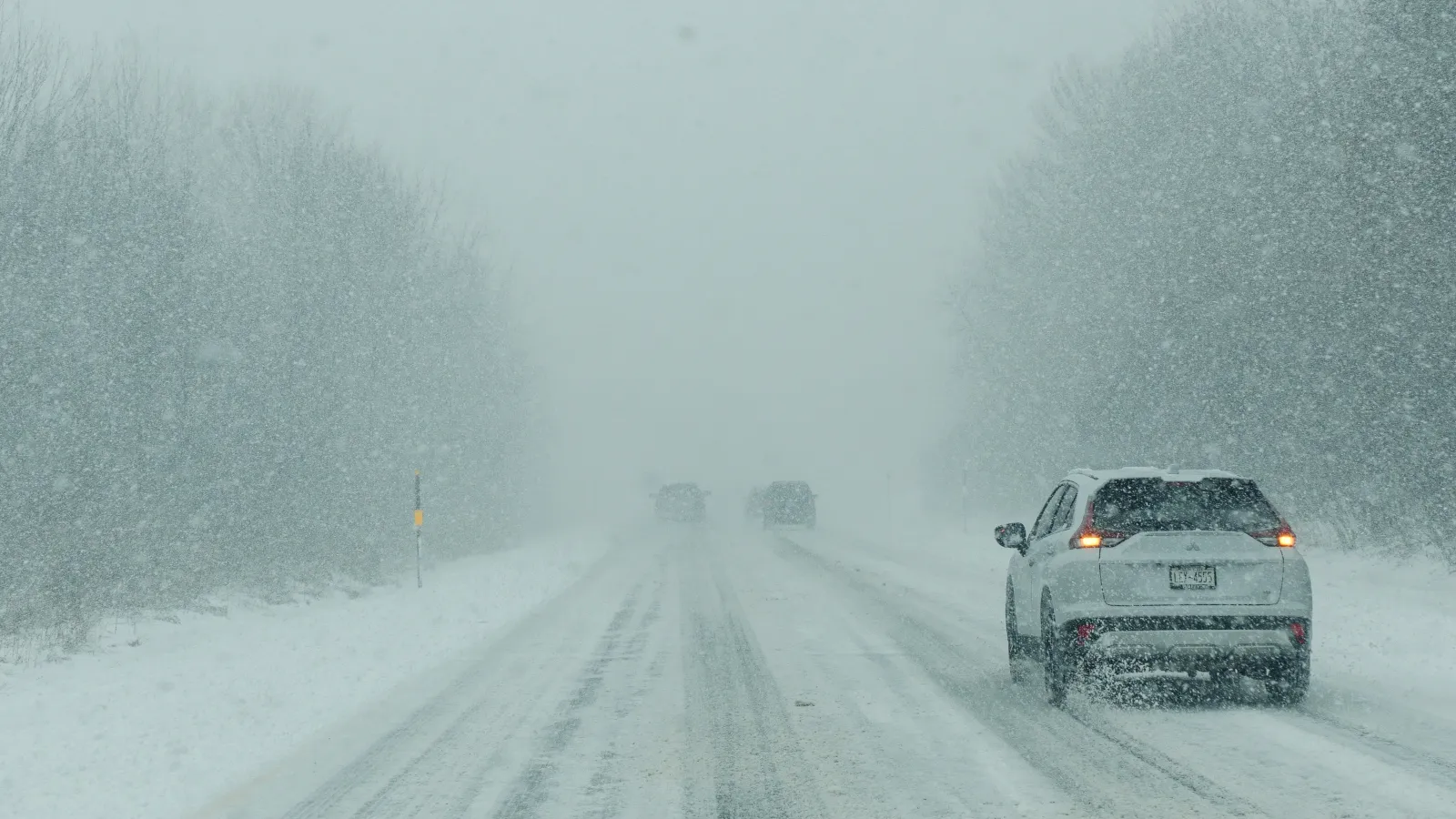
Severe weather experts are urging thousands of people in Northern Wisconsin and Michigan's Upper Peninsula to reserve travel for emergencies only on Wednesday afternoon as a blizzard hit the area ahead of Thanksgiving.
"Our biggest concerns are twofold, one the strong snowfall rates in excess of 1 inch per hour and also the high winds," National Weather Service (NWS) meteorologist Greg Sova told Newsweek. "We have seen some wind gusts in excess of 50 mph, and the combination of heavy snow and strong winds creates very low visibility and causes the snow to drift over the roads. That makes travel very hazardous, especially in this pre-holiday travel period."
Why It Matters
The warnings were issued on Wednesday, which is commonly known as the busiest travel day ahead of the Thanksgiving holiday. This year, nearly 82 million Americans are planning on traveling more than 50 miles for the holiday, which comes at a time when significant winter storms are battering the Great Lakes region.
Read More on U.S.
The blizzard warning aims to alert people to the impacts of the storm.
...
What To Know
The NWS office in Duluth, Minnesota, issued a blizzard warning on Wednesday afternoon for its Northern Wisconsin forecast area. The NWS office in Marquette, Michigan, issued a similar warning.
Heavy snow was expected and when coupled with high winds, could create near-zero visibility that would make travel "very difficult to impossible."
"Travel should be restricted to emergencies only. If you must travel, have a winter survival kit with you. If you get stranded, stay with your vehicle," NWS Duluth said in the warning.
Up to 12 inches of snow was expected in Ashland and Iron Counties in Wisconsin, with up to 2 inches of snow and blizzard conditions expected in Bayfield County, Wisconsin.
In Michigan, amounts were even higher, with meteorologists predicting up to 14 inches in Baraga, Gogebic, Keweenaw, Northern Houghton and Ontonagon Counties.
Both blizzard warnings are already in effect. For Wisconsin, it will remain in place until 6 p.m. Wednesday or 6 a.m. Thursday, depending on location. The one in Michigan will persist until 7 a.m. Thursday.
How Far Out Is a Winter Storm Warning issued?
Winter storm warnings can be issued hours or even days in advance, with meteorologists well aware of the impacts of an incoming storm and if they are severe enough to require a warning. Blizzard warnings are more sudden, as conditions can develop rapidly.
Is Thanksgiving Day a Busy Travel Day?
People are bound to travel on Thanksgiving, especially by car, but Wednesday is typically the busiest travel day ahead of the holiday.
What Is Worse, a Winter Storm Advisory or Warning?
A winter storm warning is more severe than a winter weather advisory. In addition to the blizzard warnings, winter storm warnings and winter weather advisories were also in place.
What People Are Saying
NWS Marquette, in a blizzard warning: "Travel could be very difficult to impossible. Widespread blowing snow will significantly reduce visibility. The hazardous conditions will impact the Wednesday evening commute and Thanksgiving morning travel. Strong winds could cause tree damage."
NWS Duluth, in a post to X: "Snowfall totals are in, with 6-12" reported across parts of northern Minnesota and much of northwest Wisconsin include 10.3" here at NWS Duluth. Keep in mind it's still snowing in northwest Wisconsin, so these totals are NOT yet storm-total for Wisconsin."
What Happens Next
The blizzard warnings are set to expire by Thursday morning, but advisories and other alerts will remain across the Great Lakes region through Thanksgiving. The NWS warned that dangerous travel conditions could persist throughout the holiday weekend. People living in the impacted areas should monitor local weather guidance before traveling.
View 0 Comments
Submit Correction
View Editorial & AI Guidelines