10
Loading video...

By Hollie Silverman
News Editor
0
Share
Newsweek is a Trust Project member
See more of our trusted coverage when you search.Prefer Newsweek on Googleto see more of our trusted coverage when you search.
Nearly 30 years after Tupac Shakur was gunned down in a drive-by shooting on the Las Vegas Strip, the only person ever charged in connection with the rap icon's death is finally going on trial.
Jury selection began Monday in Clark County, Nevada, for Duane "Keffe D" Davis, a former South Side Compton Crips leader accused of orchestrating the September 1996 killing. Davis, 63, has pleaded not guilty. He faces life in prison without parole if convicted.
Prosecutors argue he ordered the attack and supplied the weapon used in the shooting, though they are not alleging he was the gunman.
Read More on News
Tupac's killing became a defining moment in hip-hop history and remains one of the most famous unsolved murders in American popular culture.
This trial is the first criminal proceeding tied to the case and could offer the most detailed public account yet of what happened on the night Shakur was shot.
However, even as testimony gets underway in Las Vegas, some of the questions that have haunted the investigation for three decades may never be fully answered.

...
What Happened to Tupac?
On September 7, 1996, Shakur was in Las Vegas to attend the Mike Tyson-Bruce Seldon heavyweight title fight.
After the bout, he and members of his entourage were involved in an altercation at the MGM Grand with Orlando "Baby Lane" Anderson, the nephew of Duane "Keffe D" Davis.
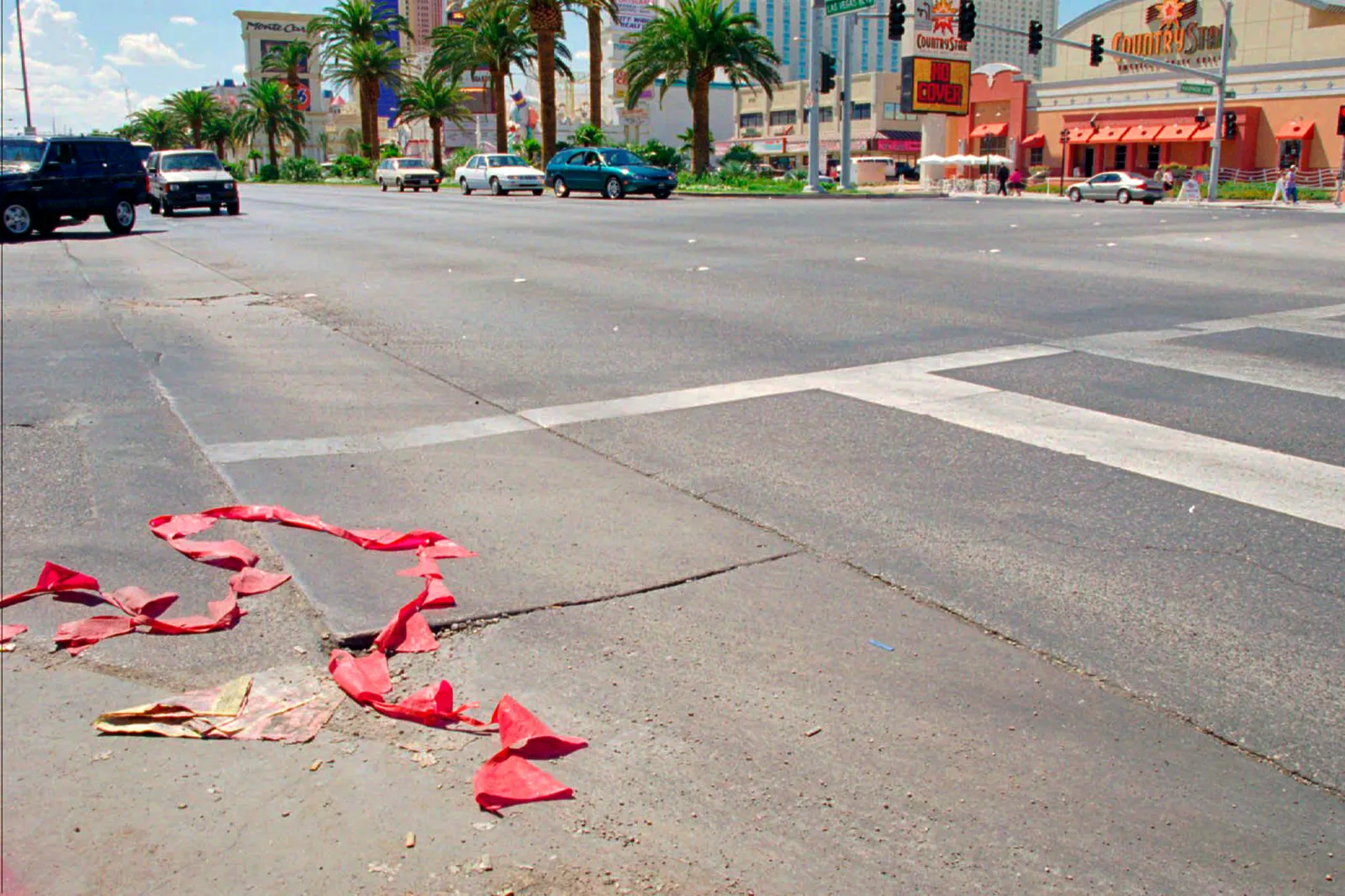
Later that evening, Shakur was riding in a black BMW driven by Death Row Records co-founder Marion "Suge" Knight when a white Cadillac pulled alongside them at a red light near the Las Vegas Strip. Gunfire erupted from the Cadillac, striking Shakur multiple times.
Knight survived with minor injuries, but Shakur, who was 25 years old at the time, suffered multiple gunshot wounds and was treated at University Medical Center in Las Vegas before succumbing to his injuries six days later.
His death shocked the music industry and became one of the most infamous unsolved murders in entertainment history.
Investigators have long viewed the MGM Grand brawl as a key event leading up to the shooting.
...
Who Is Suspect Duane Davis?
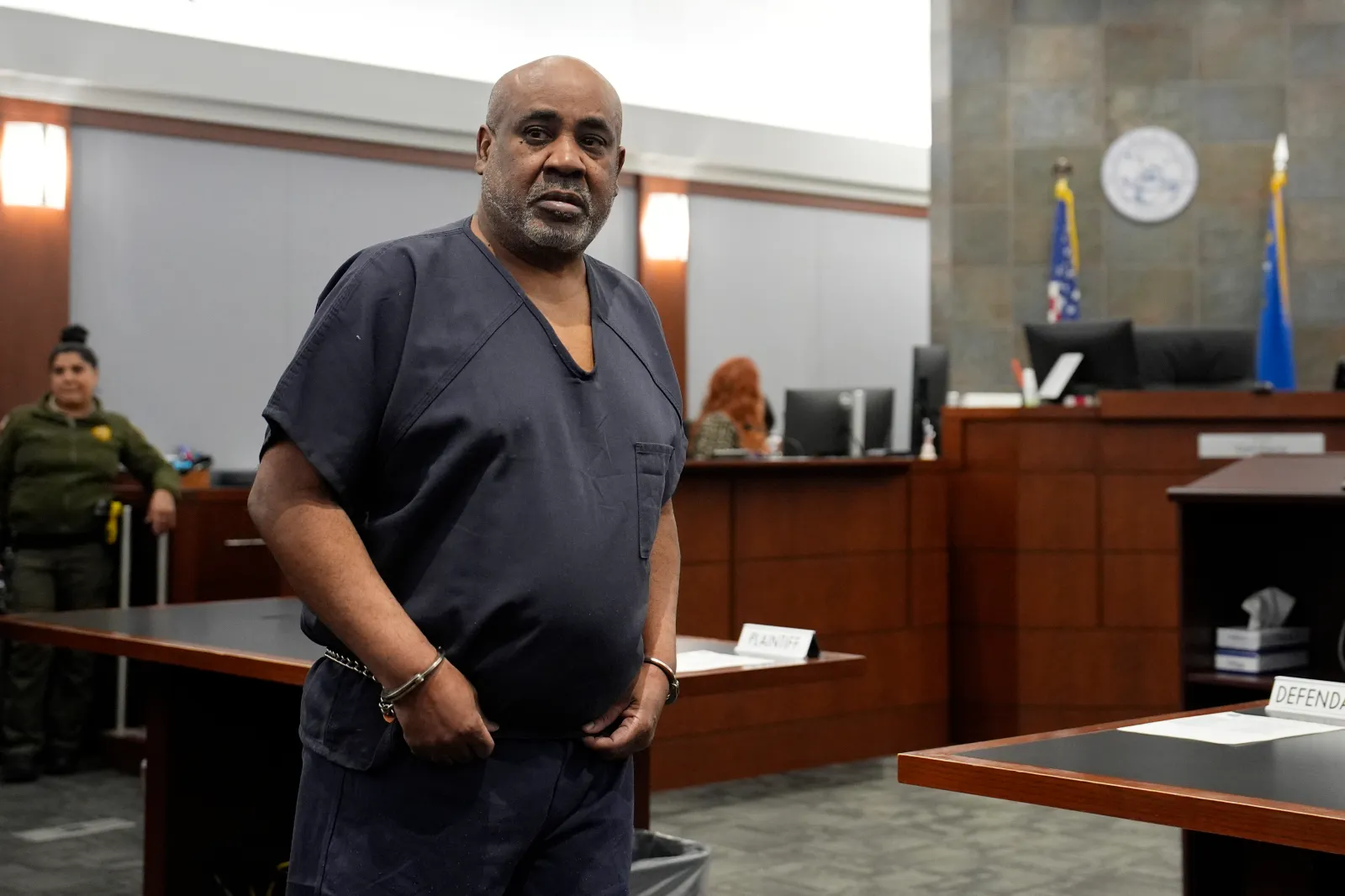
Duane "Keffe D" Davis, 63, is a former leader of the South Side Compton Crips and the only person ever charged in connection with Shakur's killing.
Prosecutors allege Davis orchestrated the retaliatory attack and provided the weapon used in the shooting, though they are not claiming he was the gunman.
A central part of the prosecution's case involves Davis' own public statements, including interviews and his 2019 memoir, Compton Street Legend, in which he discussed being in the Cadillac linked to the shooting.
Defense attorneys have argued that parts of those accounts were exaggerated or fictionalized. Davis has remained in custody since his arrest and has repeatedly challenged the prosecution's characterization of his statements during pretrial proceedings.
...
Why It Took 30 Years for the Trial to Begin
For decades, investigators suspected individuals connected to the South Side Compton Crips, but authorities said they lacked sufficient admissible evidence to file charges.
The case remained cold until recent years, when Davis gave multiple interviews and published a memoir detailing his alleged involvement in the events surrounding Shakur's death.
Las Vegas police later said those statements helped revive the investigation and provided evidence that was not previously available.
Davis was ultimately indicted and arrested in 2023, making him the first person ever charged in the case. His trial began nearly three years later with jury selection on August 10, 2026, almost 30 years after the shooting.

...
Who Was Suge Knight?
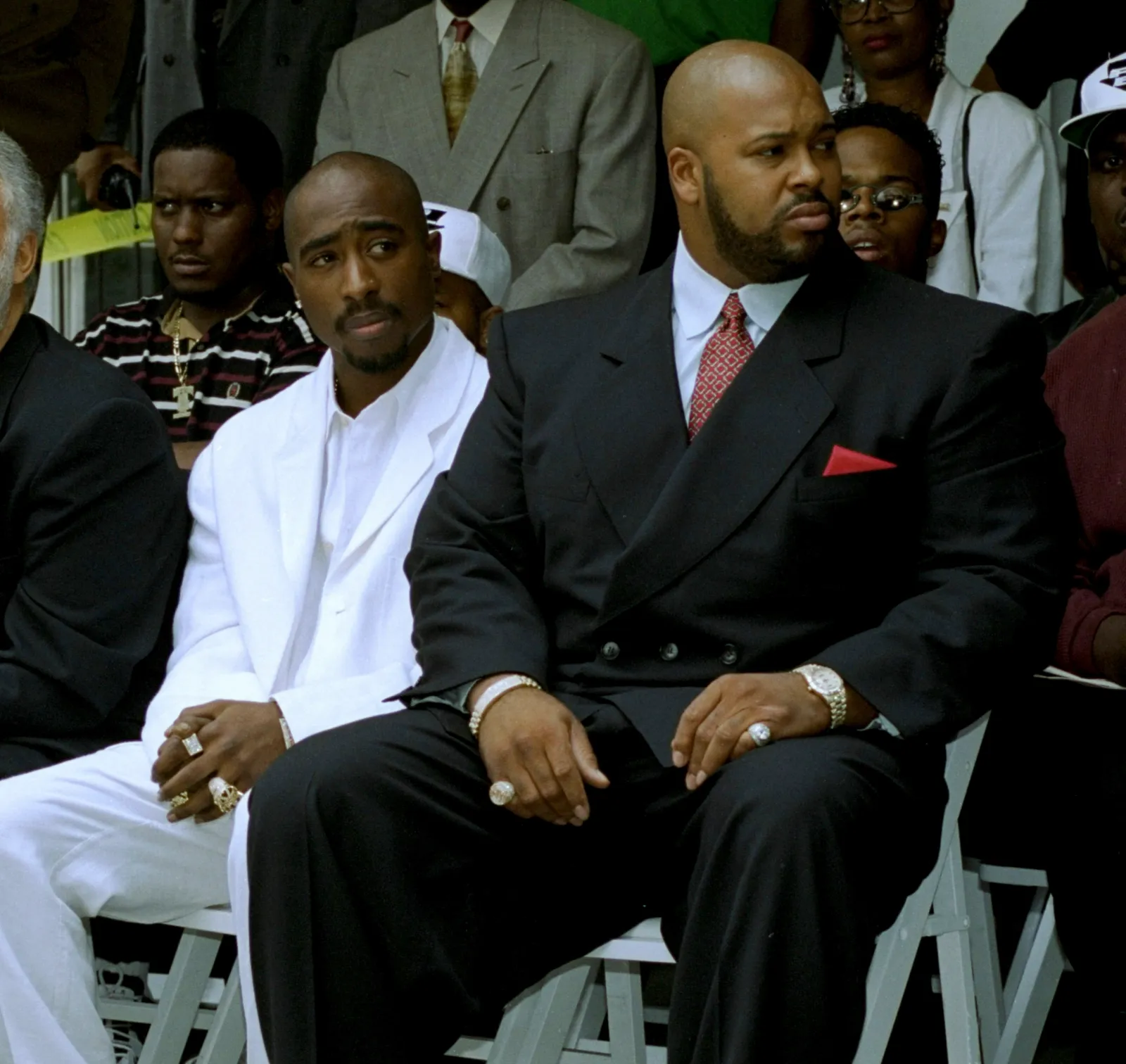
Marion "Suge" Knight is the co-founder of Death Row Records, the influential label that helped launch some of hip-hop's biggest stars, including Tupac Shakur, Dr. Dre and Snoop Dogg.
At the time of the shooting, Knight was one of the most powerful figures in rap music and was driving the BMW in which Shakur was riding.
Knight survived the attack with relatively minor injuries and became one of the last people to see Shakur alive.
Investigators interviewed him extensively over the years as they tried to unravel what happened that night.
Although his name has frequently surfaced in theories about the murder, no charges have ever been brought against him in connection with Shakur's death. Knight is currently serving a 28-year prison sentence in an unrelated fatal hit-and-run case.
...
Unanswered Questions
1. Who Actually Pulled the Trigger?
Perhaps the biggest mystery surrounding Tupac's death may remain unresolved even after the trial.
Prosecutors have acknowledged that their case is focused on proving Davis directed the attack, not identifying the shooter.
Court filings and reporting indicate the state will argue Davis was the "shot caller" who provided the gun and helped organize the retaliation against Shakur.
Several of the men believed to have been in the Cadillac from which the shots were fired have since died, limiting the ability to establish who actually fired the fatal rounds.

...
2. How Much Can Prosecutors Rely on Davis' Own Words?
The prosecution's case is expected to rely heavily on statements Davis made over the years, including interviews and his 2019 memoir Compton Street Legend.
Authorities have said the case gained momentum after Davis publicly discussed details of the shooting.
However, defense attorneys argue those statements were exaggerated, fictionalized, or made for entertainment and profit.
The trial may ultimately hinge on whether jurors view Davis' admissions as credible confessions or unreliable storytelling.
3. Was the MGM Grand Fight Really the Motive?
Investigators have long linked the shooting to a confrontation earlier on the night of September 7, 1996.
Security footage captured Shakur and members of his entourage assaulting Orlando "Baby Lane" Anderson, Davis' nephew, inside the MGM Grand Hotel after a Mike Tyson fight.
Prosecutors contend the shooting was retaliation for that altercation. While that theory has become the dominant explanation for the killing, questions remain about whether additional factors contributed to the attack or whether the brawl alone sparked the deadly chain of events.

...
4. Why Did It Take Nearly Three Decades to Bring Charges?
One of the most surprising aspects of the case is how long it took for prosecutors to file charges.
Police described Davis as a longtime suspect but said they lacked sufficient admissible evidence for years.
According to investigators, much of the evidence used to build the current case emerged from Davis' own public comments and published memoir.
His 2023 arrest marked the first time anyone had been criminally charged in connection with Shakur's death, raising questions about whether the case could have been brought earlier and what evidence might have been lost with time.
5. Will the Trial Finally Provide Closure?
For many fans and members of Shakur's family, the trial represents the closest the justice system has come to answering questions that have lingered since 1996.
Yet the proceedings may not fully resolve every mystery. Witness memories have faded, key figures are no longer alive, and prosecutors are not expected to establish exactly who fired the shots.
Tupac's stepbrother, Mopreme Shakur, told CNN he is "cautiously optimistic" that the trial will reveal more of the truth. Whether it delivers definitive answers or simply narrows the field of uncertainty remains to be seen.
Contact Newsweek editors for this story: Jason Lemon and Robert Greenall

...
View 0 Comments
Submit Correction
View Editorial & AI Guidelines