...

By Monica Sager
Live News Reporter
0
Share
Newsweek is a Trust Project member
See more of our trusted coverage when you search.Prefer Newsweek on Googleto see more of our trusted coverage when you search.
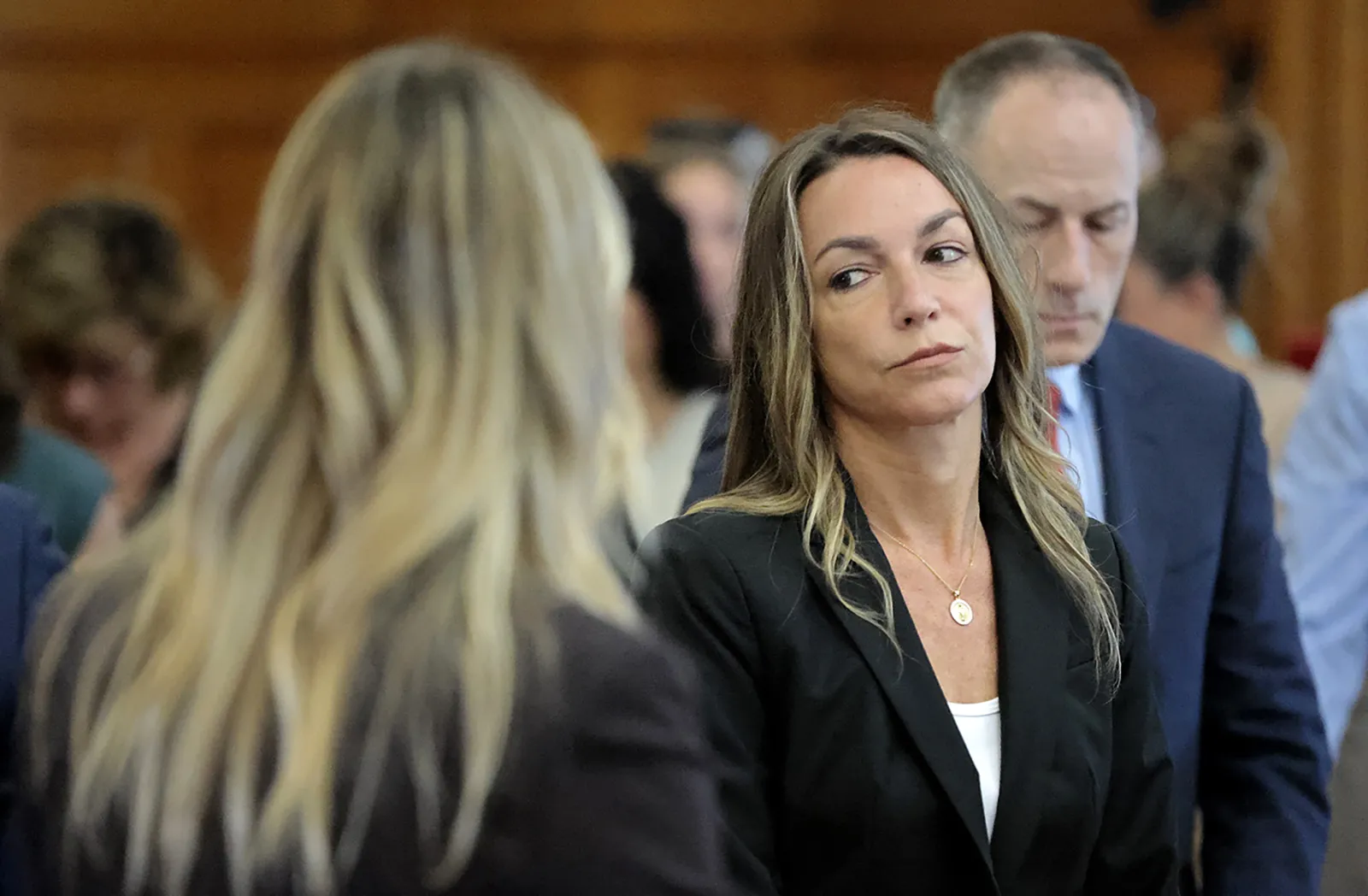
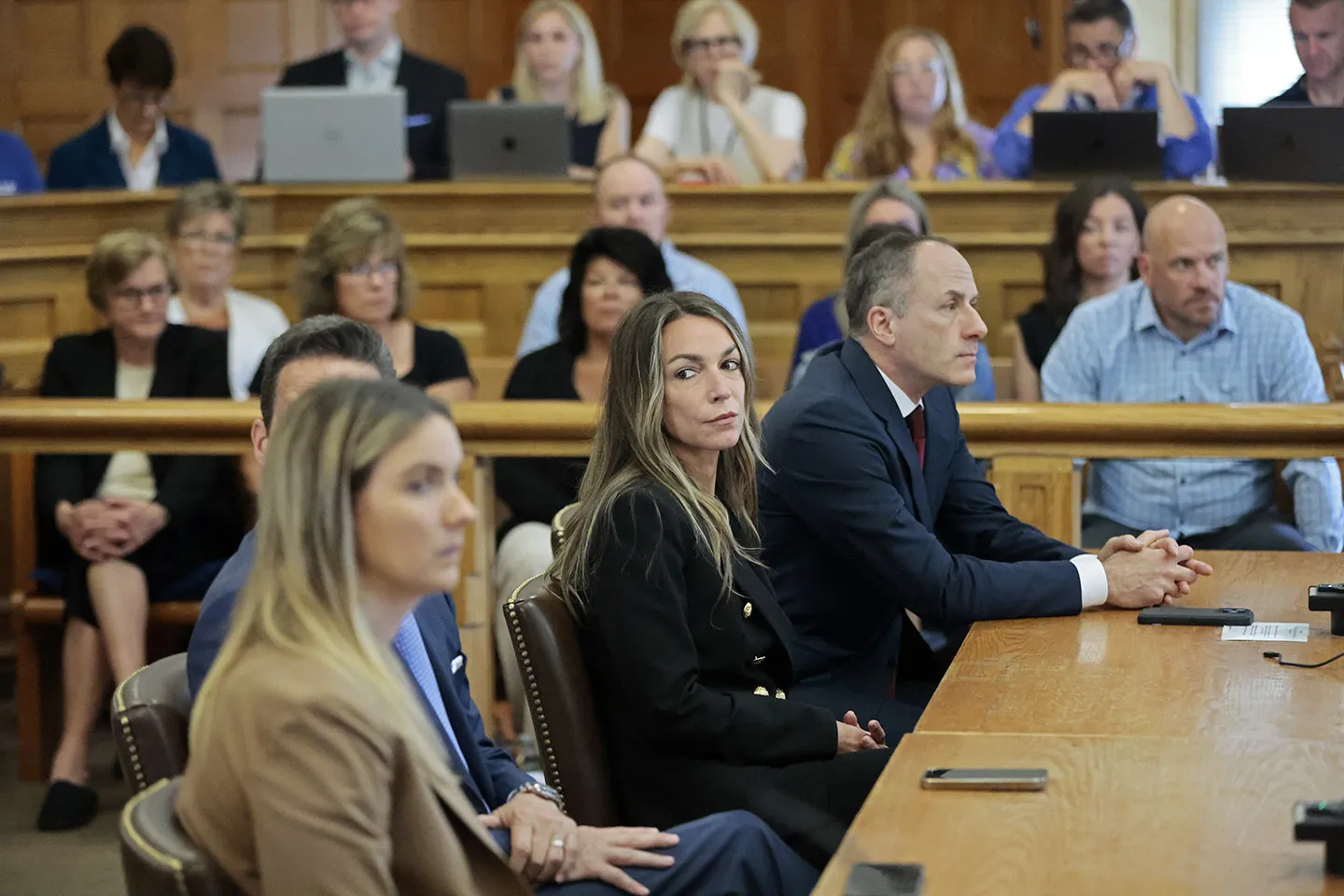
After 23 hours of deliberations, the jury remained deadlocked Monday morning in the Massachusetts case against Karen Read, who allegedly killed her police officer boyfriend.
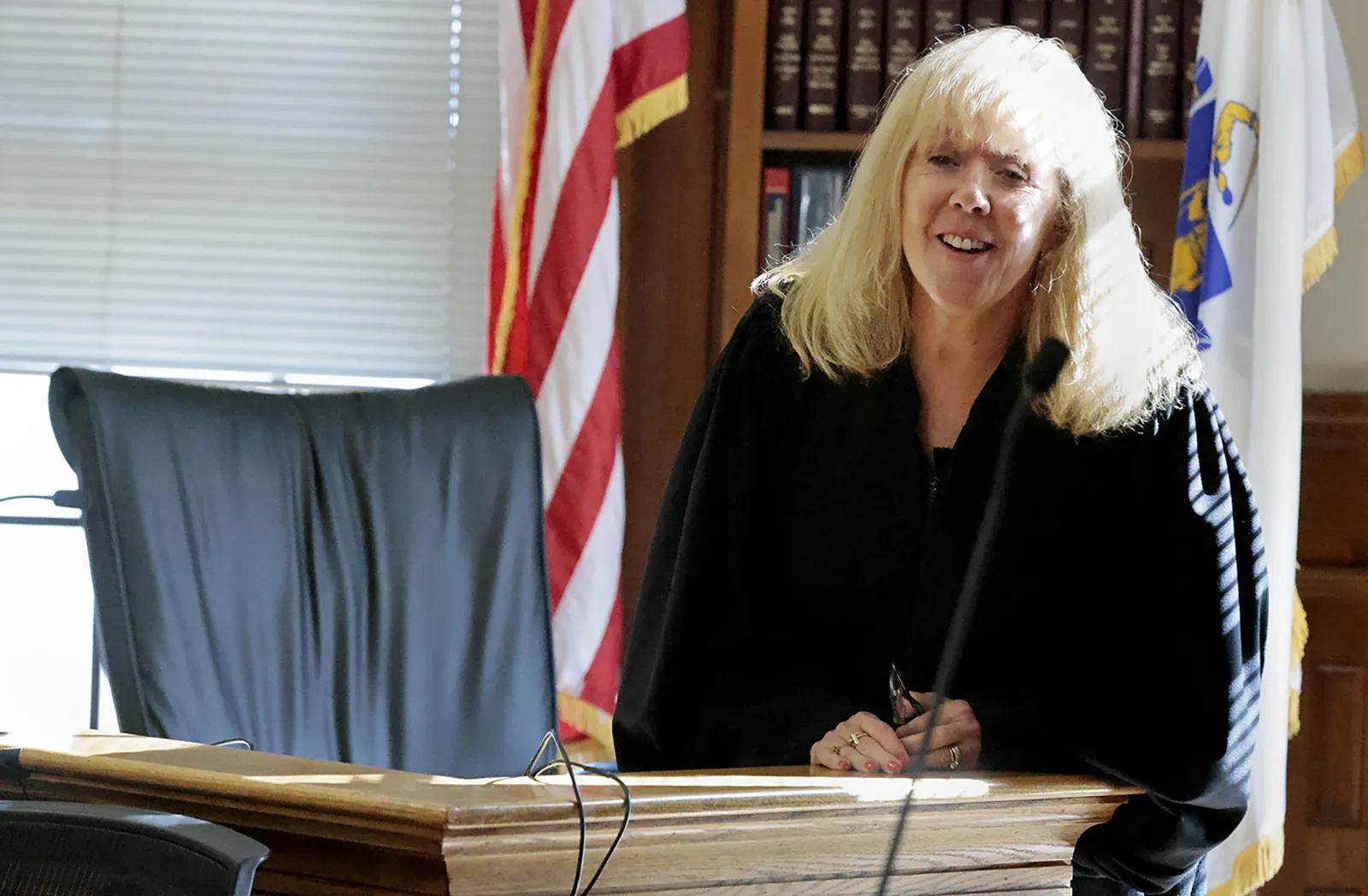
Judge Beverly Cannone then read the Tuey-Rodriguez instructions to the 12 jurors forcing them to continue deliberations.
Read was on trial for two months for murdering her boyfriend John O'Keefe on Jan. 29, 2022 with her car after he was found dead in a fellow police officer's driveway after a night out drinking.
Read More on News
The jury had gone back to court Monday for their fifth day of deliberation. At about 10:30 a.m. the jurors sent a letter to Cannone pointing at "fundamental differences in our opinions and state of mind."
...
"The divergence in our views are not rooted in a lack of understanding or effort but deeply held convictions that each of us carry, ultimately leading to a point where consensus is unobtainable," the jury note read. "We recognize the weight of this admission and the implications it holds."
Read, a financial analyst and college professor, had pleaded not guilty to second-degree murder, and her legal team argued that she is the victim of a police conspiracy to frame her.
This was the second time the jury told Cannone they were deadlocked since deliberations started on Tuesday after two months of testimony.
...
What are Tuey-Rodriguez instructions?
Tuey-Rodriguez is a set of instructions read to the jury to encourage them to reach a verdict.
The instructions are for Massachusetts courts. The name comes from instructions that were adapted from two other court cases: Commonwealth v. Rodriguez and Commonwealth v. Tuey.
Commonwealth v. Rodriguez was a trial in Worcester County in 1973. Two Puerto Rican men were charged with murdering William Alonzo Johnson, a Black man.
The court case raised constitutional questions when the jury did not consist of anyone with a Puerto Rican or Black background. It was argued that the defendants were not denied due process of law since questions to prospective jurors were not sufficiently pointed at racial prejudice. The objection came too late and raised no constitutional question.
Commonwealth v. Tuey noted a model charge recommendation in instructions by the American Bar Association. The 1851 landmark Massachusetts Supreme Judicial Court decision addressed the issue of jury deadlocks and having the jury re-examine their opinions to work toward a unanimous verdict.
"Our constitution and laws provide that in a criminal case the principal way for deciding questions of fact is the verdict of a jury," the instructions read. "In most cases - and perhaps, strictly speaking, in all cases - absolute certainty cannot be attained or expected."
The instructions go on to note the verdict must be made from each juror's own convictions and "not merely an acquiescence in the conclusion of the other jurors." The instructions encourage "proper respect" to each juror's opinions and to listen with an "open mind."
...
"You should consider that it is desirable that the case be decided," the instructions read. "You should consider that you have been selected in the same manner, and from the same source, as any future jury would be. There is no reason to suppose that the case will ever be submitted to 12 persons who are more intelligent, more impartial, or more competent to decide it than you are, or that more or clearer evidence will be produced on one side or the other."
After the instructions were read, Cannone sent the jurors back to their deliberations.
If the deadlock persists, Cannone may recognize it formally and could potentially declare a mistrial.
Do you have a story Newsweek should be covering? Do you have any questions about this story? Contact LiveNews@newsweek.com
View 0 Comments
Submit Correction
View Editorial & AI Guidelines