...

By Anna Commander
News Editor
0
Share
Newsweek is a Trust Project member
See more of our trusted coverage when you search.Prefer Newsweek on Googleto see more of our trusted coverage when you search.
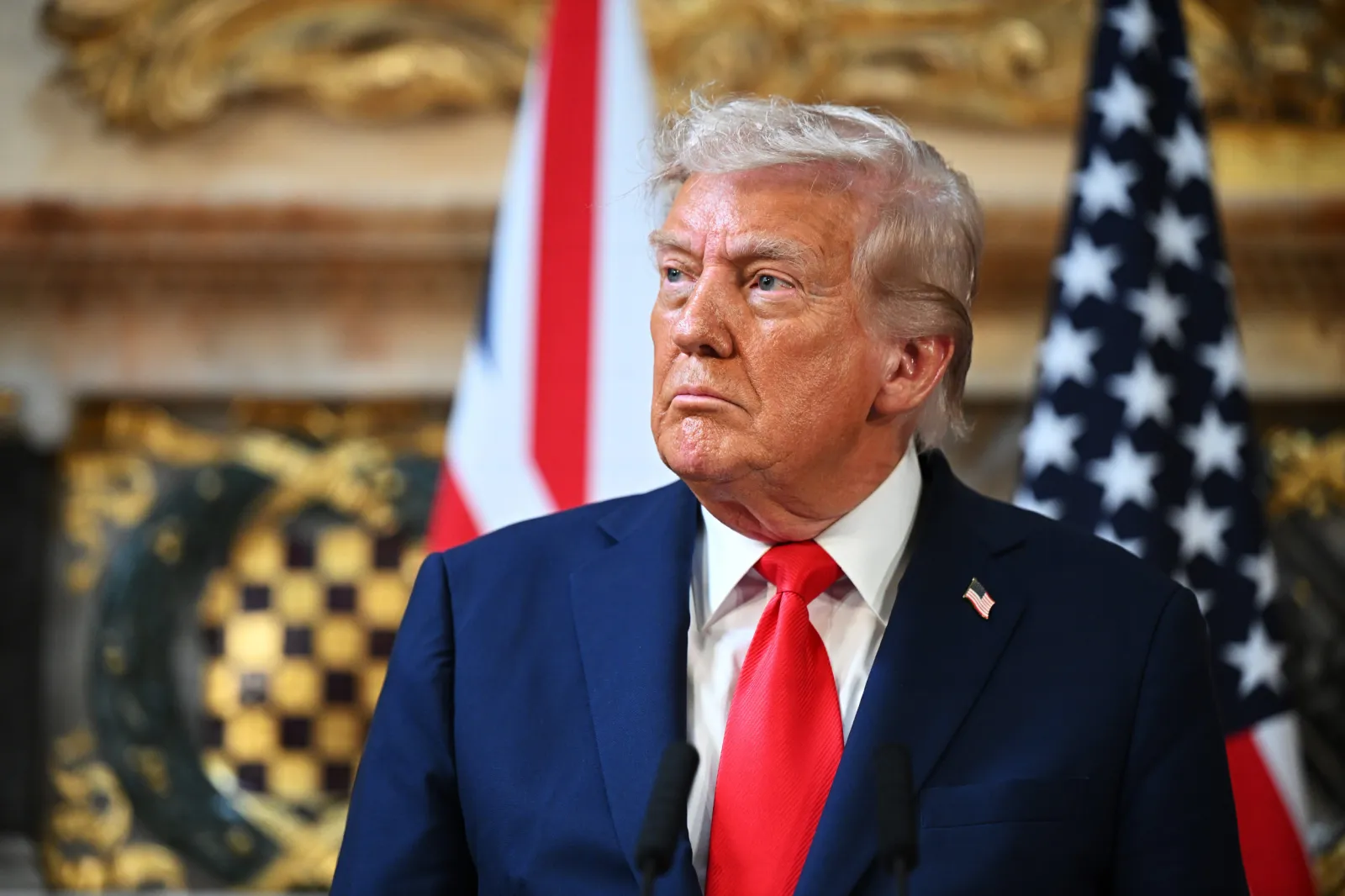
President Donald Trump's approval rating has slipped back to his second term low according to polling by The Associated Press and NORC Center for Public Affairs Research.
Why It Matters
Trump's approval rating slipping comes as political violence and economic anxieties have intensified, potentially shaping the 2026 midterm election landscape and possibly raising difficult questions for administration officials and Republican strategists.
Read More on U.S.
Sustained low approval ratings often translate into political headwinds for incumbent presidents and their parties, historically correlating with losses in Congressional midterm contests.
What To Know
In the poll, the president has a 39 percent net approval rating with a 60 percent net disapproval rating. The poll surveyed 1,183 adults from September 11 to September 15 and has a margin of error of plus or minus 3.8 percentage points.
Those numbers match Trump's lowest with the pollster during his second term in office.
The president also had a 39 percent approval rating in June and April.
The president's approval rating in August had climbed to 45 percent with a 53 percent disapproval rating. The latest poll marks the largest drop month-to-month for the president's approval rating since polls started in March.
Republican confidence in the country's direction also fell dramatically, the AP notes highlighting the poll.
The poll found just half of Republicans believe America is on the right track—down from 70 percent in June. Among Republicans under age 45, pessimism has surged, with 61 percent now saying the country is headed in the wrong direction, the pollster says.
...
What People Are Saying
Political analyst Craig Agranoff to Newsweek via text message on Friday: "The recent AP poll showing Trump's approval rating at 39%, tying his lowest mark in his second term and timed just after Charlie Kirk's death, raises notable questions about his political standing as elections approach."
Agranoff added: "This dip, down from earlier highs, likely reflects public unease over the administration's handling of the assassination and the subsequent federal response in D.C., which may have amplified perceptions of instability. Whether this is concerning depends on context: a sustained drop could signal vulnerability among independents and moderates, critical for midterm or 2028 outcomes, yet Trump's base remains resilient."
"The timing suggests a need for strategic messaging to regain footing, as voter sentiment often shifts in the wake of high profile events, making this a pivotal moment to watch," Agranoff concluded.
What Happens Next
Trump's dipping approval ratings, particularly the noted pessimism among Republicans, could create challenges for GOP candidates in the 2026 midterm elections.
Incumbent presidents have historically faced significant losses in midterm elections. During Trump's first term in office, Democrats gained 41 seats in the House in the midterms and flipped control of the lower chamber.
View 0 Comments
Submit Correction
View Editorial & AI Guidelines