...

By Daniel Orton
News Editor
0
Share
Newsweek is a Trust Project member
See more of our trusted coverage when you search.Prefer Newsweek on Googleto see more of our trusted coverage when you search.
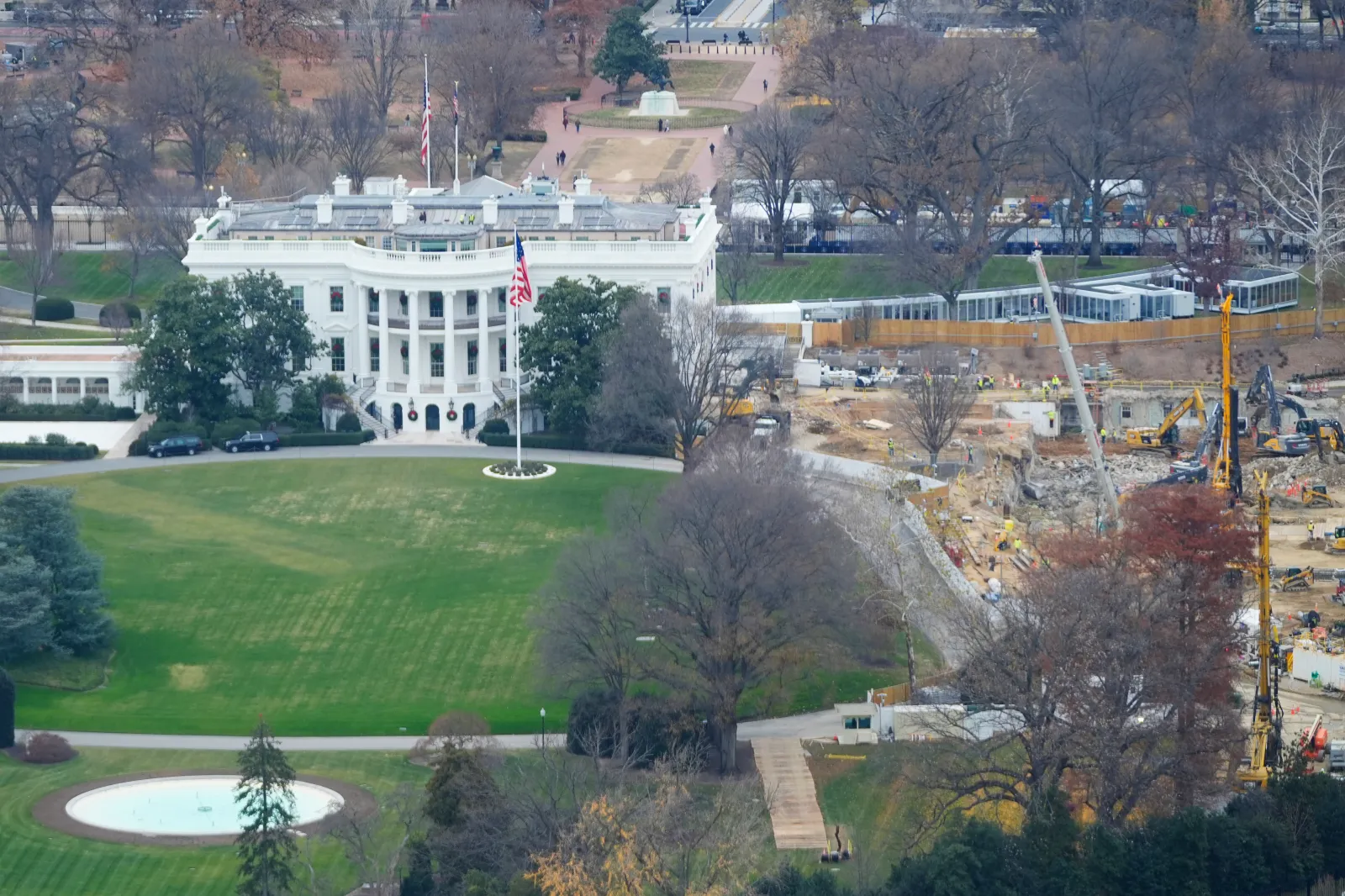
The White House has unveiled an eight-week timeline to secure approval for President Donald Trump’s proposed East Wing ballroom, even as one federal review panel told The Washington Post it has yet to receive required building plans.
Why It Matters
The $400 million ballroom fight raises questions about presidential power, preservation, and public oversight of changes to America’s most symbolic residence. Advocates fear that failure to follow established legal processes for federal development could set a precedent for unchecked modifications of protected sites.
Read More

...
What To Know
A White House official told Newsweek Thursday they had submitted applications on December 22 to the National Capital Planning Commission (NCPC) and the Commission of Fine Arts (CFA), following a December 17 court order directing the administration to begin consultations by year’s end. Staff-level meetings with both commissions occurred on December 19, accompanied by conceptual renderings first released in July.
However, while CFA Secretary Thomas Luebke confirmed with Newsweek receipt of an application, the NCPC said Tuesday it had not yet received the submission, according to The Washington Post. Newsweek emailed the NCPC for comment and clarification Thursday morning.
The Timeline
The administration plans to move the project through approvals in roughly two months:
- January 8: Informational presentation for NCPC
- January 15: Presentation for CFA
- January 30: NCPC final submission due
- February 19: CFA final presentation
- March 5: NCPC final presentation
Officials told The Washington Post above-ground construction will not begin before April, contingent on commission approvals.
Legal and Preservation Battles
The accelerated schedule follows U.S. District Judge Richard J. Leon’s order requiring engagement with oversight bodies.
Leon declined to issue an immediate injunction, allowing below-ground construction to continue while limiting other work. He stated that after the required plans are filed with oversight bodies—including the NCPC and the CFA—he will revisit whether the government is following correct legal and procedural protocols.
He signaled that irreversible construction done outside the review process could lead to a court order requiring the government to "take it down."
Preservation advocates, including the National Trust for Historic Preservation, argue the White House has "broken the rules first and asked for permission later," citing demolition and site work that began months ago without public review.
The administration counters that meeting with commission staff and submitting conceptual plans satisfies the court’s directive, even though detailed blueprints remain outstanding.
Newsweek emailed the National Trust for comment early Thursday.
...
What People Are Saying
Commission of Fine Arts Secretary Thomas Luebke in an email to Newsweek regarding next steps: "The Commission members may decide not to take an approval action on concept submissions and ask for revisions, but eventually a concept approval action is required."
Attorney General Pam Bondi wrote in a December 16 post on X: "Today @TheJusticeDept attorneys defeated an attempt to stop President Trump’s totally lawful East Wing Modernization and State Ballroom Project. President Trump has faced countless bad-faith left-wing legal attacks—this was no different. We will continue defending the President’s project in court in the coming weeks."
The National Trust's lawsuit said: "No president is legally allowed to tear down portions of the White House without any review whatsoever—not President Trump, not President Biden, and not anyone else."
**The administration said in a filing on December 15: "**The President possesses statutory authority to modify the structure of his residence, and that authority is supported by background principles of Executive power."
What Happens Next
All eyes now turn to January 8, when the White House plans to give an "information presentation" to the National Capital Planning Commission. This session won’t include a formal vote or public testimony, but it marks the first step in the review process the court demanded. It will come after weeks of excavation and below-ground work that critics say could dictate the building’s final form.
A preliminary injunction hearing is slated for later in January. If granted, the injunction would immediately halt all work on the ballroom until the legal dispute is resolved.
Lawmakers, meanwhile, continue pressing for transparency on donor funding. Connecticut Democratic Senator Richard Blumenthal has demanded details on contributors—many of whom have business before the administration—warning that Americans deserve clarity on "who is funding the most substantial construction project at the White House in recent history."
Update, 01/01/2026, 11:52 a.m. ET: This article was updated with additional information.
Update, 01/02/2026, 11:07 a.m. ET: This article was updated with additional information.
View 0 Comments
Submit Correction
View Editorial & AI Guidelines