...


By Robert Birsel and Gabe Whisnant
0
Share
Newsweek is a Trust Project member
See more of our trusted coverage when you search.Prefer Newsweek on Googleto see more of our trusted coverage when you search.
U.S. President Donald Trump said Thursday that Kazakhstan will join the Abraham Accords, the first nation of his second term to do so and a “major step toward peace," he said on Truth Social.
Newsweek contacted Kazakhstan's Ministry of Foreign Affairs for comment via email after office hours.
Why It Matters
The U.S. sees Middle East stability as crucial to global security. The Abraham Accords, normalizing relations between Israel and Arab nations, could help reduce tensions, promote cooperation and strengthen American allies in the region.
Read More on News
Trump has highlighted the Abraham Accords, negotiated during his first term, as a vital diplomatic framework in his attempts to rally support among Muslim-majority countries, for his efforts to end Israel's war in Gaza.
What To Know
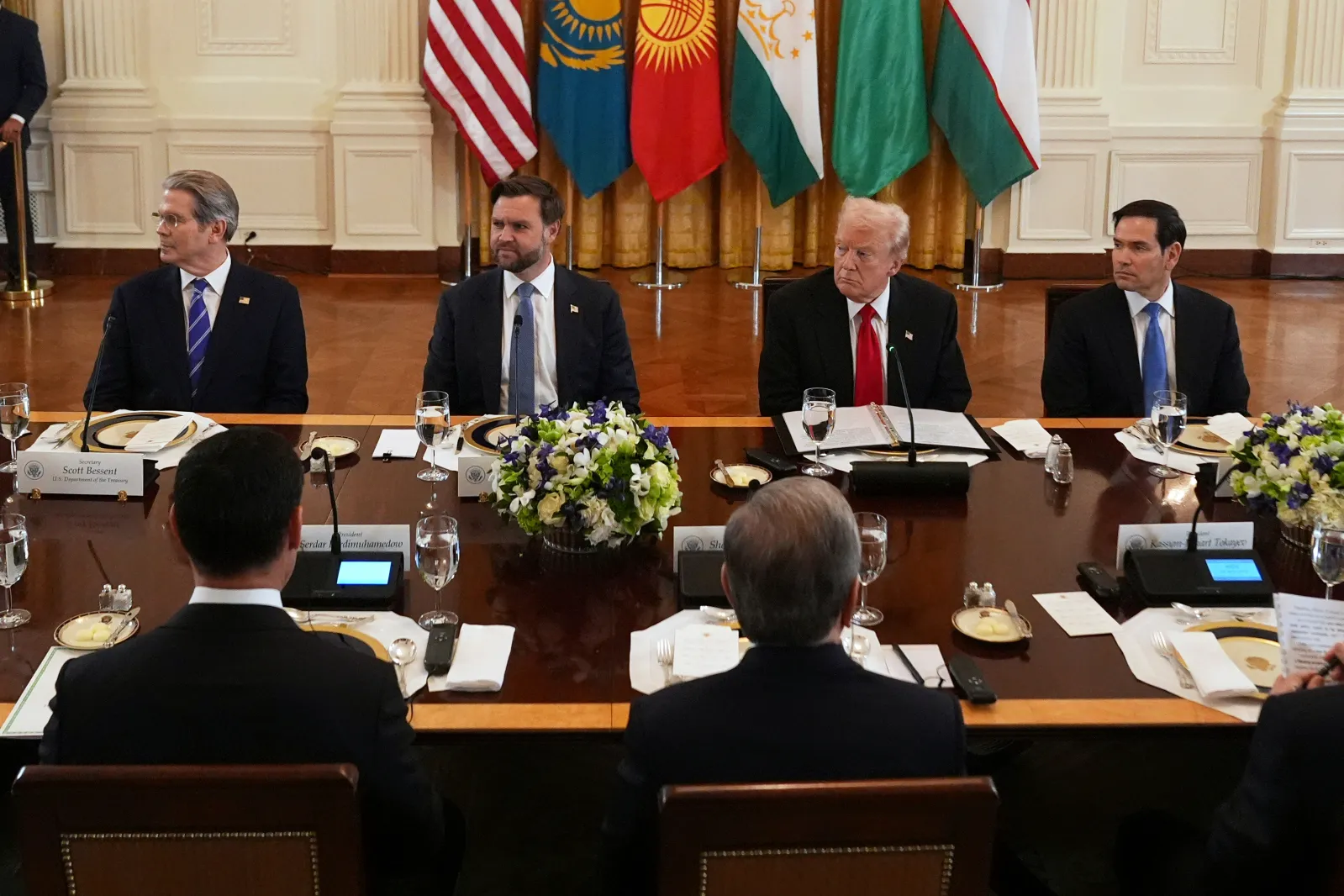
Trump said he held a call with Israeli Prime Minister Benjamin Netanyahu and Kazakh President Kassym-Jomart Tokayev to discuss the agreement, which he framed as part of his broader effort to expand diplomatic ties between Israel and Muslim-majority nations.
“Kazakhstan is the first Country of my Second Term to join the Abraham Accords, the first of many. This is a major step forward in building bridges across the World,” Trump said on Truth Social. “Today, more Nations are lining up to embrace Peace and Prosperity through my Abraham Accords. We will soon announce a Signing Ceremony to make it official, and there are many more Countries trying to join this club of STRENGTH. So much more to come in uniting Countries for Stability and Growth — Real progress, real results.”
In 2020, the Abraham Accords saw Israel under Netanyahu normalize relations with the United Arab Emirates, Bahrain and Morocco. Sudan joined in 2021.
However, most other Arab and Muslim-majority countries still demand an independent Palestinian state based on the borders before the 1967 Middle East War, with East Jerusalem as its capital, before considering normalization.
Progress on advancing the Abraham Accords took a blow with the Hamas attack of Israel on October 7, 2023, in which about 1,200 people were killed and more than 200 taken hostage. Israel's subsequent war against Hamas resulted in more than 65,000 Palestinian deaths, but the Arab countries that signed on for the Abraham Accords did not withdraw despite the bloodshed.
Trump has said he hopes the Gaza peace deal he brokered last month will clear the way for more Arab and Muslim-majority countries signing up for the accords and providing a foundation for peace in the Middle East.
What People Are Saying
Trump, in a speech to the Israeli parliament in Jerusalem on October 13, referring to the administrations of former U.S. Presidents Joe Biden and Barack Obama: “They did nothing with this incredible document, the Abraham Accords. But now you can fill them up. Now you have peace. You have people that really like Israel. I’ll tell you what, and they like Israel a lot more today than they did even five weeks ago.”
Trump, later in the speech: “It’s my firm hope and dream, frankly, that together the Abraham Accords will turn out to be everything that we thought they would.”
What Happens Next
Trump said more countries were seeking to sign up for the Abraham Accords. Steve Witkoff, Trump's special envoy to the Middle East, in February voiced hope that Lebanon and Syria could join. Getting Saudi Arabia to agree would be a huge victory for Trump, but the kingdom has repeatedly said a decision to join would depend on a path to sovereignty for the Palestinians.
...
View 0 Comments
Submit Correction
View Editorial & AI Guidelines