...


By Gabe Whisnant and Hollie Silverman
0
Share
Newsweek is a Trust Project member
See more of our trusted coverage when you search.Prefer Newsweek on Googleto see more of our trusted coverage when you search.
The Islamic Revolutionary Guard Corps (IRGC) claimed a strike on a U.S. vessel on Monday, just hours after President Donald Trump said the United States' talks with Iran are continuing “at a rapid pace.” The strike came as Tehran signaled it had suspended negotiations.
The MSC Sariska V container ship, a Panama-flagged vessel with ties to the U.S., was struck with a cruise missile following an attack on an Iranian ship near Oman, according to reports from Al Jazeera, citing Iranian media. The vessel was hit with a projectile around 40 nautical miles southeast of Umm Qasr, according to the United Kingdom Maritime Trade Operations (UKMTO), the outlet reported.
Newsweek reached out to CENTCOM by email Monday for comment. When reached by email, the Pentagon referred Newsweek to CENTCOM.
Read More on World
The conflicting accounts from Trump and the IRGC underscore rising uncertainty around efforts to de-escalate the broader Middle East conflict. The diplomatic rift could complicate ceasefire efforts tied to Israel’s ongoing offensive in Lebanon against Hezbollah and raises questions about whether negotiations will stall or collapse.
Iranian state-linked media reported earlier that talks were halted in protest over Israeli military action in Lebanon, while Trump said Washington had not been formally notified.
Trump’s remarks came in a series of posts on Truth Social, where he also claimed Israel and the Iran-backed Hezbollah militant group had agreed to halt hostilities following separate contacts. He described a “very productive” call with Israeli Prime Minister Benjamin Netanyahu and said messages relayed through intermediaries secured a commitment from Hezbollah to stop firing.
“I had a very productive call with Prime Minister Bibi Netanyahu...there will be no Troops going to Beirut,” Trump wrote, adding that forces already en route had been turned back. He also said Hezbollah had agreed “that all shooting will stop — That Israel will not attack them, and they will not attack Israel.”
...
Netanyahu Says He Won't Back Down if Hezbollah Attacks Continue
Neither Israel nor Hezbollah immediately confirmed Trump’s account, which surfaced as fighting continued along the Israel-Lebanon border. Israel has ordered strikes on Beirut’s southern suburbs, citing repeated ceasefire violations, while Hezbollah has fired rockets into northern Israel.
Separately, Israeli Prime Minister Benjamin Netanyahu said his government would not stand down if attacks persist. In a post on X, he wrote: “Tonight, I spoke with President Trump and told him that if Hezbollah does not cease attacking our cities and citizens, Israel will strike terror targets in Beirut. This stance remains unchanged, and the IDF will continue operating as planned in southern Lebanon.”
The escalation in Lebanon has become a central sticking point in U.S.-Iran diplomacy, with Tehran insisting that any broader ceasefire agreement must include a halt to hostilities involving its regional allies. Iranian officials have accused the U.S. of bearing responsibility for violations of the truce, pointing to Israel’s military operations as a breach of conditions tied to ongoing negotiations.
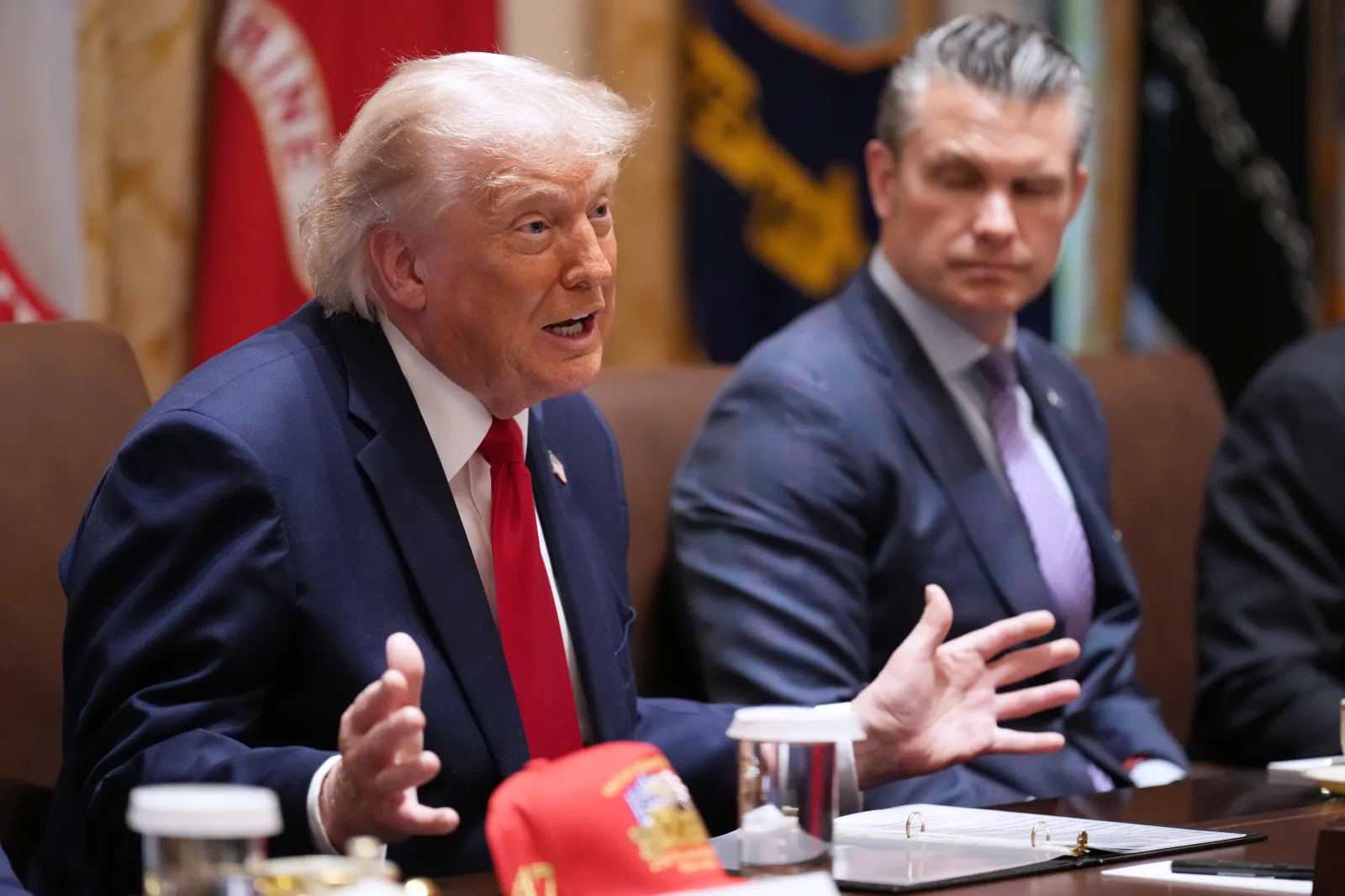
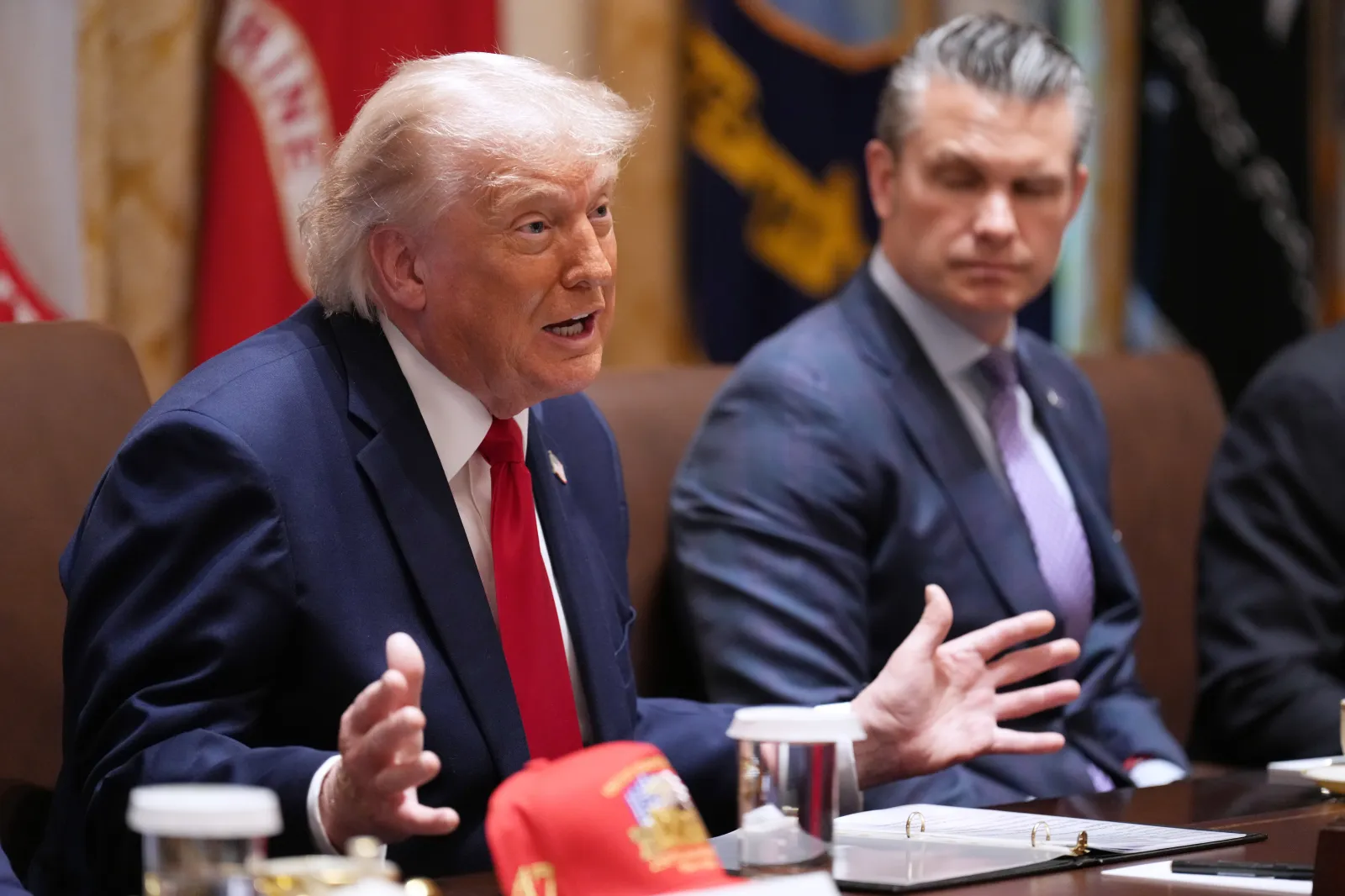
Trump, however, signaled he was not overly concerned about reports that talks had been paused.
“If they don’t want to talk, that’s OK with me,” Trump told NBC News. “I think it’s fine. I don’t particularly want to talk either. We talk too much. It’s an appropriate thing to say, because they’re better negotiators than they are fighters. But they haven’t informed us of that.”
Trump's remarks came after the U.S. said Monday it carried out strikes on Iranian radar and drone sites after Iran shot down an American drone over the weekend, while Tehran said it responded by targeting U.S. troops in Kuwait with missiles that Washington said were intercepted.
A fragile ceasefire between the two sides has been repeatedly tested by tit-for-tat attacks, even as officials continue negotiations aimed at ending the conflict. It remains unclear how close the sides are to reaching a deal, and officials have warned that further military action could quickly derail diplomatic efforts.
Ceasefire Claims Collide With Israel's Lebanon Attacks
Despite Trump’s assertion that Israel and Hezbollah had agreed to halt hostilities, developments on the ground quickly cast doubt on the durability of any such understanding. Israeli officials said strikes on Beirut’s southern suburbs were ordered in response to what they described as repeated ceasefire violations by Hezbollah, while the militant group continued launching rockets into northern Israel.
The renewed exchanges highlighted the gap between diplomatic messaging and battlefield realities, with civilians in Lebanon again caught in the middle. Residents fled affected areas as Israeli warnings of further strikes prompted evacuations, underscoring the volatility of the situation even as Washington sought to project progress on multiple fronts.
Regional leaders and international observers have raised concerns that continued escalation in Lebanon could derail broader efforts to stabilize the conflict, particularly as negotiations between Israel and Lebanon were set to continue in Washington. Hezbollah has rejected direct participation in the talks, instead relying on Iran to press its demands, adding another layer of complexity to already fragile diplomacy.

...
Iran Ties Lebanon Fighting to Broader Deal
Tehran has made clear that any agreement with the United States must encompass not only its own ceasefire with Washington but also an end to hostilities involving its regional allies. Iranian officials have warned that violations in Lebanon would be treated as breaches of the broader ceasefire framework, signaling little willingness to separate the two conflicts.
That position complicates U.S. efforts to reach even an interim understanding, as Washington has indicated it does not expect Israel to halt retaliatory strikes so long as Hezbollah continues attacks. The divergence underscores deep mistrust between the parties and suggests that even limited progress could prove difficult to sustain.
U.S. officials have floated proposals aimed at reducing tensions, including commitments by Hezbollah to stop attacks and assurances that Israel would avoid expanding operations into Beirut. However, key figures in Lebanon’s leadership have insisted that Israeli military action must cease first, reflecting internal divisions over how to proceed.
The coming days are likely to test whether diplomacy can keep pace with events on the ground. With negotiations ongoing and military activity continuing, the outlook remains uncertain, with the risk that any breakdown could further widen the conflict rather than contain it.
View 0 Comments
Submit Correction
View Editorial & AI Guidelines