
...

By Steve Mollman
News Editor
0
Share
Newsweek is a Trust Project member
See more of our trusted coverage when you search.Prefer Newsweek on Googleto see more of our trusted coverage when you search.
President Donald Trump said Iran will not be allowed to charge tolls on ships transiting the Strait of Hormuz after a 60-day negotiation period tied to the interim agreement to end the war, adding that if talks collapse, the United States would be justified in imposing its own tolls as compensation for security provided in the region.
On Sunday, Fox News correspondent Trey Yingst said he spoke with the president and that Trump told him the U.S. “may take over the strait in the future” and collect tolls. Yingst said Trump indicated the plan could involve the U.S. taking “20 percent of the oil that passes through the strait.”
That followed Trump posting to Truth Social on Saturday:
Read More on News
"There will be NO TOLLS in the Hormuz Strait for 60 days during the Cease Fire Period, and there will be NO TOLLS after the 60 day period has expired, unless they are imposed by and for the United States of America, should the deal not be completed, for services rendered as the Guardian Angel to the countries of the Middle East for purposes of both past, present, and future reimbursement of costs."
The comments mark a new flashpoint in negotiations over the strait, a critical oil corridor that operated toll-free before the war began in late February but has since become a point of leverage for both sides. The interim agreement reached last week between Washington and Tehran includes a halt to fighting across multiple fronts and toll-free passage during the 60-day period. But the two sides now diverge on what happens next. With U.S.-Iran talks taking place in Switzerland on Sunday, the dispute over who controls—and potentially profits from—the waterway has become an early test of whether the wider deal can hold.
Why the Strait of Hormuz Matters
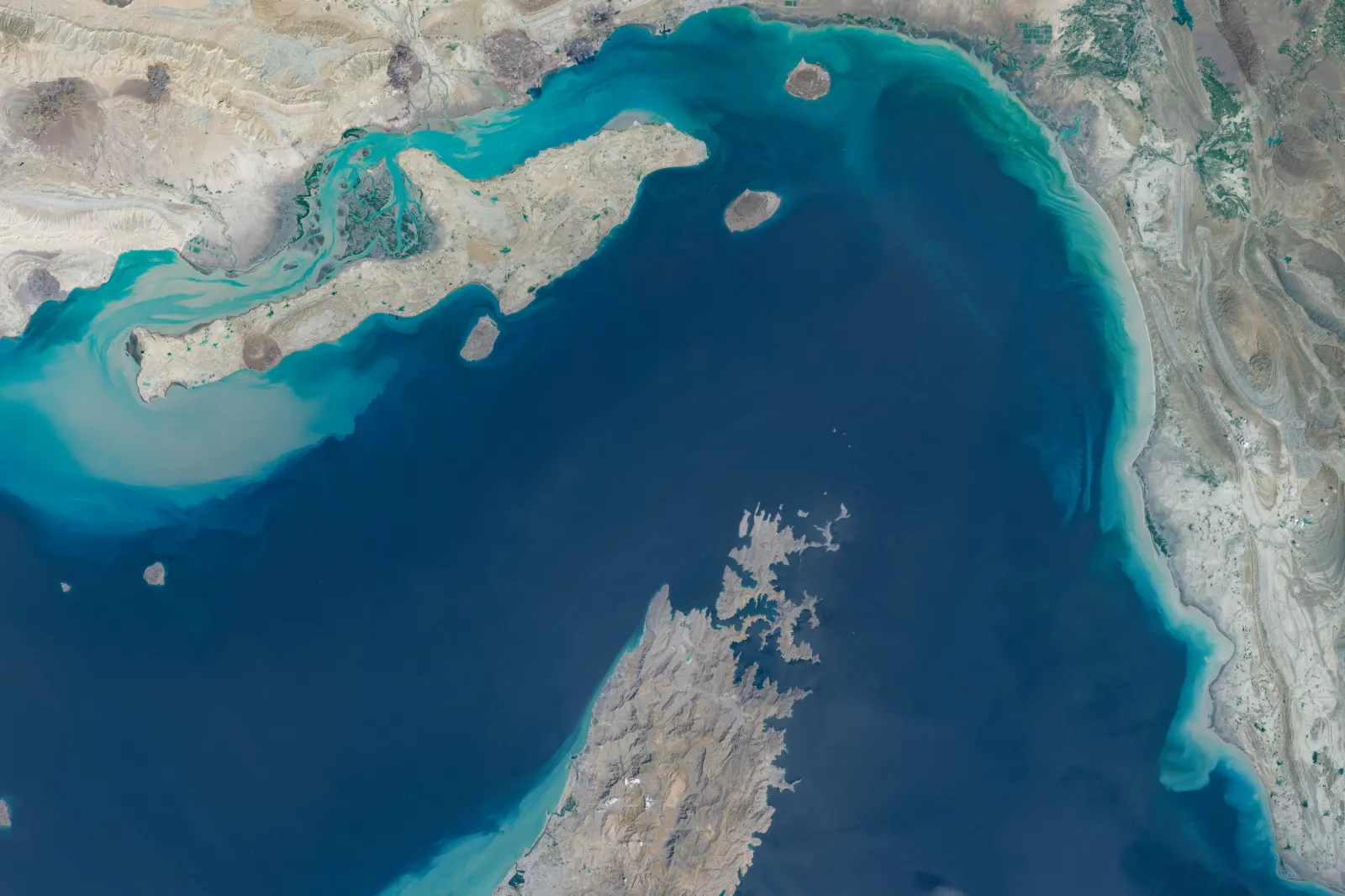
The Strait of Hormuz carries a large share of the world’s seaborne oil and gas and is one of the most strategically important waterways on the planet. Before the conflict, vessels passed through without fees or tolls, consistent with widely accepted international practice.
...
That changed after the war began on February 28, when U.S. and Israeli strikes on Iran triggered a regional escalation. Tehran responded in part by tightening control over maritime access, disrupting traffic and raising global energy concerns. The waterway quickly became central to both military strategy and diplomatic bargaining.
Iran Fee Plan
The interim agreement states that Iran will not charge ships during the 60-day negotiation window. The dispute centers on what happens afterward. Trump has made clear the U.S. position that the strait should remain toll-free. Iranian officials, by contrast, have indicated the suspension of charges is temporary and tied only to the negotiating window. That split has become one of the clearest gaps between the two sides.
...
Iran has already begun building a structure to support its position. It has established a regulatory body to oversee ship movements and administer transit-related payments, effectively formalizing control over access to the strait.
Iranian officials have described any future charges as fees for services—such as navigation support, security and environmental protection—rather than formal tolls. Oman has been part of discussions over how those services could be coordinated, with the Gulf state, located across the strait from Iran, expected to play a role in defining how traffic is managed after the 60-day period ends.
That position puts Tehran on a direct collision course with Trump’s stance, which rejects any Iranian-imposed charges and leaves open the idea—raised Saturday—that the U.S. could claim compensation if talks break down.
Talks Face Early Risks
Negotiators will meet Sunday to begin technical discussions on a final agreement, focusing on unresolved issues including sanctions, security arrangements and the future of shipping through Hormuz.

...
Even before those talks begin, the interim agreement has faced an early test. Iranian military officials said the strait had been closed again, citing what they described as violations of the deal, while U.S. officials pushed back and said traffic continued to move through the waterway.
That dispute comes alongside renewed fighting in Lebanon between Israel and Iran-backed Hezbollah, which both sides have accused of breaching terms tied to the interim agreement. The deal depends on a halt in hostilities across multiple fronts, meaning escalation there could quickly spill over into the U.S.-Iran track.
The question of how the Strait of Hormuz will be governed—and whether it will remain toll-free—now sits at the center of a deal whose outcome could shape both regional stability and global energy flows.
View 0 Comments
Submit Correction
View Editorial & AI Guidelines