...

By Gabe Whisnant
News Editor
0
Share
Newsweek is a Trust Project member
See more of our trusted coverage when you search.Prefer Newsweek on Googleto see more of our trusted coverage when you search.
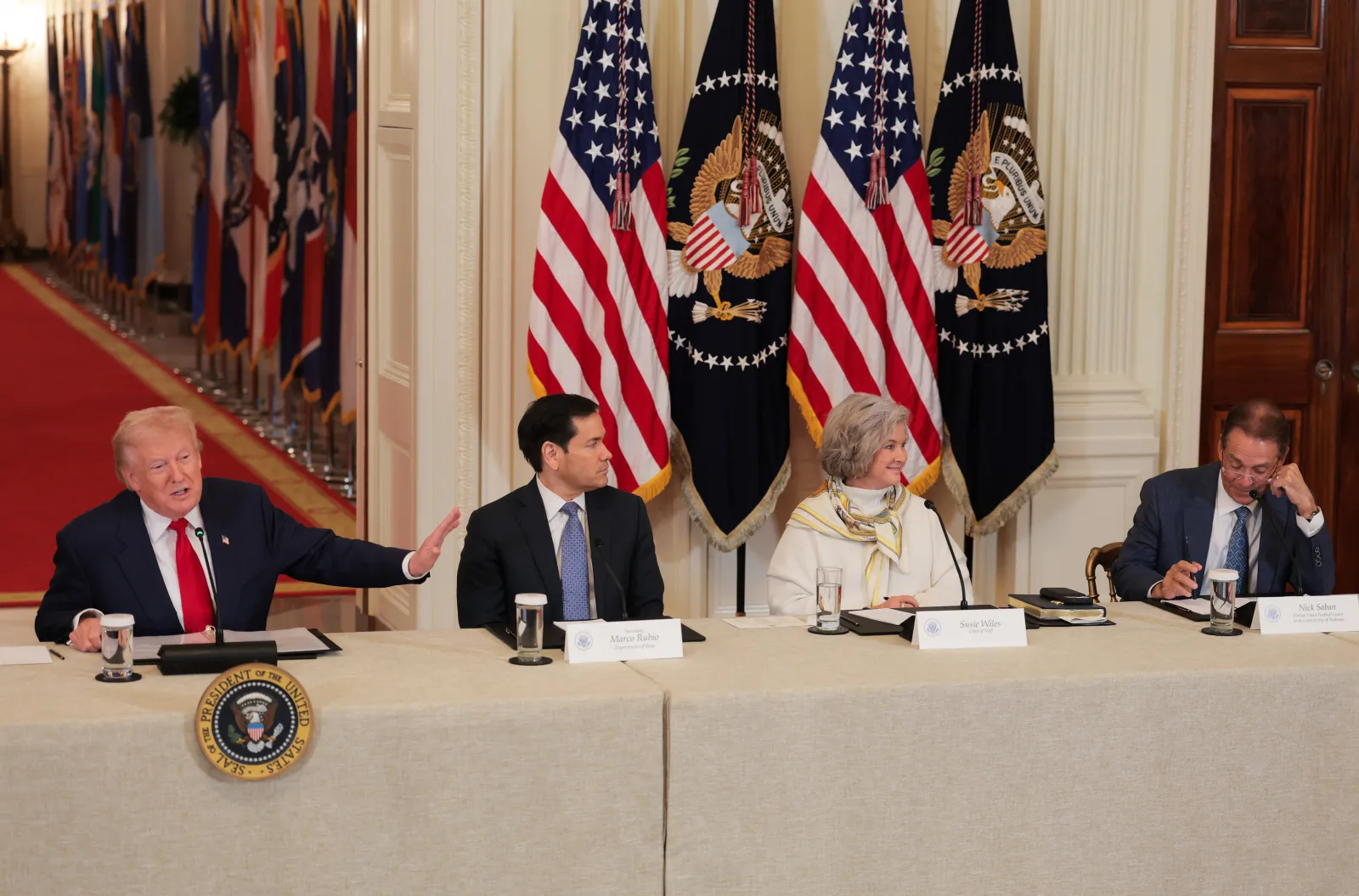
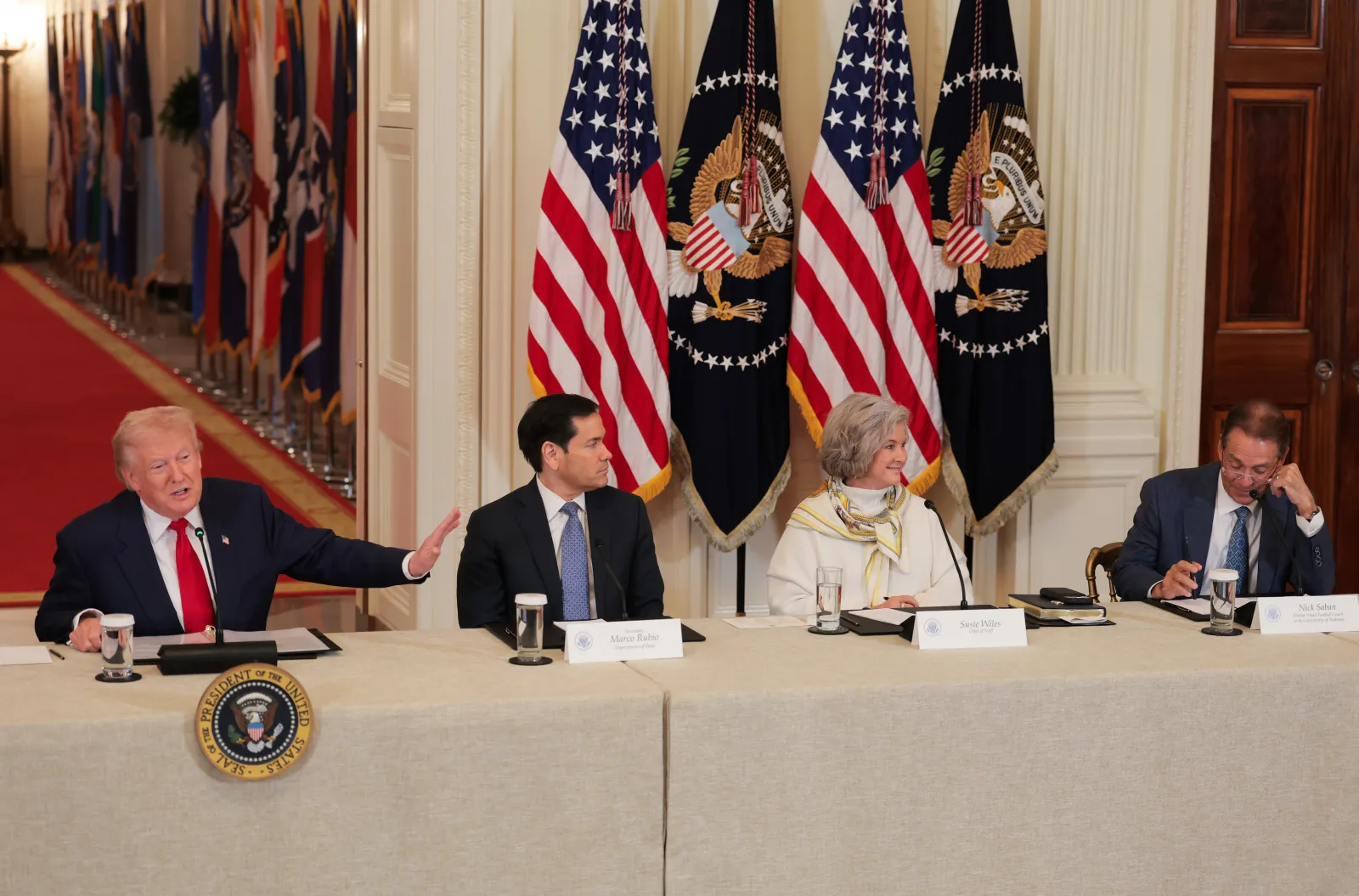
President Donald Trump signed an executive order Friday aimed at overhauling college athletics, a move that would give federal agencies new leverage to pressure schools into complying with rules on transfers, eligibility and athlete compensation by tying compliance to federal funding.
The order directs agencies to evaluate whether violations of those rules could render a university unfit for federal grants and contracts, a step that could carry significant consequences for schools that rely heavily on government support. The White House framed the order as an attempt to restore “order, fairness and stability” to a rapidly changing industry that has been reshaped by legal challenges and a $2.8 billion settlement that dismantled long‑standing amateurism restrictions.
Push for Eligibility Limits and Transfer Rules
Among the most notable elements of the order is a call for “clear, consistent and fair eligibility limits,” including a five‑year participation window for athletes. Supporters say such a standard could reduce the flood of litigation the NCAA has faced as players challenge restrictions after transferring multiple times.
Read More on U.S.
The order, which dropped ahead of the NCAA men's basketball Final Four weekend, also calls for “structured transfer rules” to promote academic and athletic continuity. However, it offers few specifics, leaving open questions about how such rules could be enforced in an era when athletes can change schools freely—even midseason—a dynamic that many administrators say has made roster building unpredictable and unsustainable.
...
Pay‑for‑Play, Revenue Sharing and Athlete Welfare
The executive order could significantly reshape name, image and likeness (NIL) deals by targeting booster‑backed collectives and pay‑for‑play arrangements that have flourished since the NCAA loosened its restrictions. It calls for banning improper financial agreements tied to recruiting and urges federal agencies to evaluate whether schools that allow such practices could jeopardize their eligibility for federal grants and contracts. Legal experts say that approach could pressure universities to more closely police NIL activity, even as federal court rulings have limited the NCAA’s authority to enforce restrictions on athlete compensation.
At the same time, the order signals broader scrutiny of how revenue sharing is handled across college sports, backing models that protect opportunities in women’s and Olympic programs. Supporters say that language reflects concern that the evolving financial landscape has concentrated money in football and men’s basketball, potentially squeezing non‑revenue sports. Critics, however, question how new federal guidance would interact with existing NIL and revenue‑sharing contracts already signed with athletes, raising uncertainty over how—or whether—schools would be expected to adjust current agreements.
Enforcement Across Federal Agencies
Beyond rulemaking, the order directs the General Services Administration and Department of Education to expand data collection across college athletics to monitor compliance. It also calls on the Federal Trade Commission and Justice Department to pursue enforcement actions where appropriate, signaling a more aggressive federal role in policing the industry.
Trump also urged Congress to “quickly” pass legislation addressing college sports governance, an acknowledgment that executive action alone cannot resolve the legal uncertainty surrounding the NCAA and its member schools. Similar efforts in Congress have stalled repeatedly amid disagreements over athlete rights and antitrust protections.
Legal Tensions and Likely Court Challenges
The order is likely to face legal scrutiny. At a college sports roundtable last month, Trump acknowledged any executive action could prompt lawsuits. Attorney Mit Winter, who specializes in college sports law, said the order appears to direct actions that conflict with existing federal court rulings.
Those rulings prohibit the NCAA from forcing athletes to sit out after multiple transfers and from restricting the role of collectives in recruiting. Winter said the order could put schools and the NCAA in the difficult position of choosing between following court orders or an executive mandate.
“Either way,” Winter said, “we’re likely going to see litigation challenging the executive order.”
NCAA Response and Uncertain Path Forward
NCAA President Charlie Baker stopped short of criticizing the order, saying it reinforces several existing protections, including health care coverage, mental health services and scholarship safeguards. He said meaningful reform will still require bipartisan legislation from Congress.
As the landscape continues shifting, Trump’s order sets the stage for a high‑stakes clash among athletes, universities, federal regulators and the courts—one that could determine how college sports are governed for years to come.
This article includes reporting by the Associated Press.
View 0 Comments
Submit Correction
View Editorial & AI Guidelines