...

By Jesus Mesa
Reporter
0
Share
Newsweek is a Trust Project member
See more of our trusted coverage when you search.Prefer Newsweek on Googleto see more of our trusted coverage when you search.
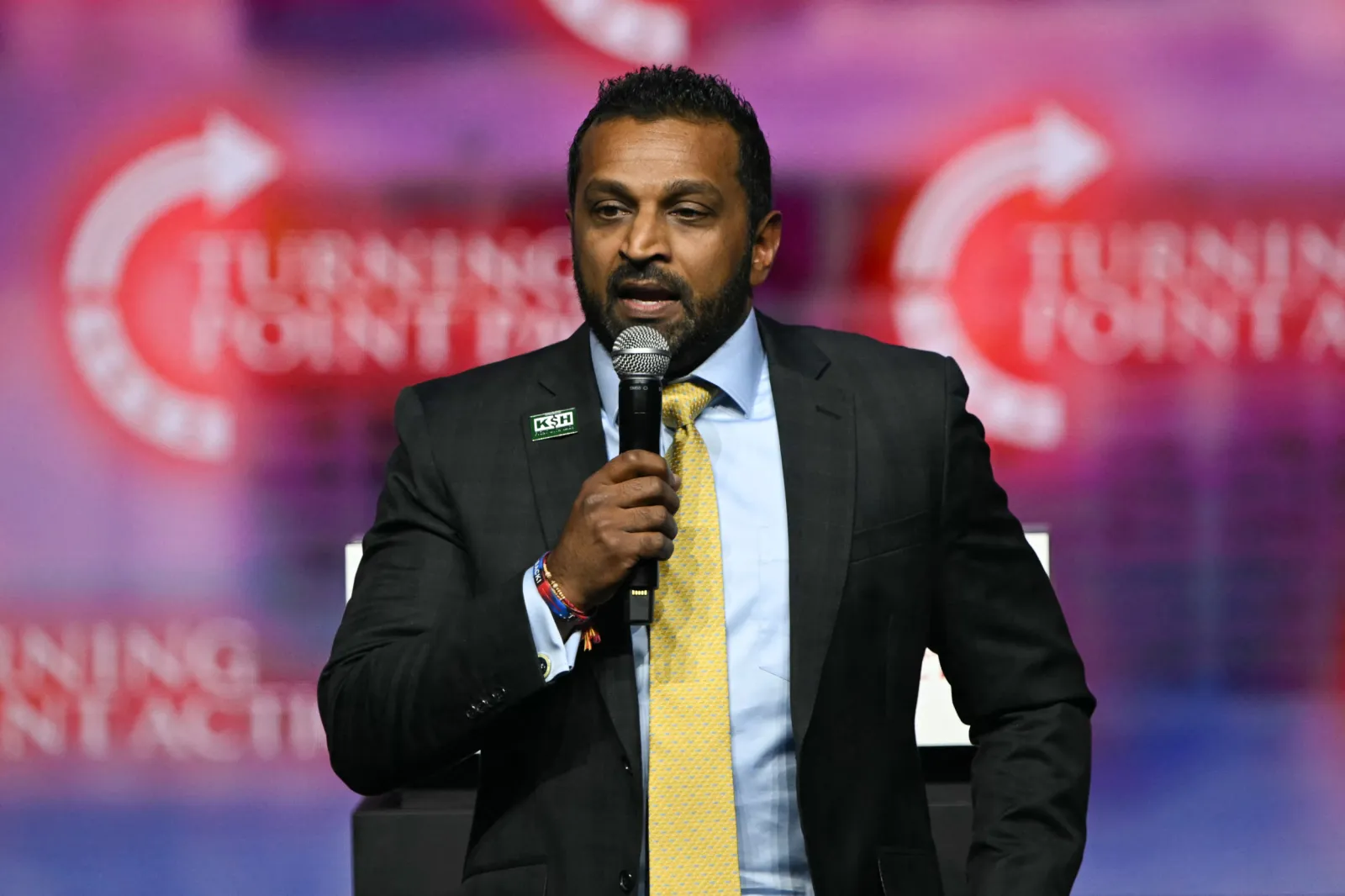
Critics of President-elect Donald Trump could leverage legal protections against potential prosecutions led by Kash Patel, should he become FBI director, a legal analyst has suggested.
Patel, a longtime ally of Trump who he has nominated to be the next FBI director, has drawn intense scrutiny for his public vows to target those he accuses of undermining the former president. Paul Rosenzweig, a lawyer and cybersecurity expert, writing for The Bulwark, warned that Patel's rhetoric might render such prosecutions vulnerable to dismissal.
"Patel has already identified who needs to be prosecuted and what their crimes appear to be—all without the benefit of having conducted a criminal investigation," Rosenzweig, who formerly served as Deputy Assistant Secretary for Policy in the Department of Homeland Security, said.
Read More
Republican Calls Fears Liz Cheney May Be Trump Admin Target ‘Nonsense’4 min read

Matt Gaetz Praises Three Different Democrats Within 24 Hours3 min read

Gavin Newsom Responds After 7.0 Earthquake Hits California3 min read

He argues that Patel's approach risks being classified as vindictive prosecution, which is illegal under U.S. law if shown to stem from retribution rather than legitimate criminal grounds.
...
Rosenzweig highlighted multiple instances where Patel openly expressed intent to punish perceived adversaries. For example, in his book Government Gangsters, Patel named individuals he deemed guilty of betraying Trump and declared their need for imprisonment.
Such declarations, Rosenzweig explained, create a "motion to dismiss [that] almost writes itself," providing defendants with strong evidence of retributive intent.
Patel's threats also include targeting members of the media. The Trump ally has vowed to hold media figures accountable through criminal or civil proceedings. In an interview last year with former Trump administration official Steve Bannon, Patel repeated falsehoods about President Joe Biden and a stolen election.
"We're going to come after the people in the media who lied about American citizens, who helped Joe Biden rig presidential elections," Patel said. The same applies for supposed "conspirators" inside the federal government, he said.
Numerous audits and recounts of the 2020 presidential election have shown Biden defeated Trump. Dozens of legal challenges to the election results failed in state and federal courts, including when arguments were heard by judges appointed by Trump.
Legal experts caution that the vast majority of published work in the U.S. falls under protections afforded by the First Amendment, making successful prosecutions unlikely.
Nadine Strossen, a constitutional law expert with the Foundation for Individual Rights and Expression, highlighted the First Amendment's strong protections for press freedom. "Government punishment of disinformation is fundamentally antithetical to democracy," she wrote in an op-ed on the group's website.
Despite Patel's and Trump's threats, some Republicans have said that the new administration will not go after political rivals.
"This is nonsense," Representative Dan Meuser, a Pennsylvania Republican, said in an interview with Newsmax this week. "Nobody is going to be going after [former GOP Representative] Liz Cheney [of Wyoming] and some of the other people that they've mentioned along the way."
Cheney became one of Trump's staunchest critics in the wake of the 2020 election, repeatedly describing him as a threat to democracy. The president-elect has previously suggested that Cheney should be imprisoned.
Nevertheless, experts note that Patel's approach might focus on using civil lawsuits or laws like the Espionage Act to target leakers of classified information, a tactic not directly implicating press freedoms but potentially chilling journalistic activity. Analysts also warn that such efforts, even if unsuccessful, could impose significant financial and emotional tolls on those targeted.
Patel's nomination as FBI director must first clear Senate confirmation, a process that legal experts predict will be fraught with controversy. Critics point to his history of supporting Trump's election fraud claims and his divisive efforts to discredit the so-called "Deep State."
"Dismissal of any indictments may be some surcease," Rosenzweig concluded, "but it will be cold comfort indeed to those whom Patel and Trump target."
View 0 Comments
Submit Correction
View Editorial & AI Guidelines