10
Loading video...

By Hannah Parry
Associate News Editor
0
Share
Newsweek is a Trust Project member
See more of our trusted coverage when you search.Prefer Newsweek on Googleto see more of our trusted coverage when you search.
The Trump administration has revoked more than 175,000 U.S. visas during the first 18 months of its second term, a figure that is more than four times the number of visas revoked during President Joe Biden’s final full year in office.
Biden's State Department revoked approximately 40,000 visas in 2024—less than half the 100,000 revocations under Trump's first year back in office as his administration continues its aggressive immigration enforcement and screening campaign. With another 75,000 already reported this year, the figure in 2026 could be even higher.
“Under President Trump and Secretary Rubio’s leadership, the State Department will continue to identify, investigate, and revoke the visas of foreign nationals who threaten the safety of the American people,” Trump's State Department said in a statement on Monday. “A U.S. visa is a privilege, not a right.”
Read More on Politics
Trump's State Department says the revocations have resulted from a range of circumstances, including criminal conduct, immigration violations, fraud and national-security concerns. Most of the revocations followed what the department described as “law enforcement encounters,” with assault, driving under the influence, theft and drug offenses among the leading causes.
However, it also confirmed it had revoked visas belonging to foreign nationals who celebrated the assassination of conservative activist Charlie Kirk, including one person who posted that Kirk “died too late," sparking freedom of speech concerns from human rights groups and critics. The administration has also revoked visas in cases involving what it describes as immigration fraud and “birth tourism,” as well as cases involving foreign nationals whose conduct officials say raised national-security or public-safety concerns.
Related Story

Thank You for Your Service…Now Get Out of America
The U.S. State Department does not maintain a consistent, publicly reported annual tally of visa revocations, making it difficult to determine how the current figure compares with the total number of revocations during Trump’s first term or Barack Obama's presidency. However, independently reported figures from the second Trump administration and Biden's in 2024 shows that visa revocations are occurring at a much higher rate under Trump.
While Biden has not publicly commented on visa revocations, under his term or any other presidents, Trump has repeatedly argued that admission to the U.S. is a "privilege granted by our government, not a guarantee."

...
Critics Raise Free Speech Concerns
Civil liberties groups and immigration advocates have criticized some of the Trump administration's visa actions, particularly cases involving foreign students and academics whose political activism or speech became part of the government's scrutiny.
One of the most prominent cases involved Rümeysa Öztürk, a Turkish doctoral student at Tufts University. Her visa was revoked after she co-authored an opinion article criticizing Tufts' response to the war in Gaza. She was subsequently detained by immigration authorities.
In February 2026, an immigration judge terminated removal proceedings against Öztürk after determining that the Department of Homeland Security (DHS) had failed to establish legal grounds to deport her.
The American Civil Liberties Union, which represented Öztürk, said documents released during the case indicated that the government had targeted her because of the opinion article.
“Today, I breathe a sigh of relief,” Öztürk said after the proceedings were terminated, adding that her case could “give hope to those who have also been wronged by the U.S. government.”
Related Story
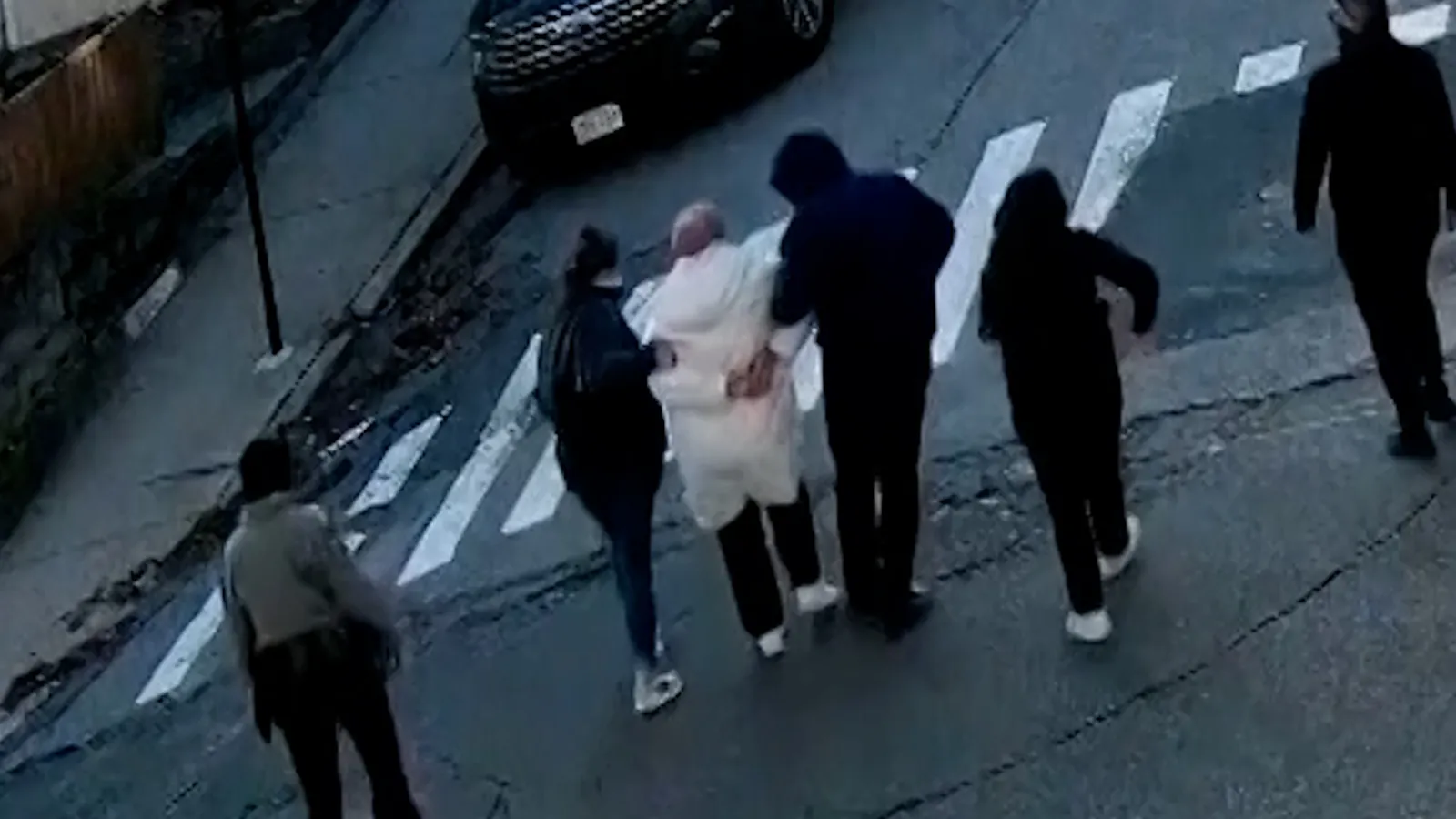
Who Is Rumeysa Ozturk? Tufts University Student Detained by ICE
The broader legal debate has centered on whether the government can use immigration authorities to penalize noncitizens for political expression that would otherwise be protected by the First Amendment.
Veena Dubal, general counsel of the American Association of University Professors, said the issue extends beyond any particular dispute over the Israel-Gaza war.
“A central premise of freedom in the United States is freedom to speak our minds, without fear of state reprisal,” Dubal told The Boston Globe.
The Federation of American Scientists has also noted that lawsuits challenging the administration's policies argue that visa restrictions based on protected speech could violate the First Amendment and that the government's standards could invite discriminatory enforcement.
The administration has rejected the characterization that it is generally revoking visas simply because of political viewpoints, arguing that foreign nationals can lose their immigration privileges when their conduct implicates national security or other grounds established under immigration law.
Another case that drew attention involved Rasha Alawieh, a Brown University physician and assistant professor who held an H-1B work visa.
Alawieh was detained at Boston's Logan International Airport after returning from Lebanon in March 2025. Government lawyers later said authorities had found what they described as “sympathetic photos and videos” of Hezbollah figures on her phone and that she had attended the funeral of Hezbollah leader Hassan Nasrallah. Alawieh told authorities she supported Nasrallah from a religious perspective rather than politically, according to court filings.
Alawieh's attorneys challenged her removal, and a federal judge issued an order barring her immediate deportation. She was nevertheless flown out of the country. The government said the officials responsible for her departure had not received the court order before the flight left.
The case became an example cited by critics who argued that immigration enforcement was being applied too aggressively to people who had established professional and personal ties to the United States.
The administration, however, has maintained that visa holders can be denied entry or lose their visas when officials determine that their conduct raises national-security concerns. In Alawieh's case, government officials said the evidence concerning Hezbollah was relevant to determining whether she should be admitted.
Related Story

Medical Doctor Deported From US Despite ‘Valid’ Visa, Court Order—Lawyer
What Trump's State Department Says Prompted Revocations
The State Department says the more than 175,000 visa revocations stem from a range of immigration, criminal and national-security concerns rather than a single policy or enforcement action.
The White House has described the broader policy as an effort to prioritize American citizens and strengthen immigration enforcement.
A State Department spokesman previously said the administration was unwilling to “compromise the safety of American citizens” in order to allow what he characterized as the entry of “unvetted foreign nationals.”
The department said a U.S. embassy in North Africa revoked more than 100 visas involving parents who allegedly traveled to the U.S. primarily to give birth so their children would obtain U.S. citizenship.
National-security concerns have also played a role in some cases. The department has said it is scrutinizing foreign nationals whose conduct it believes could pose a threat to U.S. national security or public safety.
What the 175,000 Figure Means
The more than 175,000 figure represents visa revocations, not deportations. A visa generally allows a foreign national to seek admission to the U.S.; separate immigration procedures govern a person's legal status and potential removal from the country.
The State Department's announcement also does not indicate that all of the people affected were accused of serious crimes or political activity. The department says the cases include a wide range of circumstances, with law-enforcement encounters accounting for the majority.
The scale of the revocations nevertheless represents a major expansion of visa enforcement under Trump. The department had reported more than 100,000 revocations by January, meaning the latest total reflects tens of thousands of additional cancellations since then.
For supporters, the number demonstrates that the administration is enforcing immigration laws more aggressively. For critics, the individual cases involving students, academics and other legal immigrants raise questions about due process, free expression and how much discretion the government should have to cancel immigration privileges.
The debate is likely to continue as courts consider challenges involving the administration's use of visa and immigration authorities, particularly when national-security or foreign-policy grounds intersect with constitutionally protected speech.
How Did Deportations Compare Between Trump and Biden?
U.S. Immigration and Customs Enforcement (ICE) recorded significantly different removal levels across the Trump and Biden administrations, although the numbers fluctuated substantially from year to year.
During Trump's first term, ICE recorded 226,119 removals in fiscal year 2017, followed by 256,085 in 2018, 267,258 in 2019 and 185,884 in 2020.
Under Biden, ICE recorded 59,011 removals in fiscal year 2021, 72,177 in 2022, 142,580 in 2023 and 271,484 in 2024. Biden's final full fiscal year therefore saw more ICE removals than any single year of Trump's first term.
Taken together, ICE recorded about 935,000 removals during Trump's first term, compared with about 545,000 during Biden's four years. The figures are based on ICE's annual removal data and do not include removals or expulsions carried out exclusively by other DHS agencies.
ICE's fiscal year for 2025 is not yet available, but the Trump administration's DHS said in December 2025 that more than 605,000 people had been deported since Trump returned to office.
Contact Newsweek editors for this story: Gabe Whisnant and Anthony Murray.
View 0 Comments
Submit Correction
View Editorial & AI Guidelines