...

By Aliss Higham
Reporter
0
Share
Newsweek is a Trust Project member
See more of our trusted coverage when you search.Prefer Newsweek on Googleto see more of our trusted coverage when you search.
Vermont Governor Phil Scott has said his state and others are considering legal action against the Trump administration over SNAP benefits.
Why It Matters
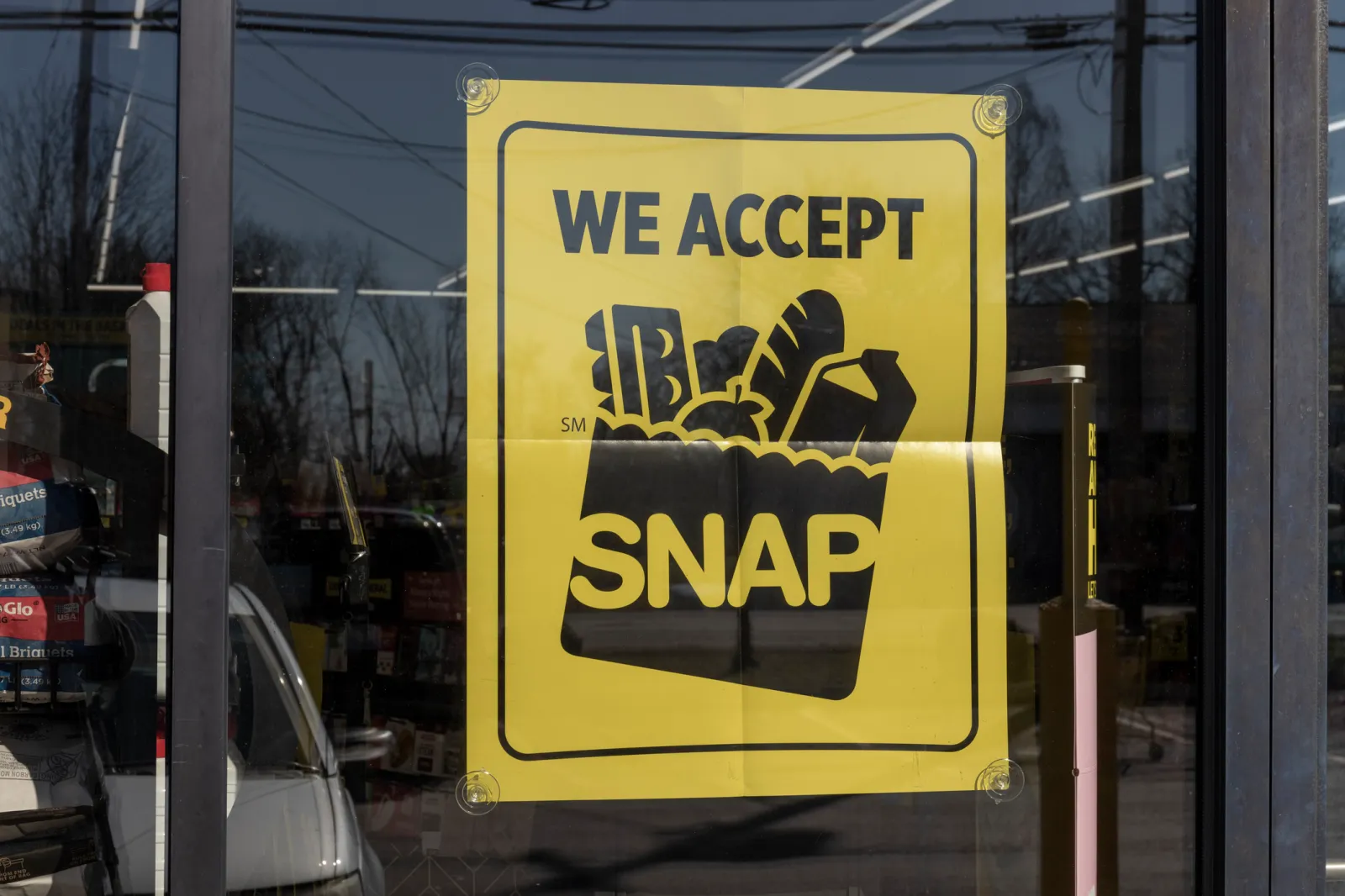
Around 42 million low- and no-income Americans collect Supplemental Nutrition Assistance Program (SNAP) benefits every month, which are uploaded onto electronic benefit transfer cards to be used in grocery stores. But these tens of millions of Americans will not receive their federally funded November benefits on time because the government is shutdown, and Congress has not authorized new funding. The shutdown, which began on October 1, is now the second-longest on record.
Read More on News
"Bottom line, the well has run dry," a notice from the U.S. Department of Agriculture (USDA) reads. "At this time, there will be no benefits issued November 01."
The USDA has also confirmed it will not draw from $5 billion in contingency funds to continue the program without a government funding deal, meaning SNAP benefits cannot be paid until the government reopens.
What To Know
In a press release issued on October 27, Scott said Vermont and other states are looking into taking legal action over the USDA's refusal to use contingency funds to keep SNAP benefits funded into November.
...
"Even with state efforts, the lack of federal SNAP funding will disrupt the lives of over 63,000 Vermonters and could cause real harm," he said.
Scott said there is "bipartisan support for a lawsuit seeking to require the federal government to release contingency funding it has available for emergencies" and that he has directed his administration to work with state Attorney General Charity Clark "to support a multistate lawsuit."
Scott's statement does not name the other states that are considering taking legal action against the USDA.
In a memo seen by Newsweek, the USDA said the $5 billion in contingency funds cannot be used to pay for SNAP benefits because "SNAP contingency funds are only available to supplement regular monthly benefits when amounts have been appropriated for," and that these funds can only be used for programs that are designed to help in the event of a disaster.
The USDA also said using the contingency fund would take away from other programs, such as the Special Supplemental Nutrition Assistance Program for Women, Infants and Children (WIC), the National School Lunch Program, and Child Nutrition Programs.
Newsweek has contacted the USDA for comment via email outside of regular working hours.
What People Are Saying
Governor Phil Scott: "In the absence of the federal government acting to ensure that millions of vulnerable Americans have access to the Supplemental Nutrition Assistance Program (SNAP) food benefits they desperately need, states, including Vermont, are contemplating possible steps to support these vulnerable households and their families. These households include low-income families with children, veterans, older Vermonters, and individuals with disabilities."
The White House said in a post on X, formerly Twitter, on October 27: "Over 40 million Americans face the risk of losing critical SNAP food benefits. This crisis could be resolved if Democrats prioritized the needs of the American people over political games."
What Happens Next
SNAP benefits will not be paid until the government shutdown ends.
View 0 Comments
Submit Correction
View Editorial & AI Guidelines