...

By Dan Gooding
Associate News Editor
0
Share
Newsweek is a Trust Project member
See more of our trusted coverage when you search.Prefer Newsweek on Googleto see more of our trusted coverage when you search.
The Trump administration is considering tripling the amount some immigrants are fined if they miss court hearings and are later deported.
According to the Department of Homeland Security (DHS), the amount immigrants currently pay is not enough to cover the cost of U.S. Immigration and Customs Enforcement (ICE) agents locating, detaining and deporting them.
The proposed change comes amid a sharp rise in people failing to appear for immigration court hearings, which experts say is a result of multiple factors, including fear of detention.
Read More on Politics
"The move to 18K for in absentia orders, where it is not clear if the recipient even knew about the hearing is extreme," Claire Trickler-McNulty, a former senior ICE official, told Newsweek. "To add these fees, while Congress is debating giving ICE billions of dollars more for enforcement against people who have been working in the U.S. for decades and may even have relief available, makes no sense and continues to criminalize and bankrupt our neighbors."
The Trump administration argues in the proposal that the higher fee could:
- Deter people from skipping court hearings
- Encourage compliance with removal orders
- Reduce strain on enforcement resources
...
New Deportation Fine: What to Know
The new fine would apply to immigrants who are given a Notice to Appear (NTA) in immigration court, which automatically places them in removal proceedings, and who fail to appear at that hearing.
If an immigration judge finds that an immigrant can be deported in absentia, ICE has to track down, detain and deport that person, fining them $5,130 in the process.
DHS said the amount is insufficient to cover deportation costs and that it plans to raise the fine to $18,000, following new rules laid out in the 2025 One Big Beautiful Bill Act (OBBBA).
"An increased fee of $18K could certainly present a burden to individuals and in absentia removal orders have increased substantially since 2023," Colleen Putzel-Kavanaugh, an associate policy analyst at the Migration Policy Institute, told Newsweek. "How and if these new fees are being enforced is an open question, especially considering the scale of those with in absentia removal orders."
Immigrants may have a variety of options for paying the fine, including paying it outright, paying it through a payment plan, or paying it as part of fees if they decide to return to the U.S. through a new application at a later date.
ICE Says This is the Cost to Deport Someone
The number of missed immigration hearings—a key driver behind the policy—has surged in recent years. In 2022, there were around 62,500 in absentia removal orders—rising to about 309,700 in 2025, according to the Federal Register filing.
DHS said each of these cases requires ICE agents to locate, detain and deport the individual, placing "a significant strain" on enforcement resources and diverting them from other priorities.
"The cost of locating, detaining and removing individuals is high, but this fee won't change those costs and will not impact the fact that working with people though case management is likely a much cheaper and more effective approach than threatening them with exorbitant fines and inhumane detention conditions," Trickler-McNulty added.
Officials said the proposed fine increase would only partially offset those costs, despite ICE having seen its budget significantly increased under the OBBBA. At one point, an increase to $36,000 was considered but officials decided that did not align with Congress' wishes.
Why People Miss Immigration Hearings
The immigration court system, which falls under the Department of Justice, not DHS, has a lengthy backlog of cases. In the summer of 2025, the number stood at around 11.3 million.
Immigrants are still missing their hearings, for reasons including:
- Backlogs: Cases are often delayed for years and dates shift frequently
- Missed notices: Mail advising immigrants of their court dates is often sent to outdated addresses
- No legal help: Unrepresented immigrants are less likely to appear—a common issue
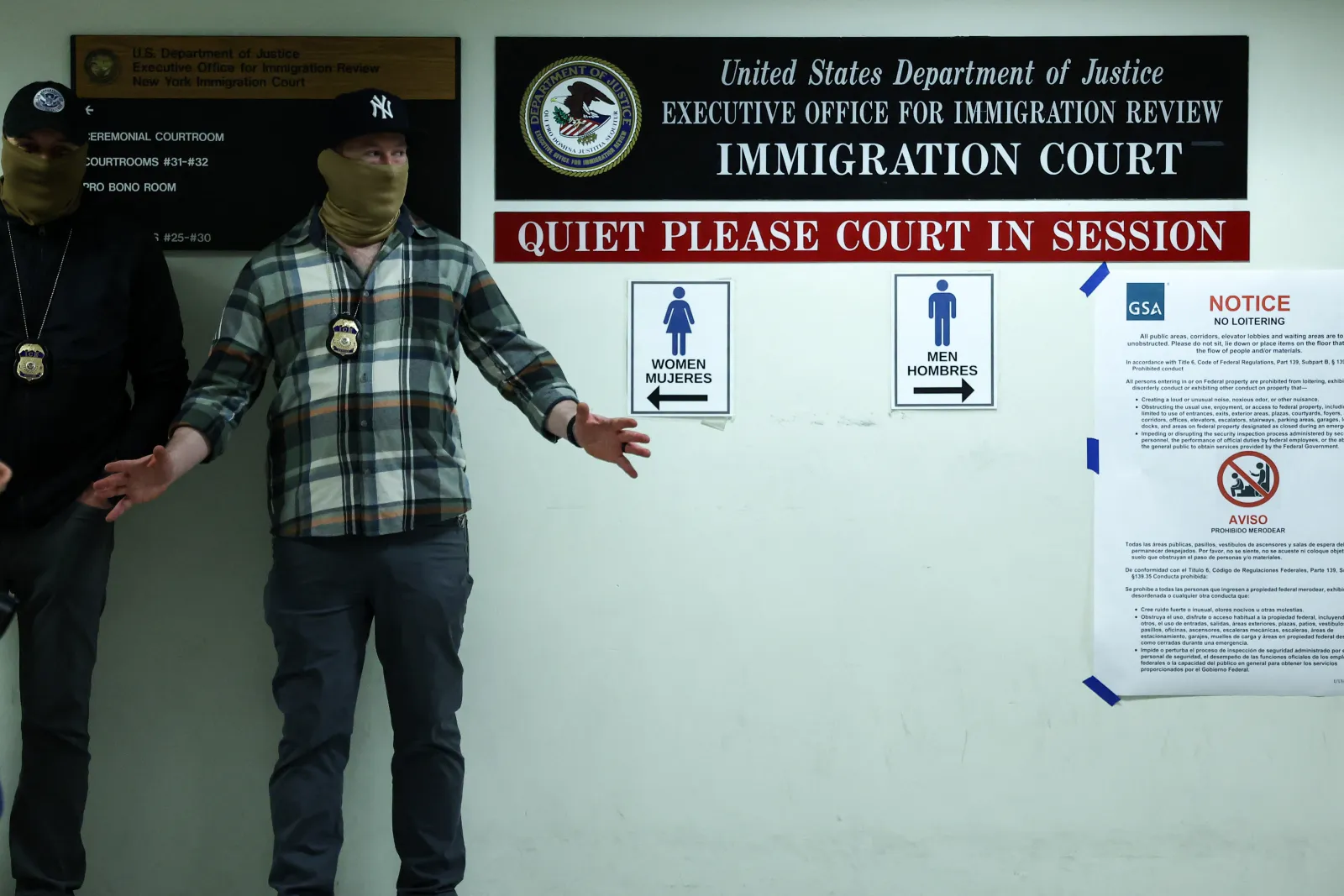
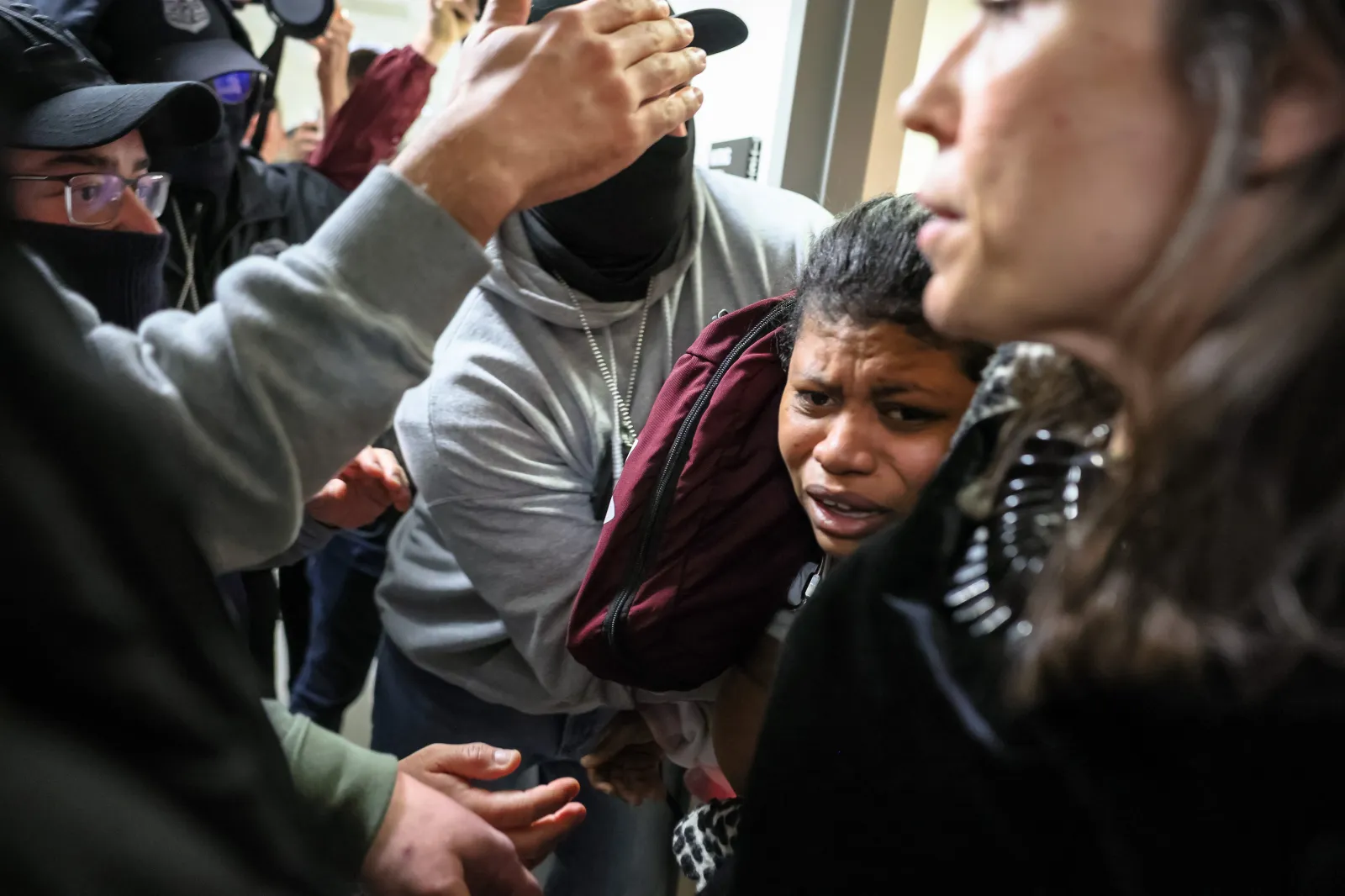
- Fear of arrest: ICE presence has increased outside courts under Trump, deterring attendance
...
Can Immigrants Fight Removal Orders?
In absentia removal orders are harder to fight, as officials have often decided that the immigrant has not shown they want to remain in the U.S. by turning up for a hearing. A person can fight the order by filing a motion to reopen their case, however.
The rulings are generally deemed final and come with strict rules, including preventing the person from being able to change their immigration status or voluntarily depart the U.S. for 10 years. They are then unable to return to the U.S. for at least five years.
What Happens Next
The proposal opens for a 30-day public comment period on May 20, after which DHS will decide whether to finalize the rule. Any new fine would apply only to future cases, not past deportation orders.
Adam Klein, a former senior DHS official, told Newsweek that it remains to be seen if the new fine will work.
"The larger question is behavioral: Will penalties at this level incentivize court appearances, or will they further discourage engagement with a system where enforcement actions have significantly intensified—even for individuals appearing for required proceedings?" Klein said Tuesday.
"Like many immigration enforcement measures, the effectiveness of the policy will likely depend less on the size of the penalty itself and more on whether individuals trust the process enough to participate in it."
View 0 Comments
Submit Correction
View Editorial & AI Guidelines