10
Loading video...

By Maria Azzurra Volpe
Reporter
0
Share
Newsweek is a Trust Project member
See more of our trusted coverage when you search.Prefer Newsweek on Googleto see more of our trusted coverage when you search.
Environmental factors such as air pollution and pesticides have long been scrutinized for their possible role in Parkinson’s disease. New research now suggests that road traffic noise could also belong in that conversation.
In what researchers describe as the largest investigation of its kind, a study of 3.1 million adults in Denmark found that people exposed to higher levels of traffic noise over many years were slightly more likely to develop Parkinson’s disease.
The findings, published in JAMA Neurology, are based on 18 years of follow-up data from people aged 40 and older. Researchers used nationwide health records and estimated traffic noise levels at participants’ homes to examine whether long-term exposure was associated with later Parkinson’s diagnoses.
Read More on Health
The increase in risk was relatively small but appeared consistently throughout the analysis. According to the study, every 11.5-decibel increase in road traffic noise at the most exposed side of a residence was associated with a 3 percent rise in Parkinson’s disease risk during the study period.
Researchers also examined differences in noise levels around people’s homes by modeling exposure at both the quietest and noisiest exterior sides. Their results suggest that access to a quieter area of a residence may lessen the association between traffic noise and Parkinson’s risk.
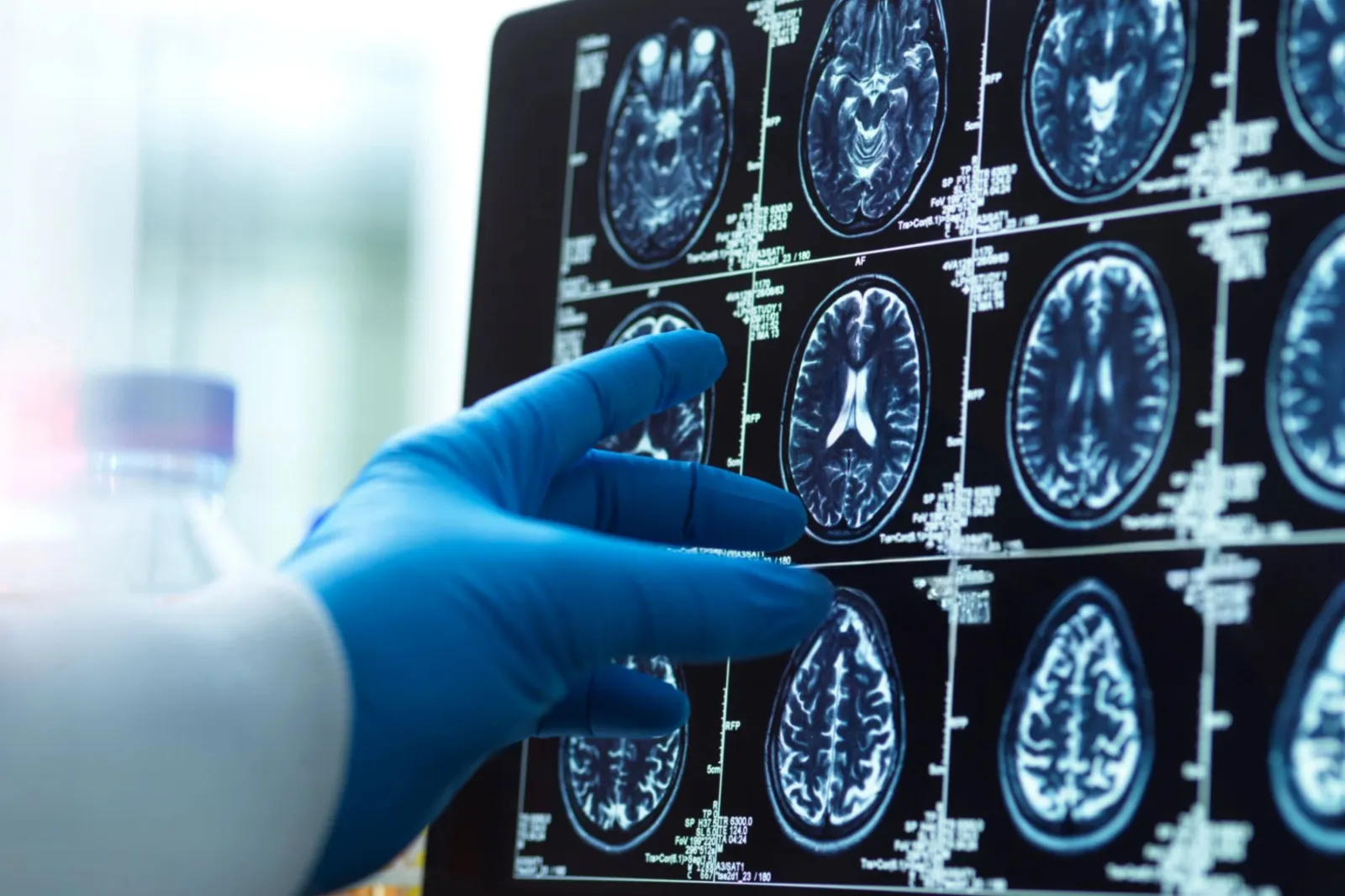
Parkinson’s disease is a brain disorder that gradually gets worse over time, affecting a person’s ability to move and maintain balance. It happens when certain areas of the brain become damaged, but scientists still do not fully understand why. Researchers have increasingly been studying whether exposure to environmental factors may play a role in the development of the disease.

...
Previous studies have proposed biological explanations for how chronic noise exposure could affect health. Among the mechanisms discussed by researchers are prolonged stress responses and disrupted sleep, both of which have been linked to processes thought to be relevant to Parkinson’s disease.
Recent research has also strengthened concerns about air pollution as a potential environmental contributor to Parkinson’s disease.
A 2024 study by researchers at Mayo Clinic and Barrow Neurological Institute found that people exposed to higher levels of fine particulate matter and nitrogen dioxide were more likely to develop Parkinson’s disease than those living in less polluted areas. The study identified an association rather than proof of causation but added to growing evidence that air quality may influence neurological health.
The research also suggested environmental exposures could affect more than the likelihood of developing the disease. Among people already diagnosed with Parkinson’s, greater exposure to air pollution was associated with a higher likelihood of dyskinesia, or involuntary movements, and with a form of the condition characterized primarily by rigidity and slowed movement rather than tremors.
Related Story
One Protein May Prevent Brain Process Linked to Alzheimer’s and Parkinson’s
While environmental toxins have been the primary focus of prevention research, noise pollution has received far less attention.
The researchers accounted for air pollution in their analysis, aiming to separate the impact of noise exposure from another environmental factor linked to neurological disorders. However, they acknowledged that information on participants’ lifestyles was not available.
Despite that limitation, the authors said they observed similar associations across groups with different education and income levels, leading them to conclude that lifestyle differences were unlikely to explain the results.
The study does not show that traffic noise causes Parkinson’s disease. It does, however, add to growing interest in how everyday environmental exposures may influence long-term brain health and raises new questions about the role of noise in neurological disease.
Reference:
Mette Sørensen, Ph.D.; Aslak Harbo Poulsen, Ph.D.; Ole Raaschou-Nielsen, Ph.D.; Lau Caspar Thygesen, Ph.D.; Jørgen Brandt, Ph.D.; Christopher Andersen, Ph.D.; Thomas Münzel, MD, Ph.D.
JAMA Neurol. Published Online: July 20, 2026
doi: 10.1001/jamaneurol.2026.2262
Contact Newsweek editors on this story: Kara Dolman and Sam Wilson.
View 0 Comments
Submit Correction
View Editorial & AI Guidelines