...

By Jennifer Cunningham
Editor-in-Chief
0
Share
Newsweek is a Trust Project member
See more of our trusted coverage when you search.Prefer Newsweek on Googleto see more of our trusted coverage when you search.
Donald Trump launched a war on Iran at the end of February. Iran immediately retaliated to joint U.S. and Israeli strikes on Tehran, and countries across the Middle East region were drawn into the conflict. Supreme Leader Ali Khamenei was killed in the first wave of strikes by the U.S. and Israel, bringing to an end his decades-long, bloody reign. Elsewhere, Cuba’s economic and political crisis worsened as power shortages and protests mounted in Havana. In Britain, the arrest of Andrew Mountbatten-Windsor, the former prince, over his links to Jeffrey Epstein shocked the royal establishment and dominated global headlines. The month also marked the death of Rev. Jesse Jackson, one of the most influential figures in modern American civil rights. Together, the events made February a turbulent month, defined by war, political upheaval, and the passing of a historic leader.
Here are my top six favorite articles from the month that made sense of the chaos and are available exclusively to members:
Read More on Politics
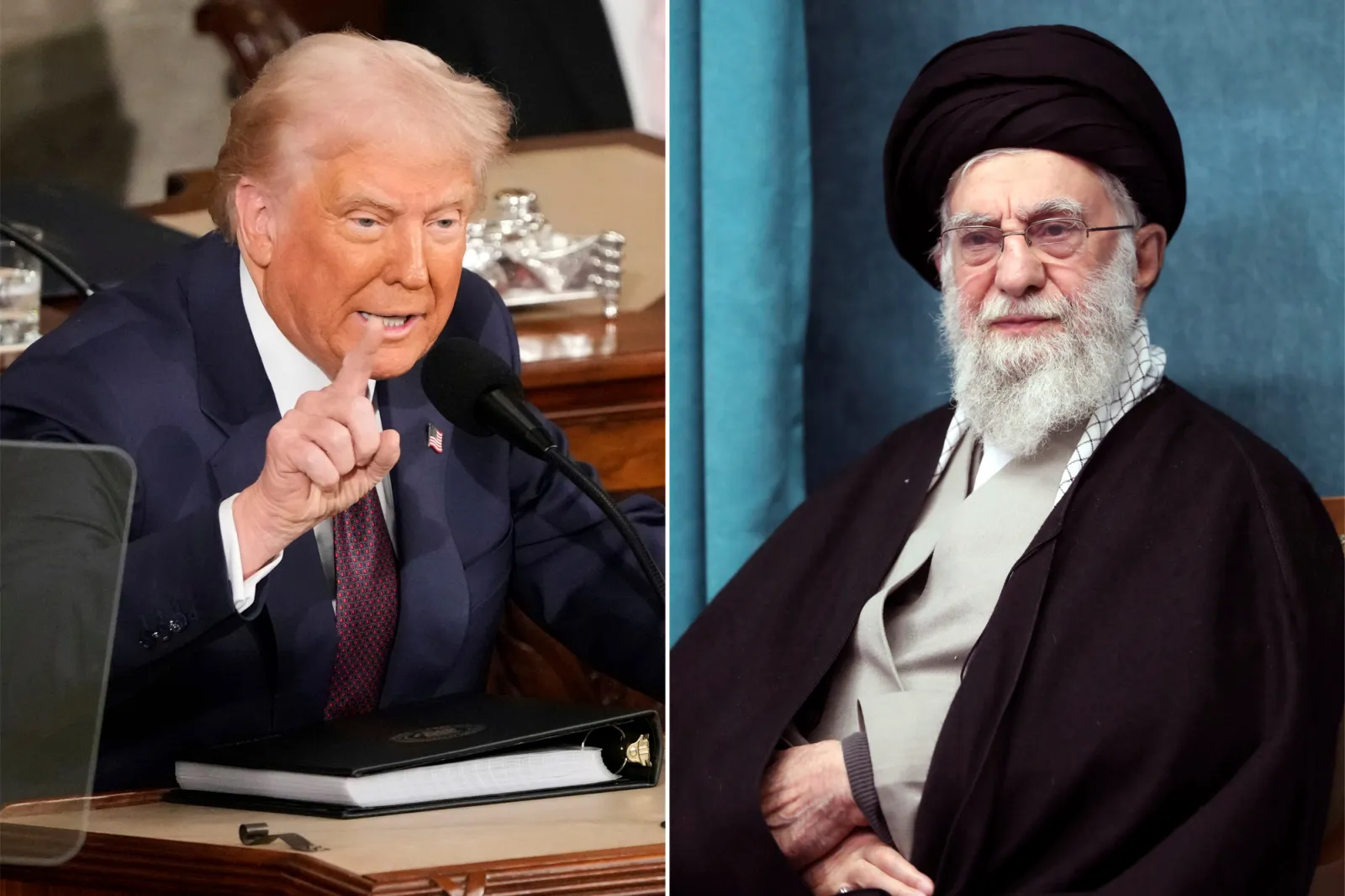
Trump Strikes Iran: The 5 Scenarios for What Happens Next
...
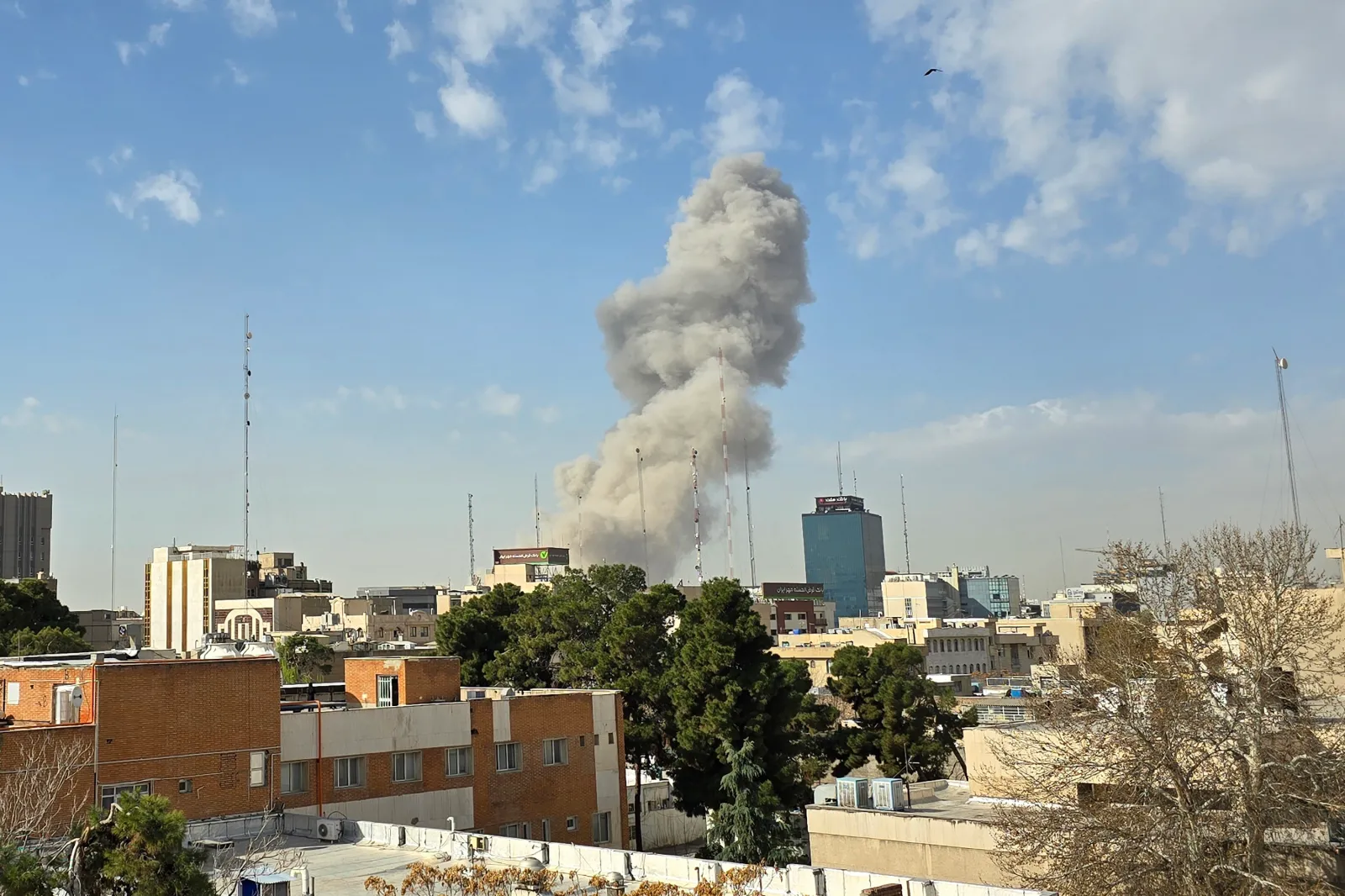
This article outlines five possible scenarios after Trump ordered U. S.—Israeli strikes on Iran. One scenario is regime change, in which the Iranian government collapses under military pressure. Another is a short conflict followed by negotiations, if Tehran agrees to limits on its nuclear and missile programs. A third possibility is a long regional war, with Iran using proxy forces and missile strikes against U.S. allies. The fourth scenario is controlled escalation, where both sides trade attacks but avoid full-scale war. Finally, the conflict could settle into a stalemate, with ongoing tensions and periodic strikes but no decisive outcome. The article argues the war’s direction will depend on how Iran retaliates and how far the U.S. chooses to escalate.
Why Donald Trump Faces ‘Epic Fury’ From MAGA Over Iran
This article explains that Trump’s decision to launch strikes on Iran—dubbed "Operation Epic Fury"—has created tension within the MAGA movement that helped elect him. Some supporters praise the operation as a strong move against a longtime adversary and a way to cripple Iran’s military and nuclear ambitions. However, others argue the war contradicts Trump’s "America First" promise to avoid new Middle East conflicts. Overall, the piece argues that while Trump still commands strong loyalty among many supporters, the Iran strikes have exposed a rare internal divide within the MAGA movement over U.S. foreign policy.
How Khamenei Reshaped Middle East Across Decades of Iran Brutality
...
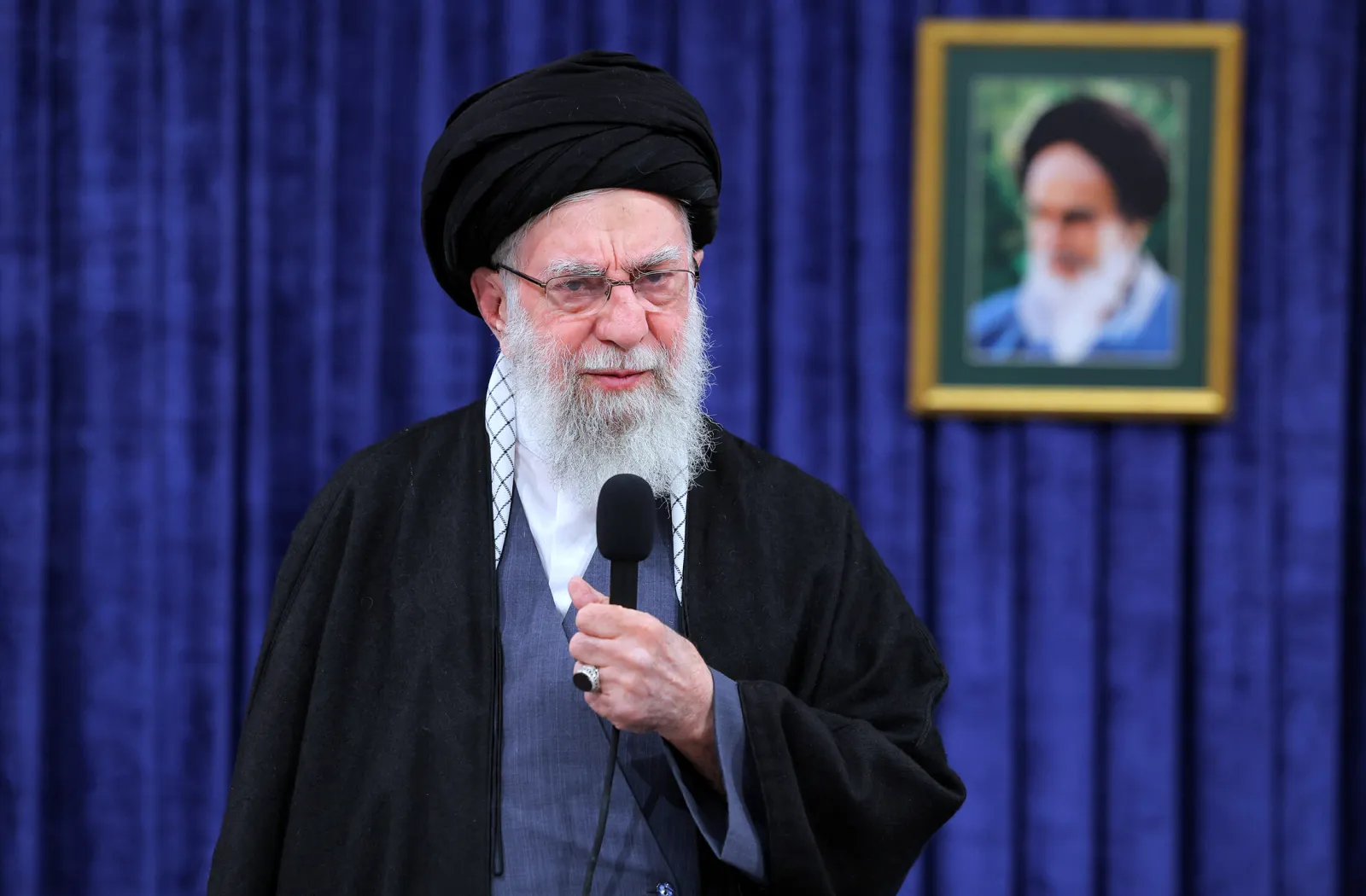
This Perspective article argues thatKhamenei reshaped the Middle East over more than three decades through a combination of repression at home and aggressive regional strategy. As Iran’s supreme leader from 1989 until his death last weekend, he consolidated power around the Islamic Revolutionary Guard Corps and expanded Tehran’s influence through proxy groups such as Hezbollah, Hamas, and the Houthis. These networks allowed Iran to project power across Syria, Iraq, Lebanon, and Yemen, often putting it in direct confrontation with the United States and Israel. At the same time, Khamenei oversaw harsh crackdowns on protests and dissent inside Iran. The article concludes that Khamenei’s long rule left a lasting imprint on the region: a powerful security state at home and a web of militant allies abroad that continues to shape Middle Eastern politics even after his death.
Donald Trump’s Cuba Conundrum

...
This Perspective article examines the dilemma facing Donald Trump’s Cuba policy after the fall of Venezuelan leader Nicolás Maduro, which cut off a major source of subsidized oil for Havana. Cuba had long depended on Venezuelan fuel in exchange for security and intelligence support, but Maduro’s removal has pushed the island into a severe economic and energy crisis. The article argues this creates both opportunity and risk for Washington. Trump has increased pressure through sanctions and warnings that Cuba must "make a deal," hoping the crisis will force political or economic concessions. However, pushing too hard could worsen humanitarian conditions or destabilize the region, leaving the administration balancing pressure with the possibility of negotiations with Havana.
Andrew Mountbatten-Windsor Arrest Is Defining Moment for Royal Family

...
This article argues that the arrest of Andrew Mountbatten-Windsor, formerly Prince Andrew, represents a defining moment for the British royal family and the long-running Jeffrey Epstein scandal. Police detained Mountbatten-Windsor on suspicion of misconduct in public office after renewed scrutiny of his relationship with Epstein and allegations he shared confidential trade information while serving as a U.K. envoy. The arrest is without modern precedent. The article argues the case underscores growing demands for accountability and transparency around the monarchy. It also deepens the reputational damage caused by Mountbatten-Windsor’s Epstein ties, raising broader questions about privilege and justice.
Jesse Jackson and Donald Trump’s Unique Relationship
...
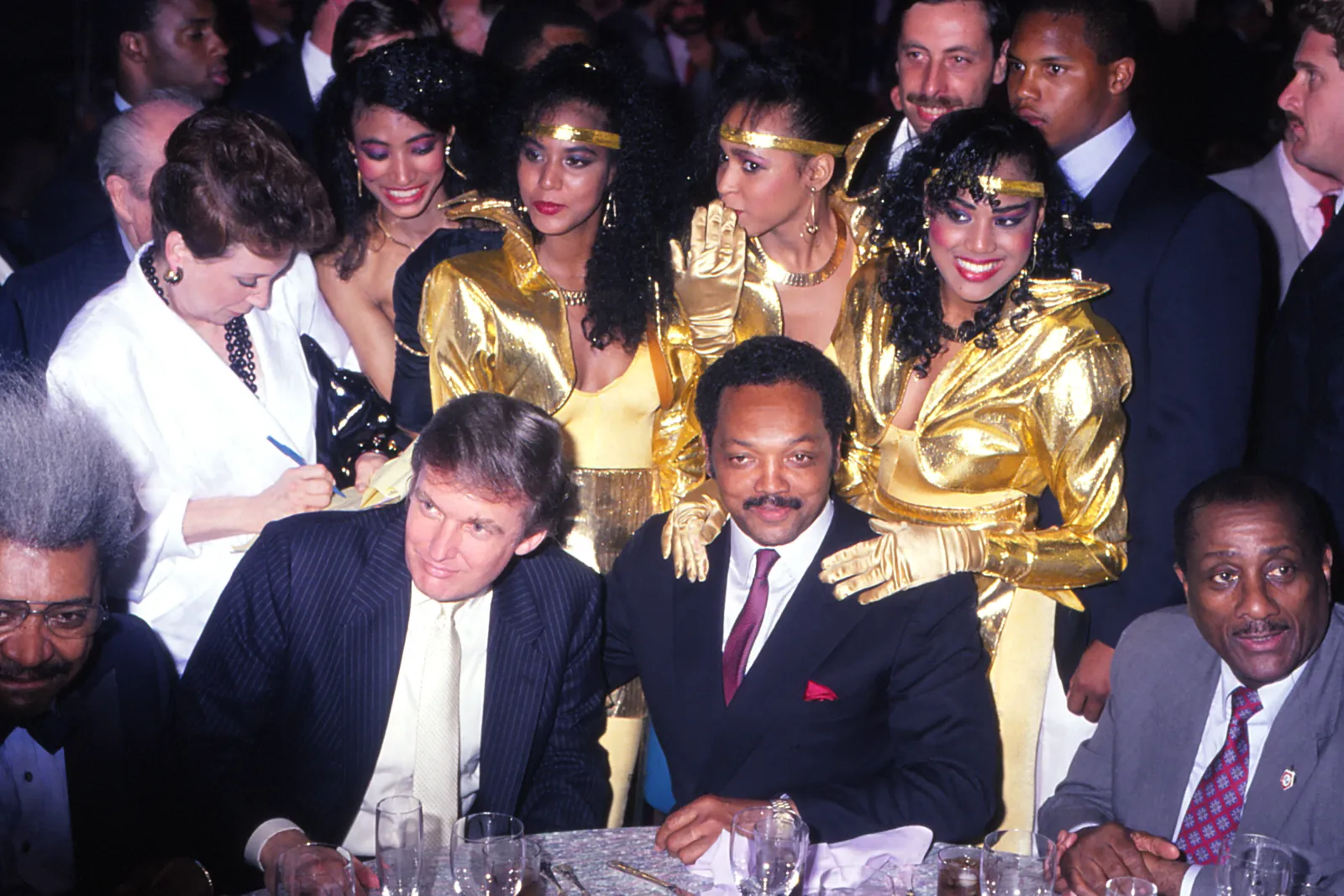
This article describes the complicated and evolving relationship between civil rights leader Rev. Jesse Jackson, who died in February, and Donald Trump. In the 1980s and 1990s, the two had a cordial relationship in New York business circles, with Jackson praising Trump for supporting minority economic initiatives and even providing office space for the Rainbow PUSH Coalition at 40 Wall Street. However, their relationship deteriorated once Trump entered national politics. Jackson became a strong critic of Trump’s rhetoric on immigration, race, and deportation policies, arguing that they deepened division in the United States.
The news cycle is loud. Algorithms push us to extremes. In the middle—where facts, ideas and progress live—there's a void. At Newsweek, we fill it with fearless, fair and fiercely independent journalism.
Common ground isn't just possible—it's essential. Our readers reflect America's diversity, united by a desire for thoughtful, unbiased news. Independent ratings confirm our approach: NewsGuard gives us 100/100 for reliability, and AllSides places us firmly in the political center.
In a polarized era, the center is dismissed as bland. Ours is different: The Courageous Center—it's not "both sides," it's sharp, challenging and alive with ideas. We follow facts, not factions. If that sounds like the kind of journalism you want to see thrive, we need you.
When you become a Newsweek Member, you support a mission to keep the center strong and vibrant. Members enjoy:
Help keep the center courageous. Join today.


View 0 Comments
Submit Correction
View Editorial & AI Guidelines