...

By Tony Goldwyn
Actor, Director, Producer
0
Share
Newsweek is a Trust Project member
See more of our trusted coverage when you search.Prefer Newsweek on Googleto see more of our trusted coverage when you search.
Every year around this time, we are encouraged to give back to our communities—to support those who work tirelessly to make life better for others. This holiday season, I’m asking us to remember that community isn’t constrained by borders, that our generosity can reach people whose health and survival often depend on the compassion and empathy of Americans.
For the first time in 30 years, the United States, Germany, France and the United Kingdom have reduced their development assistance. The U.S. has cut its global health funding by 67 percent this year alone. According to the Organization for Economic Co-operation and Development, if these cuts continue, it will mark the first time in history that all four countries have pulled back for two consecutive years.
...
Read More on Opinion
The effects are already painfully clear. Clinics around the world that were lifelines for mothers and children are closed. Children now go without treatment for malnutrition, malaria and childhood diseases. Humanitarian organizations—still reeling from the dismantling of USAID and the loss of millions of dollars in government funding—have scaled back their work, even as needs grow more acute. Boston University researcher Brooke Nichols, Ph.D., and AI solutions expert Eric Moakley created a tool estimating that the cuts to USAID already resulted in over 600,000 deaths, with more than 400,000 of them being children.
This giving season, let’s ask ourselves: What kind of world do we want to live in? How do we want to show up for each other? What example are we setting for our children? The fact is, global health and humanitarian assistance protect all our futures. Stronger health systems abroad mean fewer disease outbreaks and pandemics at home. Stable communities reduce displacement, instability and conflict. American generosity has profound effects that we often don’t see but deeply rely on.
Organizations like Americares have been hit hard by the cuts in U.S. humanitarian assistance. Federal funding losses recently forced Americares to halt primary care, health education and mental health services for 15,000 Venezuelan migrants in Colombia—families who walked for days to escape crisis at home. In Tanzania, funding cuts disrupted work that was improving maternal and newborn health care for more than 1.2 million mothers and children. Other humanitarian organizations have faced similar cuts. Save the Children, for example, had to close 47 of its community health facilities across Somalia.
Each closure represents far more than a statistic: A mother giving birth without skilled medical care. A child left vulnerable to a life-threatening infection. A health worker deprived of the tools they need to save a life. Real people. Real consequences.
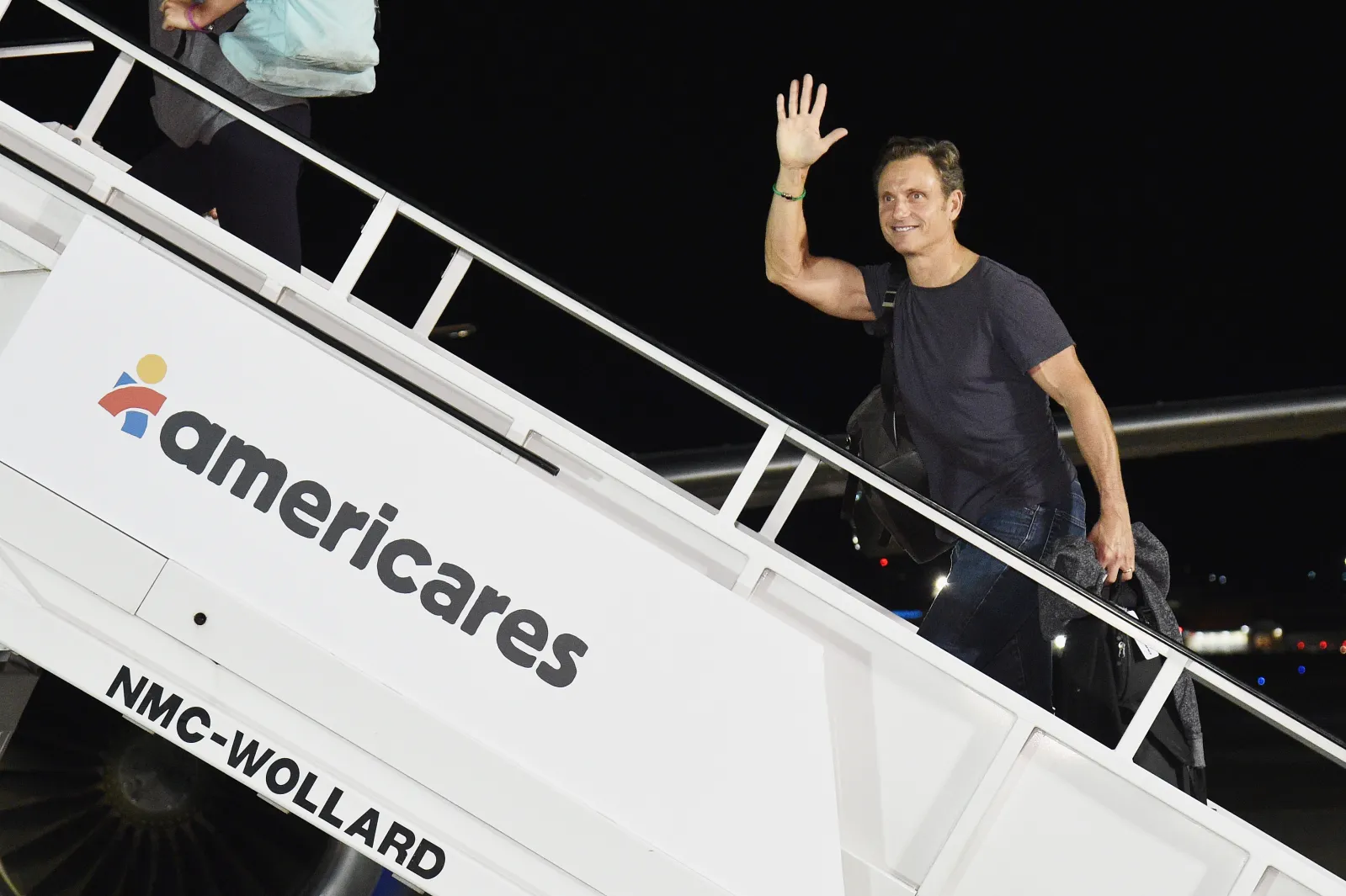
And when disaster strikes, humanitarian organizations help communities recover, rebuild and reclaim their futures. I’ve seen this firsthand through my years of service on the Americares board, watching teams deliver medicine and health care to people who have lost everything—and staying to help rebuild and strengthen their local health systems. These quiet acts of service keep communities going long after the cameras leave.
Humanitarian work is driven by empathy, human connection and most importantly, by locally led solutions designed to outlast the headlines. The challenges ahead are enormous but I’ve seen the exponential power of the local partnerships that Americares and others have built over decades of work in communities worldwide. In Ukraine, where health facilities are damaged or destroyed by war, Americares has supplied essential medicines and supported training for health workers who serve families displaced by conflict.
Right here at home, families displaced by the wildfires in Los Angeles received emergency cash assistance from Americares and clinics were restocked with essential medicine and supplies. Americares local partnerships have major impact because they belong to the people they serve. They are built with local knowledge, powered by trust and sustained through collaboration.
When we give to humanitarian organizations, we’re not just helping people survive the crisis of the moment. We’re helping them build the foundation for tomorrow. A foundation for stronger, healthier communities.
Tony Goldwyn is an actor, director, producer and board member of the global health and disaster relief organization Americares, which helps people and communities around the world access health in times of disaster and every day.
The views expressed in this article are the writer's own.
View 0 Comments
Submit Correction
View Editorial & AI Guidelines