...

By Hatty Willmoth
Food & Nutrition Reporter
0
Share
Newsweek is a Trust Project member
See more of our trusted coverage when you search.Prefer Newsweek on Googleto see more of our trusted coverage when you search.
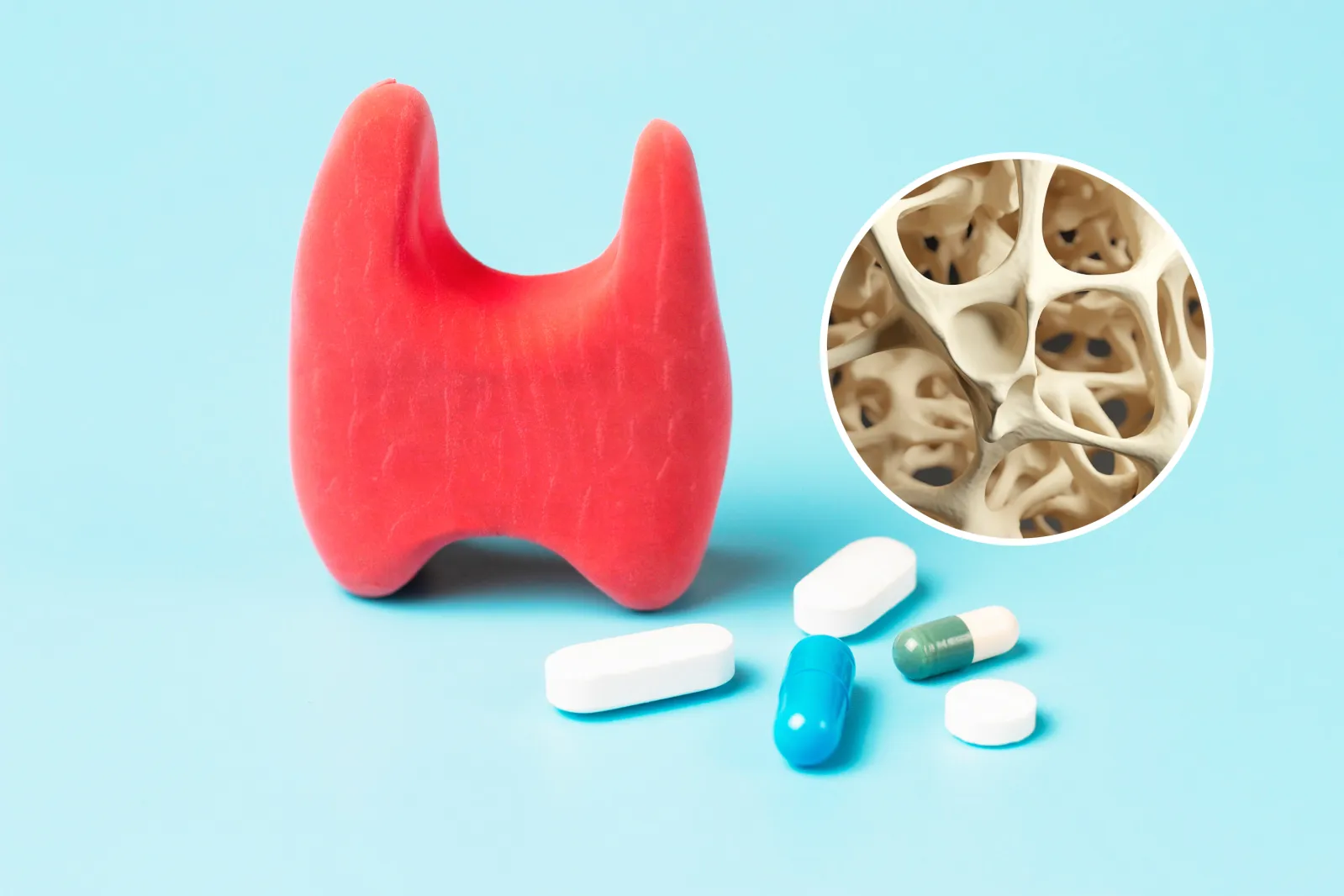
A drug called levothyroxine, the second-most-commonly prescribed medication among older U.S. adults, has been linked to a higher risk of bone loss in a new study.
Levothyroxine is prescribed to treat hypothyroidism—an under-active thyroid—in approximately 23 million Americans, or 7 percent of the U.S. population, under various brand names, including Synthroid. But scientists have found that the drug may put older adults at risk of losing bone mass, a risk factor for the bone disease osteoporosis.
"Our study suggests that even when following current guidelines, levothyroxine use appears to be associated with greater bone loss in older adults," Dr. Shadpour Demehri, co-senior author of the study and a professor of radiology at Johns Hopkins University, said in a statement.
Read More
Emergency Water Restrictions in Place for Grand Canyon3 min read

How Did Dinosaurs Rise to Dominance? New Study Reveals Secrets5 min read

HIV Breakthrough as New Injection 89% More Effective Than PrEP5 min read

Hypothyroidism is a common condition whereby the thyroid gland does not produce enough of the hormone thyroxine, leading to fatigue, weight gain, hair loss and other symptoms. While hypothyroidism can lead to serious and potentially fatal complications without treatment, it is possible to have too much thyroid hormone: a condition called hyperthyroidism, which can lead to heart palpitations, high blood pressure, shakiness, anxiety, weight loss and an increased risk of bone fractures.
...
"Data indicates that a significant proportion of thyroid hormone prescriptions may be given to older adults without hypothyroidism, raising concerns about subsequent relative excess of thyroid hormone even when treatment is targeted to reference range goals," said lead author Dr. Elena Ghotbi, a postdoctoral research fellow at Johns Hopkins School of Medicine, Maryland.
Ghotbi's team found that taking levothyroxine may put patients at risk of bone loss, which may lead to conditions such as osteoporosis: a bone disease characterized by weak bones that break more easily.
Losing bone density is a normal part of the aging process, just like losing muscle mass, and particularly affects postmenopausal women—but in osteoporosis, some individuals can break ribs just by coughing or sneezing, or develop long-term chronic pain through partial breakages in the spine.
"Bone loss is indeed a part of aging and brings with it important complications and morbidities," Ghotbi told Newsweek. "Therefore, any intervention that potentially accelerates it should be carefully scrutinized."
In this study, due to be presented next week at an annual meeting of the Radiological Society of North America (RSNA), a team of radiologists and endocrinologists—specializing in x-rays and hormones, respectively—investigated the relationship between levothyroxine and bone loss over time.
They used data from the Baltimore Longitudinal Study of Aging (BLSA), which involved adults over the age of 65 living in communities, but only studied older adults with healthy ranges of thyroid hormones.
Of the study's subjects, 81 took levothyroxine and had normal thyroid hormone levels, and 364 did not take thyroid medication.
"Our study did not look at why people had been originally prescribed thyroid hormone, only at what the levels were while on therapy," Ghotbi told Newsweek. "In individuals with reduced thyroid function (hypothyroidism), the production of thyroid hormone is disrupted, and the goal of treatment is to restore them to the reference range."
After an average of six years, the adults taking levothyroxine were more likely to have lost more bone mass and bone density, compared to those not taking thyroid medications.
Dr. Jennifer Mammen, co-senior author and an associate professor of endocrinology at Johns Hopkins, said in a statement that adults taking levothyroxine should discuss the treatment with their healthcare providers and regularly monitor their thyroid function.
"A risk-benefit assessment should be conducted, weighing the strength of the indications for treatment against the potential adverse effects of levothyroxine in this population," she said.
Ghotbi told Newsweek that people taking levothyroxine appropriately, to treat genuine hypothyroidism, did not need to be wary of this medication.
"However, our findings suggest that levothyroxine use should be approached with clinical deliberation in older adults who do not have a clear diagnosis," she said. "There is debate about what is the appropriate threshold for therapy in this population."
Update 11/27/24, 4:30 a.m. ET: This article was updated to include comment from study lead author Dr. Elena Ghotbi.
Is there a health problem that's worrying you? Do you have a question about hypothyroidism? Let us know via health@newsweek.com. We can ask experts for advice and your story could be featured in Newsweek.
View 0 Comments
Submit Correction
View Editorial & AI Guidelines