...

By Amanda Greenwood
Associate News Editor
0
Share
Newsweek is a Trust Project member
See more of our trusted coverage when you search.Prefer Newsweek on Googleto see more of our trusted coverage when you search.
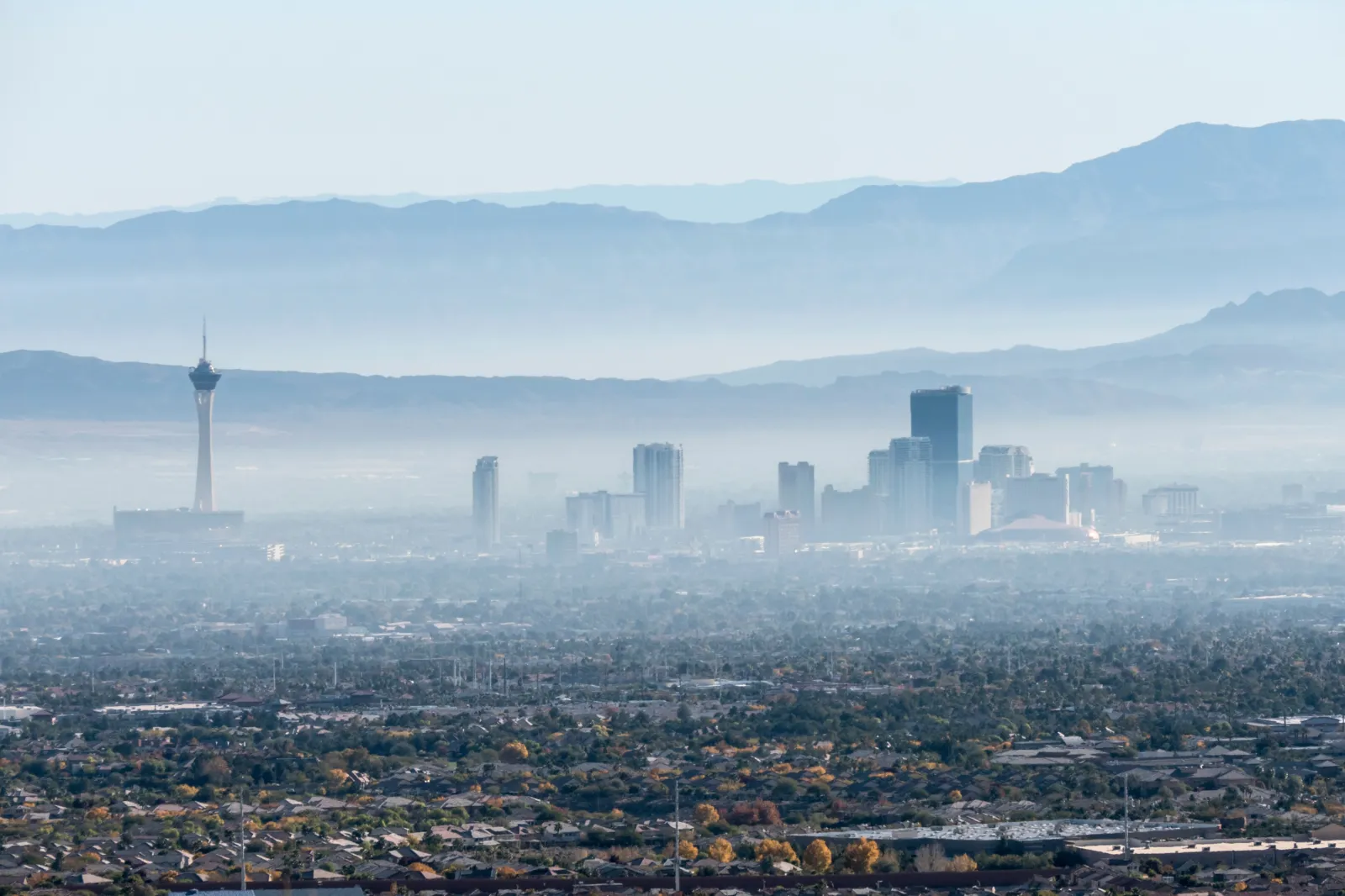
Millions of residents across parts of Southern California and Arizona are being warned to limit outdoor activity this weekend as ozone pollution—commonly known as smog—is expected to reach potentially unhealthy levels.
Air quality alerts issued by the National Weather Service (NWS) cover large parts of the Phoenix metro area and California’s Imperial Valley, where heat and stagnant air are expected to trap pollution close to the ground through Sunday evening.
Affected Areas
In California’s Imperial Valley, including cities like El Centro, Calexico, Alamorio, and Brawley, the NWS issued an air quality alert that began on Saturday and is set to remain in effect until Sunday night.
Read More on News
Meanwhile, in Arizona, the Phoenix metro area and wider Maricopa County are under an “Ozone High Pollution Advisory” through Sunday, according to the NWS.
In both regions, the service warns that ozone levels are expected to peak in the afternoon and early evening, when sunlight and heat intensify and contribute to the buildup of pollution.
...
Why Smog Levels Are Rising
The alerts are tied to elevated ground-level ozone, a pollutant formed when vehicle exhaust, industrial emissions, and other pollutants react in sunlight and heat.
Weather conditions play a key role. The Environmental Protection Agency (EPA) says that warm temperatures, intense sun, and stagnant air trap pollutants near the surface, allowing ozone to accumulate instead of dispersing.
In the Phoenix area, the NWS specifically warned that existing pollution combined with forecast weather conditions is expected to push ozone concentrations to unhealthy levels.
The EPA says that this type of pollution is common in cities with warm, dry climates where high heat, heavy vehicle use, and geographic conditions can combine to worsen smog episodes.
Who Is Most at Risk?
The NWS warns that ozone pollution can cause a range of respiratory issues, even in otherwise healthy individuals. However, sensitive groups are at greater risk, including:
- Children
- Older adults
- Pregnant people
- Individuals with existing heart or lung disease, such as asthma
- People who spend a lot of time outside, like outdoor workers
Exposure to high ozone levels can lead to shortness of breath, throat irritation, coughing, asthma attacks, and even long-term lung damage. As the air quality worsens, the likelihood and severity of these effects can increase.
How Residents Can Reduce Risk
Residents in affected areas should take precautions, particularly during peak pollution hours, such as:
- Limiting outdoor activity, especially prolonged or intense exercise. People in sensitive groups should reduce or avoid time outside
- Stay indoors with windows and doors closed
- Use air conditioning or air purifiers to keep the air cleaner inside
- Avoid activities that worsen indoor pollution, such as burning candles or grilling
Residents are also being encouraged to help reduce pollution levels by:
- Carpooling, using public transportation, or telecommuting where possible
- Limiting the use of gasoline-powered equipment, such as lawn tools, during the day
Why the Alerts Matter
Air quality alerts like these are becoming increasingly common across parts of the Southwest, where extreme heat and urban emissions can quickly create dangerous smog conditions.
Because millions of people live in affected regions, even short-term spikes in ozone pollution can become a significant public health concern—especially during hot summer weekends when more people are outside.
Residents are being urged to monitor local air quality updates and limit exposure during the hottest parts of the day while alerts remain in place through Sunday evening.
View 0 Comments
Submit Correction
View Editorial & AI Guidelines