
...

By Alice Gibbs
Senior Reporter
0
Share
Newsweek is a Trust Project member
See more of our trusted coverage when you search.Prefer Newsweek on Googleto see more of our trusted coverage when you search.
A wave of historic landmarks, museums and restoration projects is reopening across the United States in 2026, as institutions race to complete long-running work ahead of the country’s 250th anniversary.
From Washington, D.C., to Philadelphia and Virginia, projects years—sometimes decades—in the making are reopening at once, offering renewed access to some of the nation’s most prominent historic spaces. For visitors, the result is a rare moment when multiple landmark sites are reopening within months of each other.
“Civic leaders have often used national commemorations to initiate and complete projects that otherwise might not receive funding and support,” Marc Robert Stein, a historian and author who has written extensively about the U.S. bicentennial, told Newsweek.
Read More on U.S.
A Wave Of Reopenings
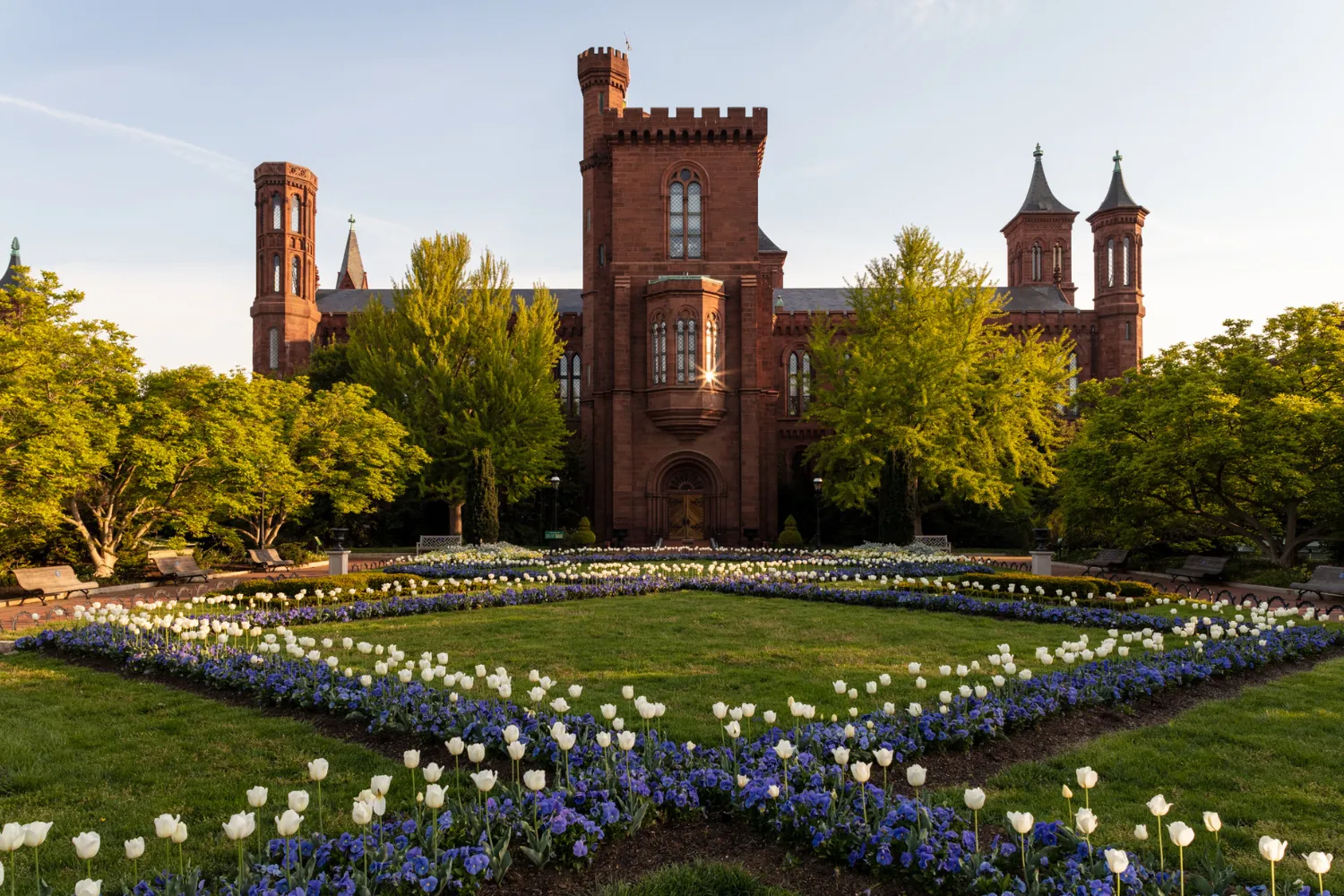
Smithsonian Castle (Washington, D.C.)
Reopened: May 22, 2026 (temporary reopening through September)
The Smithsonian’s oldest building has reopened after major renovations that began in 2023, giving visitors access to the restored Great Hall and exhibitions tied to the 250th anniversary.
Smithsonian Arts and Industries Building (Washington, D.C.)
Reopening: June 16, 2026
Opening for regular public hours for the first time since 2004 after years of limited use, marking a major return for one of the Smithsonian’s historic spaces.
...
First Bank of the United States (Philadelphia, Pennsylvania)
Reopening: July 1, 2026
A $43 million restoration is bringing the nation’s first federally chartered bank back to the public after decades without access.
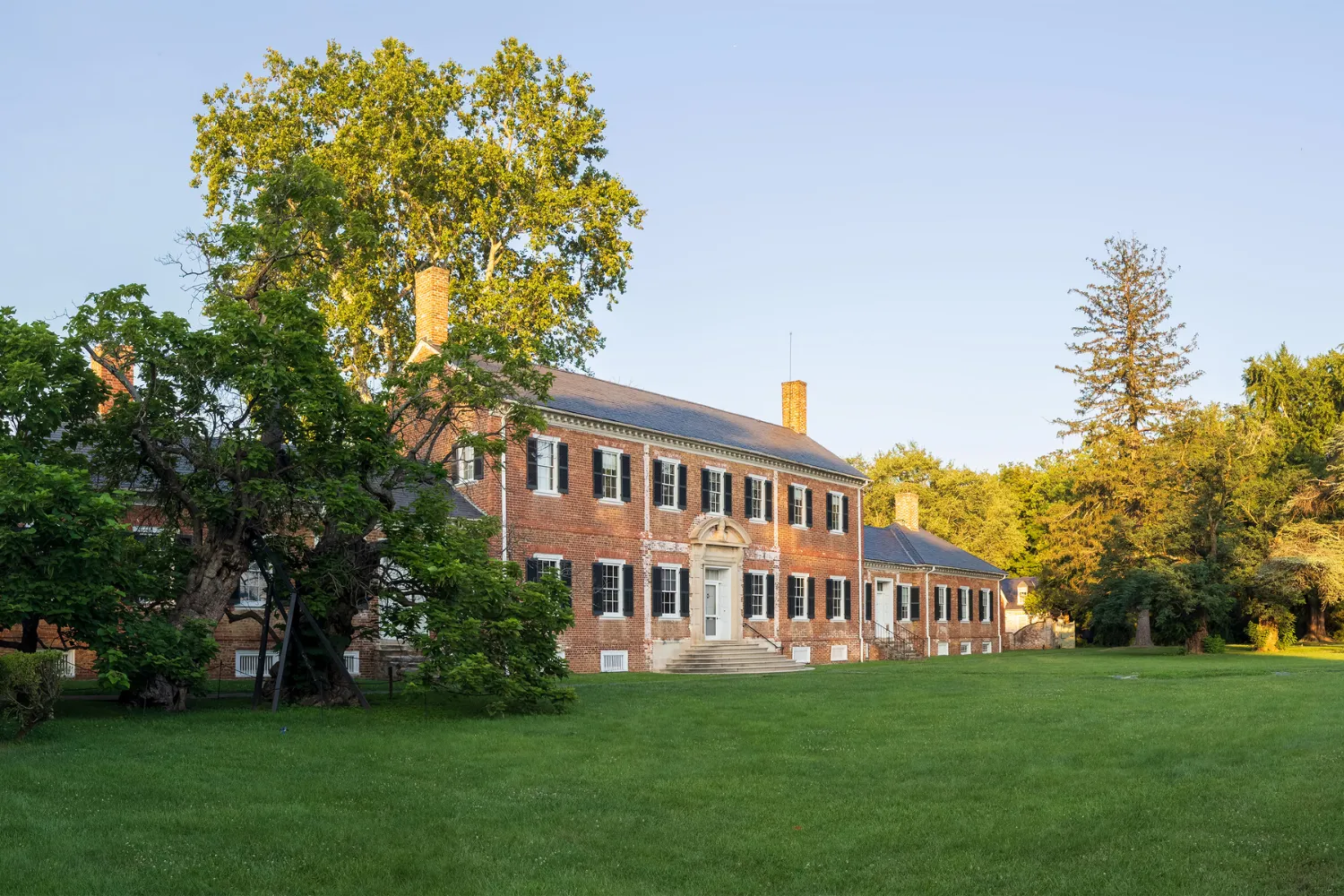
Historic Chatham (Fredericksburg, Virginia)
Reopened: June 6, 2026
The 18th-century estate reopened following major rehabilitation work to preserve the building and improve visitor safety.
...
Herbert Hoover Presidential Library and Museum (West Branch, Iowa)
Reopening: Summer 2026
Undergoing its first major renovation in more than 30 years, the museum is reopening with updated exhibits and expanded visitor spaces.
Tidal Basin seawall (Washington, D.C.)
Reopened: April 2026
A major reconstruction project rebuilt more than 6,000 feet of shoreline, protecting iconic sites like the Jefferson Memorial from flooding and long-term damage.
...
Colonial Parkway (Virginia)
Reopening: Phased re-openings throughout 2026
A $123 million rehabilitation is restoring the historic roadway linking Jamestown, Williamsburg and Yorktown, with sections reopening in time for anniversary events.
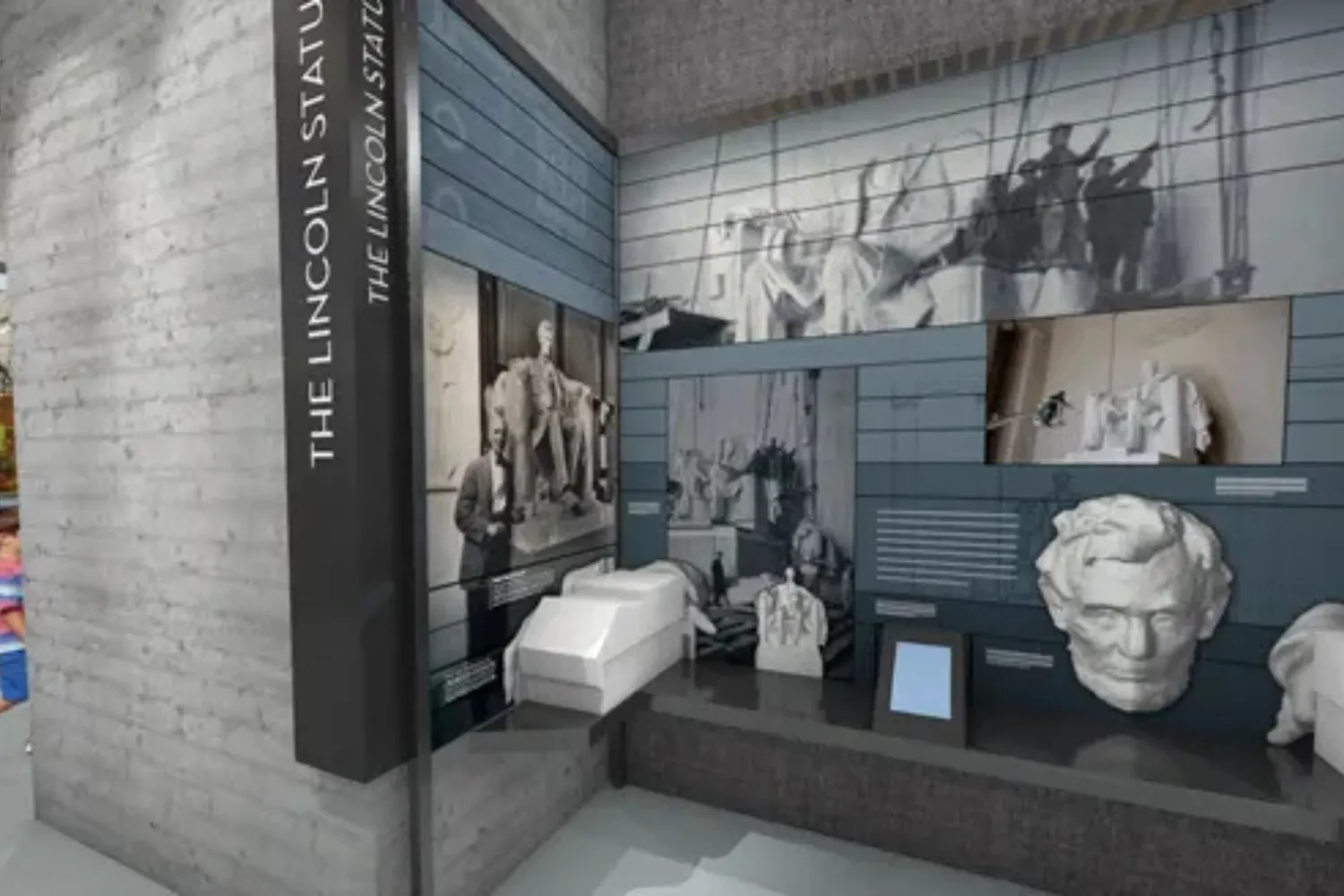
Lincoln Memorial Undercroft (Washington, D.C.)
Opening: June 25, 2026
For the first time in its history, the underground space beneath the Lincoln Memorial is opening as a 15,000-square-foot museum, offering immersive exhibits and a new way to experience one of America’s most iconic monuments.

...
“America’s Presidents” Gallery, National Portrait Gallery (Washington, D.C.)
Reopened: May 15, 2026
A major refresh of the Smithsonian’s flagship presidential gallery introduces updated interpretation, accessibility features and new contextual material ahead of the 250th anniversary.
Why Now?
The cluster of reopenings of historical sites is far from a coincidence, instead being the result of multiple things coming together at once.
Many of the projects now finishing began years ago, often funded through federal programs aimed at addressing long-standing maintenance backlogs at historic sites.
A significant share of the work now reaching completion can be traced back to a major federal funding push earlier in the decade. In 2020, Congress passed the Great American Outdoors Act, a bipartisan law that committed up to $9.5 billion over five years to address long-standing maintenance backlogs across national parks and public lands. The funding, distributed between 2021 and 2025, targeted projects that had often been deferred for years or even decades due to cost—meaning many sites now reopening in 2026 have effectively been in the pipeline since that law was passed.
Meanwhile, the upcoming 250th anniversary of the United States has created a deadline for other projects.
Major milestones like the semiquincentennial provide a fixed moment that institutions plan around—both symbolically and practically—ensuring high-profile sites are reopened and ready for visitors.
Stein said anniversaries like the bicentennial—and now the 250th—have historically acted as a catalyst for investment in public history, giving cities and institutions a reason to push forward long-delayed projects.
He pointed to the lead-up to 1976, when the bicentennial became “an argument for upgrading old museums and building new ones; renovating and reconstructing historical landmarks; [and] expanding and improving city parks,” as leaders sought to draw tourism and revitalize urban economies.
In Philadelphia, preparations for the 200th anniversary drove major changes across Independence National Historical Park and the city’s cultural institutions—many of which remain central to the city’s tourism economy decades later.
In Washington, D.C. in particular, multiple projects have been explicitly timed to align with the anniversary, as the National Mall, also recently updated with a brighter reflecting pool, prepares for an influx of visitors and commemorative events.
The impact of those anniversary-driven efforts can extend well beyond the celebrations themselves, Stein added, with infrastructure, museums and historic sites continuing to shape how Americans engage with the past for generations.
What It Means for Visitors
For travelers, historians and the public, the timing creates a rare opportunity.
Visitors in 2026 will be able to experience a cluster of newly reopened or newly reimagined historic sites within a short period—many of which have been closed or under renovation for years.
View 0 Comments
Submit Correction
View Editorial & AI Guidelines