
...

By Amanda Greenwood
Associate News Editor
0
Share
Newsweek is a Trust Project member
See more of our trusted coverage when you search.Prefer Newsweek on Googleto see more of our trusted coverage when you search.
Across the U.S. economy, a clear shift is underway: consumers are downgrading how they spend, opting for cheaper options, delaying big purchases, and focusing on essentials.
The result is what analysts at Forbes are describing as a “trade-down economy”—one where demand remains intact, but the quality, scale, and price point of purchases are changing.
So Americans haven't stopped spending—they’re just spending differently.
Read More on News
Smaller Projects Over Big Investments

...
One of the clearest examples is emerging in home improvement.
During an earnings call on May 20, home furnishings and improvement store Lowe’s Chief Financial Officer Brandon Sink said the company saw a decline in discretionary DIY spending, with transactions falling by 0.9 percent. He attributed the decline to “continued DIY discretionary pressures,” reflecting weaker demand for non-essential home improvement purchases.
The results come as consumers pull back on larger renovation projects and focus more on smaller repairs and maintenance.
Rather than undertaking costly kitchen remodels or home expansions, many homeowners are choosing incremental upgrades—like replacing fixtures or fixing essentials—reflecting growing caution around big-ticket spending.
That shift is driven partly by broader economic pressures which are making consumers more hesitant to commit to major expenses, such as:
- Housing market uncertainty: high prices and interest rates have pushed sales to a 30-year low, according to Harvard
- Persistent price concerns: around 90 percent of consumers say that inflation is affecting how they spend
This has turned what was once discretionary spending into a more needs-based approach to home improvement projects.
Essentials Take Priority
...
The same pattern is playing out across the wider retail landscape.
Consumer spending hasn’t collapsed—in fact, it continues to grow modestly—but it has become far more selective.
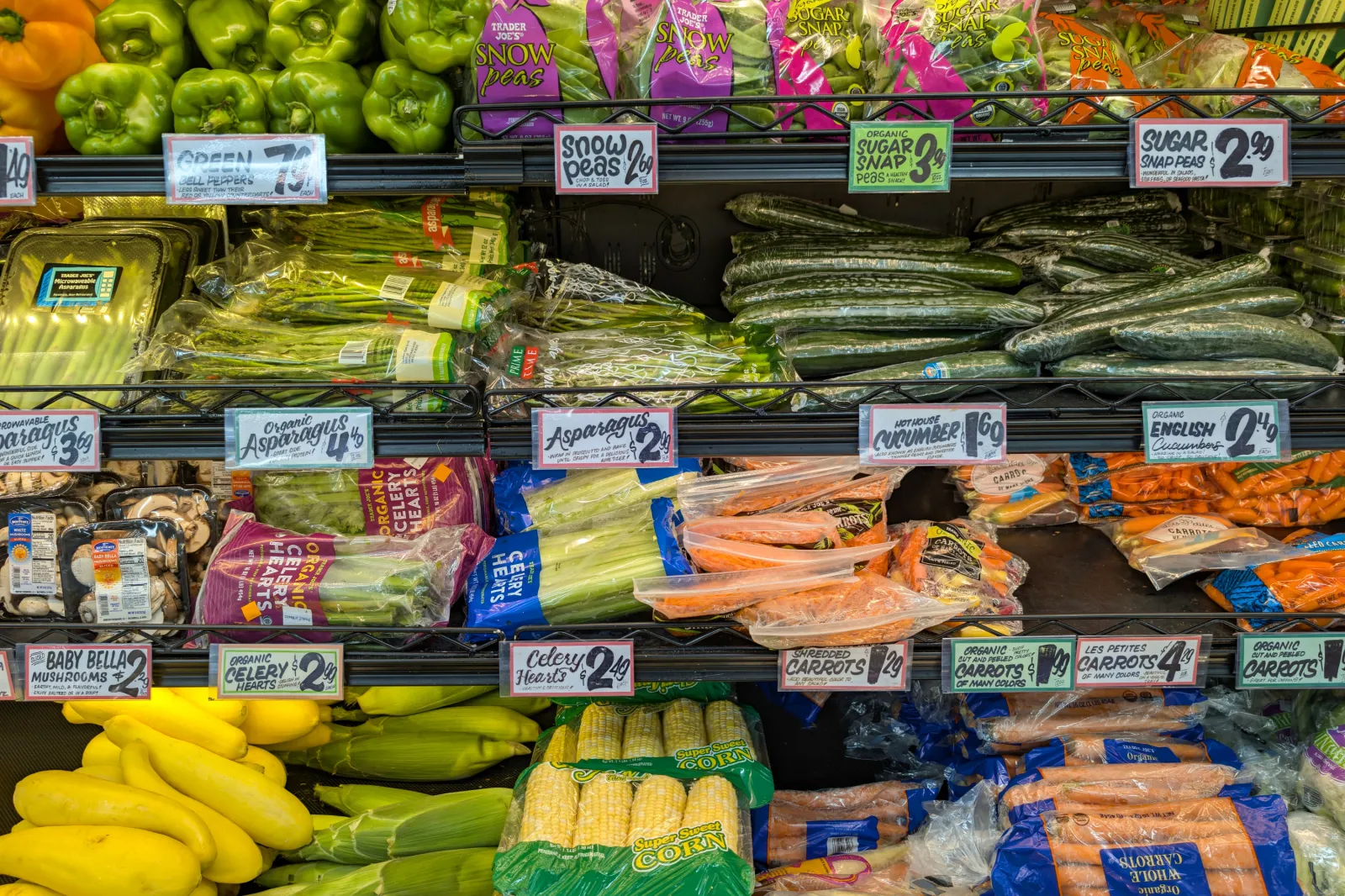
Consumer confidence has dropped sharply, with a study by the University of Michigan showing that sentiment has fallen to 44.8—down 10 percent from last month and 14.2 percent year over year. Shoppers are, therefore, increasingly prioritizing essentials, such as groceries and household goods, while cutting back on discretionary categories like clothing, electronics, and home décor.
At the same time, inflation and economic uncertainty are reshaping how people shop. Surveys show that price is now the dominant factor in purchasing decisions, with more than 70 percent of consumers saying lower prices are the top priority, over things like faster delivery and overall experience.
This has led to a fundamental behavioral shift: Instead of simply buying less, many Americans are just buying differently—waiting for discounts, switching brands, and avoiding impulse purchases altogether.
Discount Chains Win as Sentiment Falls
...
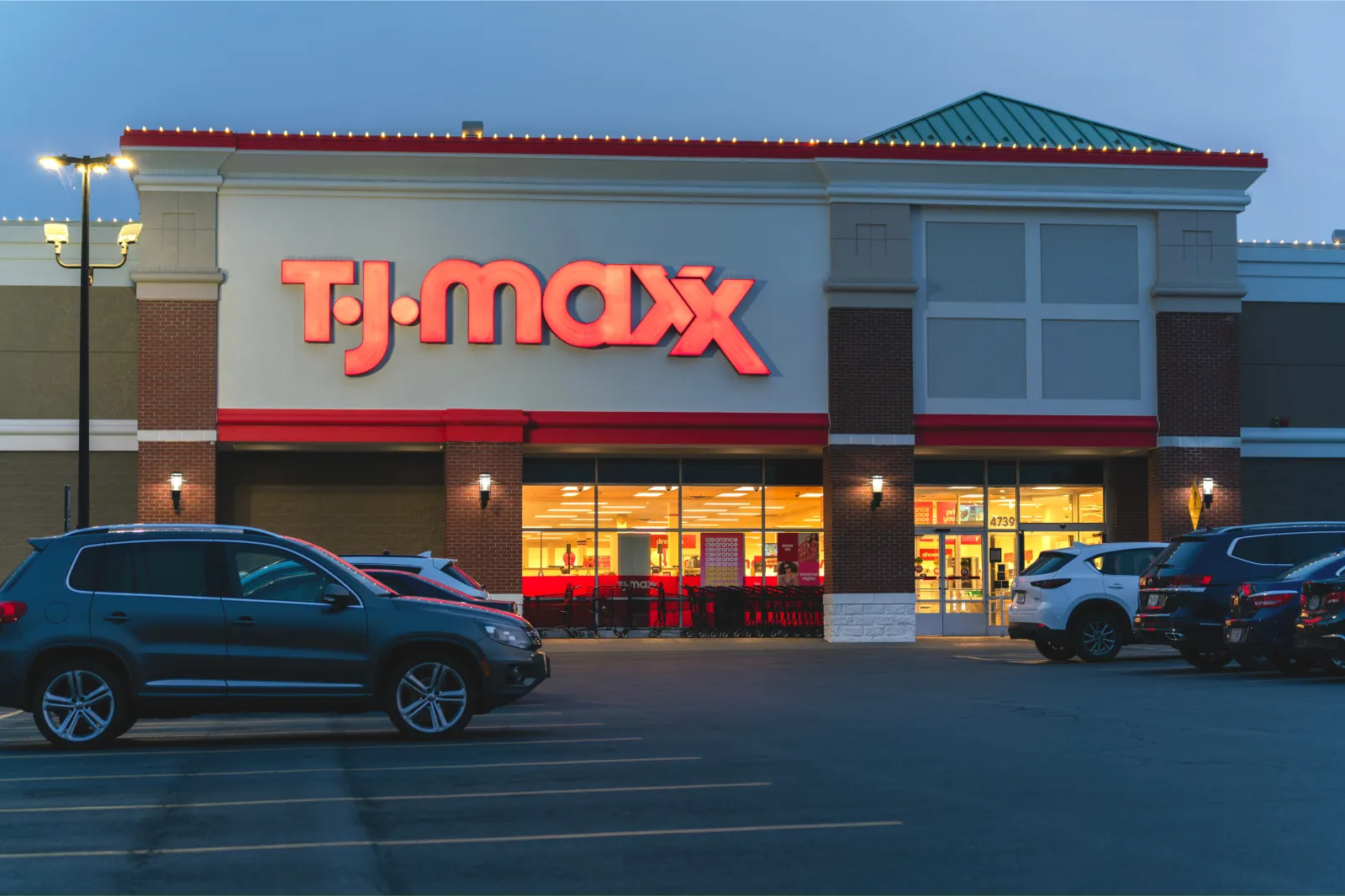
Perhaps the most visible sign of the trade-down trend is the rise of discount retailers.
With consumer sentiment falling, many households are feeling financially strained. In response, shoppers are increasingly turning to lower-cost alternatives, from store brands to off-price chains like T.J. Maxx and Dollar General.
These retailers tend to thrive in periods of economic stress, as consumers trade down from premium brands to budget-friendly options.
What Consumers Should Do in a ‘Trade-Down Economy’

...
With prices still elevated and confidence low, the shift toward more cautious, value-driven spending can actually work in consumers’ favor—if done strategically.
Focus on value—not just price
Cheaper isn’t always better. Look for products that offer durability and long-term value, especially for household goods and essentials. A slightly higher upfront cost can prevent repeat purchases.
Break big expenses into phases
Instead of delaying large purchases altogether—like major home improvements—consider tackling projects in smaller stages. This spreads out the cost, reduces financial strain while still maintaining progress.
Take advantage of discounts and timing
Retailers are increasingly relying on promotions to attract cautious shoppers. Plan purchases around seasonal sales, clearance events, and price drops, particularly for the non-essentials.
Reassess subscriptions and non-essential spending
As discretionary spending tightens, review recurring expenses such as streaming services, memberships, and dining out. Cutting or consolidating even a few can free up meaningful cash.
View 0 Comments
Submit Correction
View Editorial & AI Guidelines