...

By Marni Rose McFall
Reporter
0
Share
Newsweek is a Trust Project member
See more of our trusted coverage when you search.Prefer Newsweek on Googleto see more of our trusted coverage when you search.
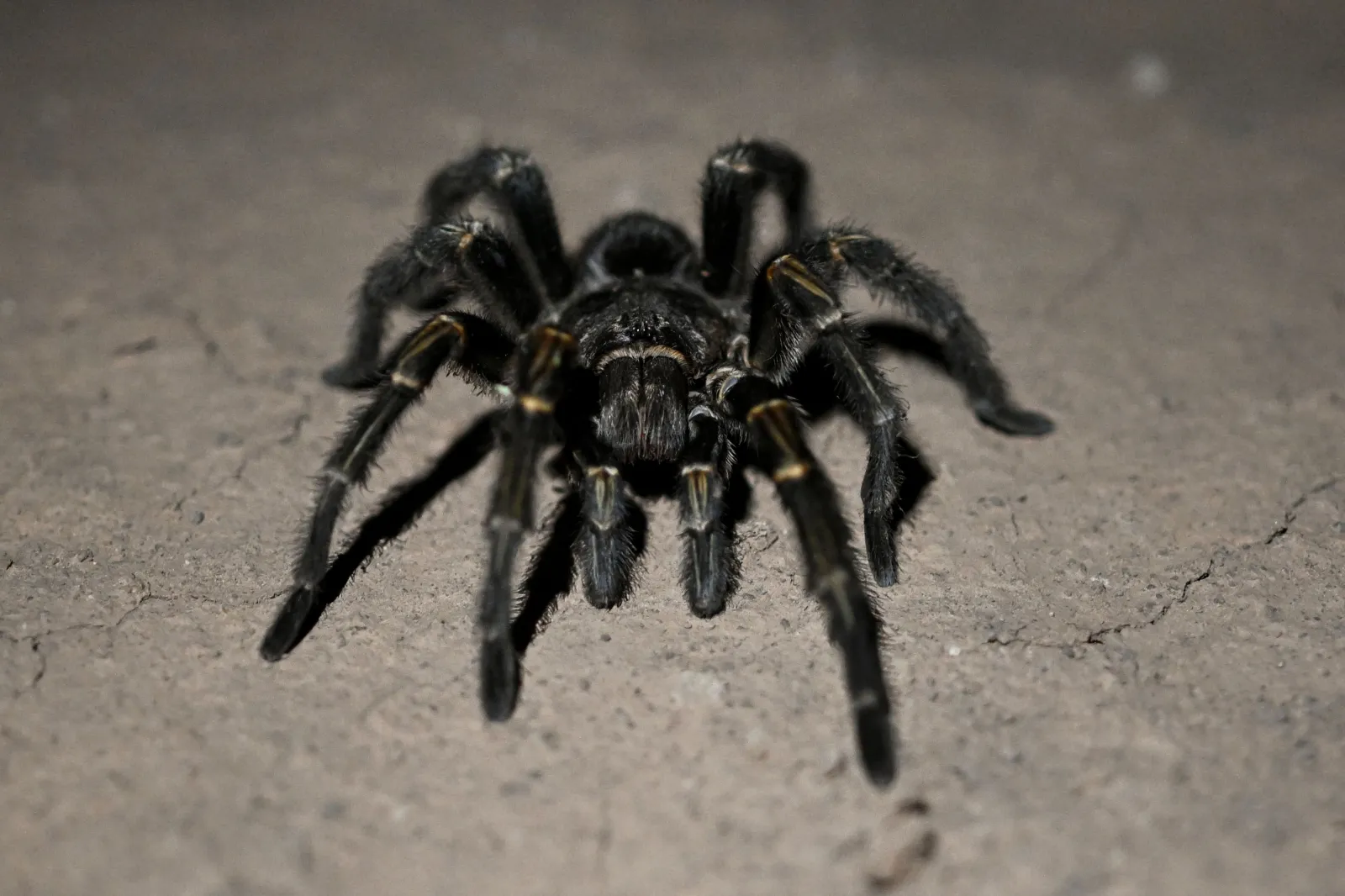
It's almost tarantula mating season, and in certain states, tens of thousands of tarantulas are expected to crawl out of their burrows to look for mates.
Whether you're an arachnophobe or an arachnophile, here's what you need to know about tarantula mating season and the states where the eight-legged creatures can be found.
Why It Matters
Tarantula mating season typically takes place from late August to October. High temperatures and moisture drive the creatures from their burrows, and males go out to search for partners.
Read More on News
While tarantulas in the U.S. are generally not aggressive or harmful to humans, public portrayals of the large spiders—which generally measure about 4 inches or more—may inspire fear in some. Knowing more about the creatures could help relieve those concerns.
Which States Have Tarantulas?
According to the World Population Review, tarantulas are present in these 13 U.S. states:
- Arizona
- Arkansas
- California
- Colorado
- Florida
- Kansas
- Louisiana
- Missouri
- Nevada
- New Mexico
- Oklahoma
- Texas
- Utah
Generally speaking, tarantulas prefer dry climates and live in Western and Southwestern states. However, they can be found in other states, and their location can depend on the species of tarantula.
What Kinds of Tarantulas Are in the U.S.?
The U.S. is home to about 29 species of tarantula, which primarily belong to the Theraphosidae family.
Here are some of the tarantulas that can be found in the country:
- Aphonopelma hentzi—Texas brown tarantula. This is one of the most common species in the U.S. It is found in multiple states and reaches a 4- to 5-inch leg span.
- Aphonopelma chalcodes—desert blonde tarantula. Native to Arizona, this tarantula inhabits desert regions and is known for its long life span.
- Aphonopelma iodius—Great Basin blonde tarantula. Found in the California, Nevada and Utah deserts, females of this species can live for more than 30 years in captivity.
- Aphonopelma anax—Texas tan tarantula. This species is native to southern Texas and northern Mexico, and it is one of the largest species in the U.S., reaching a 5- to 6-inch leg span.
Generally, tarantulas that are seen out and about are males as females are "homebodies who don't travel far from their individual burrows," according to the National Park Service.
Females live longer than males, sometimes up to 25 years while males live up to 10 years. This is partly because of males going on their mating journeys and encountering danger on the way.
...
Are Tarantulas Dangerous to People?
According to the National Park Service, tarantulas are not aggressive or deadly, despite portrayals in pop culture.
The service describes them as docile, adding that though they are capable of biting a person, this mostly happens if they are harassed, and bites are rare. Additionally, their venom is not considered to be toxic to humans.
Cara Shillington, a professor of biology at Eastern Michigan University, told Newsweek that tarantulas did not pose any danger to humans.
"Any animal will bite if threatened, and the same is true for a tarantula," she said. "I tell all of my students that if they get bitten by a tarantula, they are the ones at fault."
"These animals are not very aggressive. They will try to run and/or do a threat display, but they will only bite if severely threatened," Shillington added.
What Happens Next
The mating season is set to last until the fall. According to World Population Review, "if you see a tarantula in your home, you should not kill it. Keep in mind that tarantulas are going to kill a lot of the most common pests that you might find in your home."
The data site added, "If you feel like you can do so safely, try to catch it in a container. Then, release it in the wild."
Update 7/31/25, 5:46 a.m. ET: This article has been updated with a comment from Cara Shillington.
View 0 Comments
Submit Correction
View Editorial & AI Guidelines