
By Brendan Cole
Senior Reporter
0
Share
Newsweek is a Trust Project member
See more of our trusted coverage when you search.Prefer Newsweek on Googleto see more of our trusted coverage when you search.
While many may inwardly groan at how empty their wallets are after a night out, one man in Taiwan is facing a more exorbitant bill than most for his determination to have fun during the coronavirus pandemic.
The unnamed man who had returned to the island from southeast Asia, had been supposed to stay in isolation at home for at least 14 days, but decided to venture out anyway.
Police officers caught up with him at a nightclub in Taipei and he was hit with an eye-watering $Tw1 million fine [$33,000] for his actions, which authorities said was "malicious."
Read More
White House’s Top Coronavirus Expert Says Trump Briefings ‘Could Lead to Misunderstanding’5 min read

"Those who are caught going out to places that have big crowds and are not well ventilated will be sent to [a] centralized epidemic prevention facility and fined Tw$1 million," Taipei mayor Hou Yu-ih, said, adding, "I will not be soft-handed," Agence France Press reported. The fine can be doubled for those caught taking public transport.
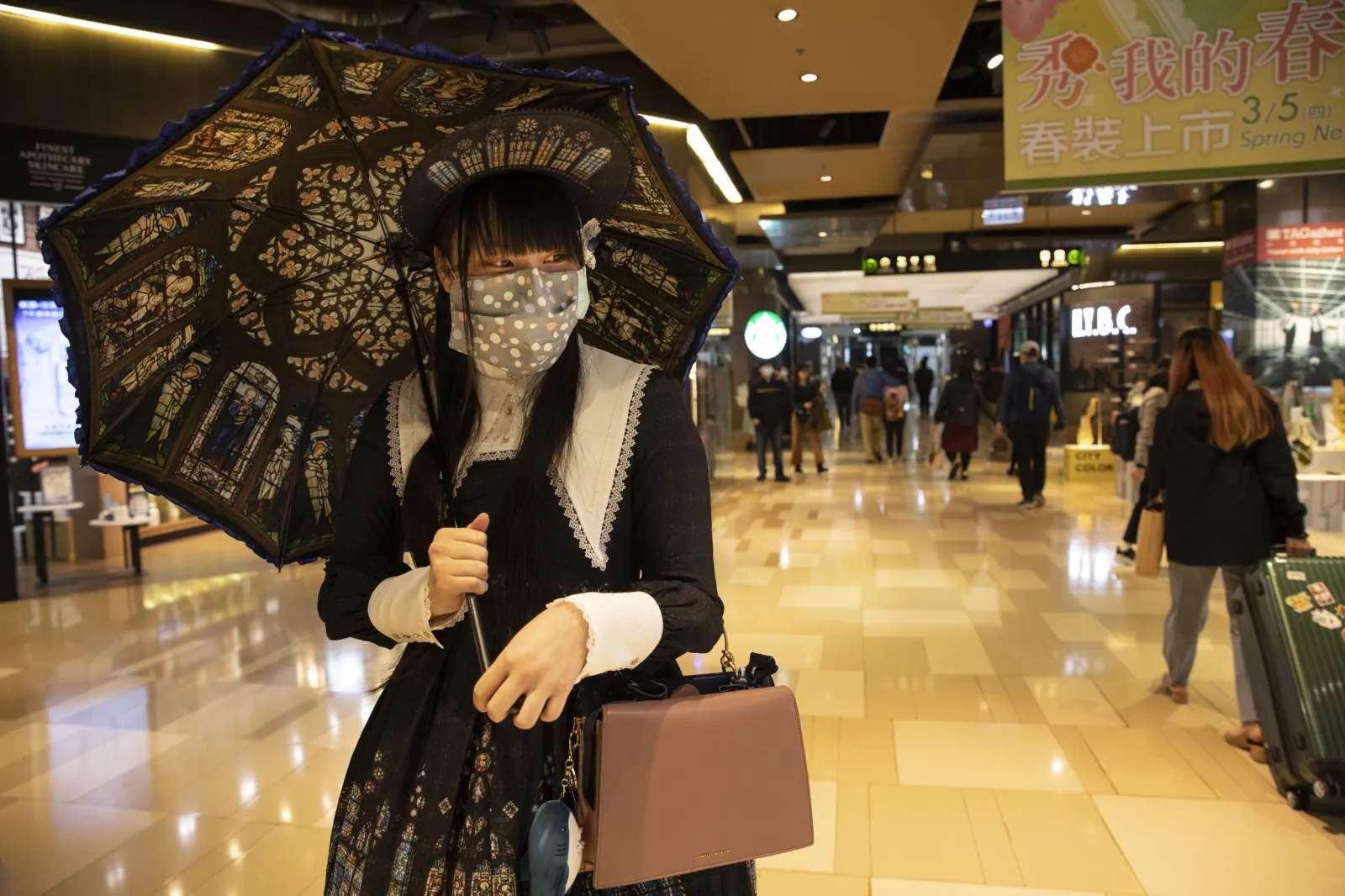
...
Taiwan has banned all foreigners from entering the island other than those with residence permits. Anyone arriving from overseas has to be quarantined for 14 days while police keep tabs on those who are self-isolating via GPS on cell phones and messaging systems.
From Tuesday, until April 7, Taiwan will also not allow the transit of airline passengers with its Centre for Disease Control saying the restrictions aim to "decrease the cross-border movement of people and to reduce the risk of disease transmission", Business Traveller reported.
The government in Taiwan has been praised for its efforts to stem the coronavirus outbreak.
It drew on its experience from the SARS epidemic in 2003, after which it set up a Central Epidemic Command Center (CECC) to help coordinate government departments and mobilise necessary resources, Channel News Asia reported.
It has also used integrated immigration, health service and customs' databases and looked at travel and medical histories to keep an eye on who is at the greatest risk.
Border restrictions were put in place as early as February 6 and this was extended to nearly all foreigners from last week. With its good screening and tracing system, by Monday, the island had recorded only 195 cases, and two deaths, according to figures from Johns Hopkins University.
However the government said in a statement on Monday that there were now 26 new cases which included those who had travelled to the United States, Spain, the Netherlands, France, Switzerland and the U.K, Reuters reported.
World Health Organization advice for avoiding spread of coronavirus disease (COVID-19)
Hygiene advice
- Clean hands frequently with soap and water, or alcohol-based hand rub.
- Wash hands after coughing or sneezing; when caring for the sick; before; during and after food preparation; before eating; after using the toilet; when hands are visibly dirty; and after handling animals or waste.
- Maintain at least 1 meter (3 feet) distance from anyone who is coughing or sneezing.Avoid touching your hands, nose and mouth. Do not spit in public.
- Cover your mouth and nose with a tissue or bent elbow when coughing or sneezing. Discard the tissue immediately and clean your hands.
Medical advice
- If you feel unwell (fever, cough, difficulty breathing) seek medical care early and call local health authorities in advance.
- Stay up to date on COVID-19 developments issued by health authorities and follow their guidance.
Mask usage
- Healthy individuals only need to wear a mask if taking care of a sick person.
- Wear a mask if you are coughing or sneezing. Masks are effective when used in combination with frequent hand cleaning.
- Do not touch the mask while wearing it. Clean hands if you touch the mask.
Learn how to properly put on, remove and dispose of masks. Clean hands after disposing of the mask. - Do not reuse single-use masks.
Correction: This article previously referred to Taiwan as a Chinese territory. Newsweek regrets this error.
View 0 Comments
Submit Correction
View Editorial & AI Guidelines