...

By Mandy Taheri
Reporter
0
Share
Newsweek is a Trust Project member
See more of our trusted coverage when you search.Prefer Newsweek on Googleto see more of our trusted coverage when you search.
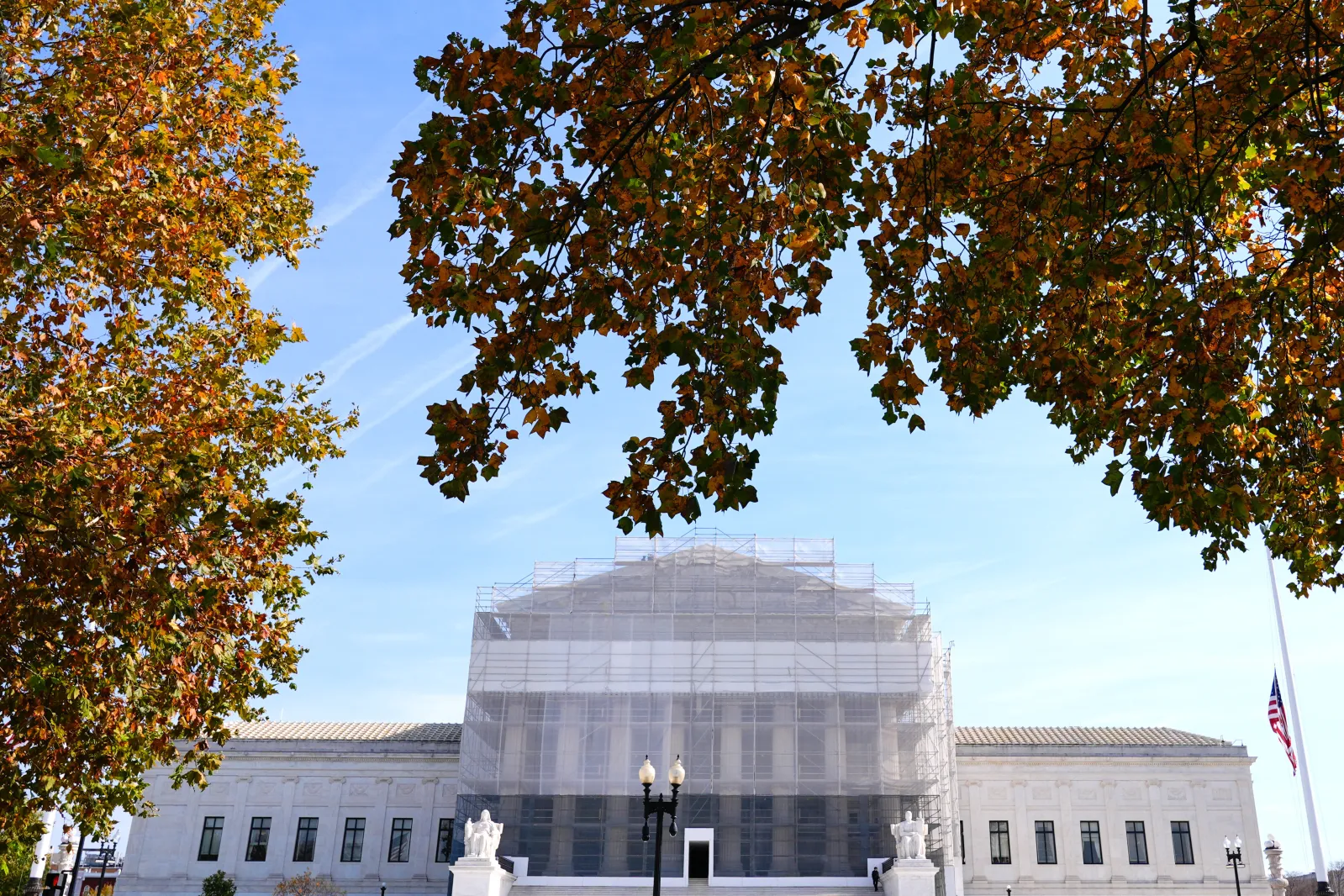
The U.S. Supreme Court is meeting in private on Friday to consider taking on President Donald Trump’s order ending birthright citizenship for children born in the United States to noncitizen parents, according to the Associated Press.
Why It Matters
Moments after taking office for his second term, Trump signed an executive order titled "PROTECTING THE MEANING AND VALUE OF AMERICAN CITIZENSHIP.” Trump's executive action seeks to prevent children born on U.S. soil from automatically receiving citizenship if neither parent was an American citizen or lawful permanent resident at the time of birth.
Read More on News
The concept of birthright citizenship has long been established in the U.S., with the 14th Amendment of the U.S. Constitution guaranteeing citizenship to "all persons born or naturalized in the United States."
Trump pledged to launch the largest mass deportation operation in U.S. history. His administration reported in September that “2 million illegal aliens have been removed or self-deported in just 250 days.”
...
What To Know
The executive order has faced several legal challenges and has not taken effect. Several lower courts have struck it down, with the administration currently appealing two cases. The Supreme Court considers what cases it will take during closed meetings. The Federal Judicial Center, a research and education agency of the U.S. judiciary, says that at least four of the Court's justices must vote to grant a writ of certiorari for the case to be taken.
The Court has a 6-3 conservative majority and has ruled in favor of the Trump administration on many key issues, including immigration enforcement and cuts at federal government agencies. However, earlier this year, the Court blocked the administration’s use of the Alien Enemies Act, blocking the deportation of alleged Venezuelan gang members without proper process.
In June, the Court ruled in a related case that focused on the legality of nationwide injunctions, rather than the substance of the birthright executive order itself.
Summer polling on birthright citizenship found that a majority of Americans support it. An Emerson College Polling survey of 1,000 registered U.S. voters conducted June 24-25 found 68 percent in favor of birthright citizenship. Meanwhile, 32 percent of voters believe it should be ended for people who are not born to U.S. citizen parents.
A Reuters/Ipsos poll of 1,136 Americans conducted June 11-12 found a smaller percentage of people support ending birthright citizenship, 24 percent, while 52 percent opposed ending it.
What People Are Saying
President Donald Trump, on Truth Social earlier this year regarding nationwide injunctions: "GIANT WIN in the United States Supreme Court! Even the Birthright Citizenship Hoax has been, indirectly, hit hard. It had to do with the babies of slaves (same year!), not the SCAMMING of our Immigration process. Congratulations to Attorney General Pam Bondi, Solicitor General John Sauer, and the entire DOJ."
Supreme Court Justice Samuel Alito, in a concurring opinion in June: "First, the Court does not address the weighty issue whether the state plaintiffs have third-party standing to assert the Citizenship Clause claims of their individual residents."
Cody Wofsy of the ACLU's Immigrants' Rights Project, said in July after a federal judge blocked Trump's executive order and issued a preliminary injunction and certified a nationwide class of affected children: "This ruling is a huge victory and will help protect the citizenship of all children born in the United States, as the Constitution intended."
What Happens Next
The justices could decide as soon as Monday whether to hear the appeal, according to The Associated Press. If they take the case, arguments would likely be held in the spring, with a ruling expected by summer.
View 0 Comments
Submit Correction
View Editorial & AI Guidelines