
...

By Gabe Whisnant
News Editor
0
Share
Newsweek is a Trust Project member
See more of our trusted coverage when you search.Prefer Newsweek on Googleto see more of our trusted coverage when you search.
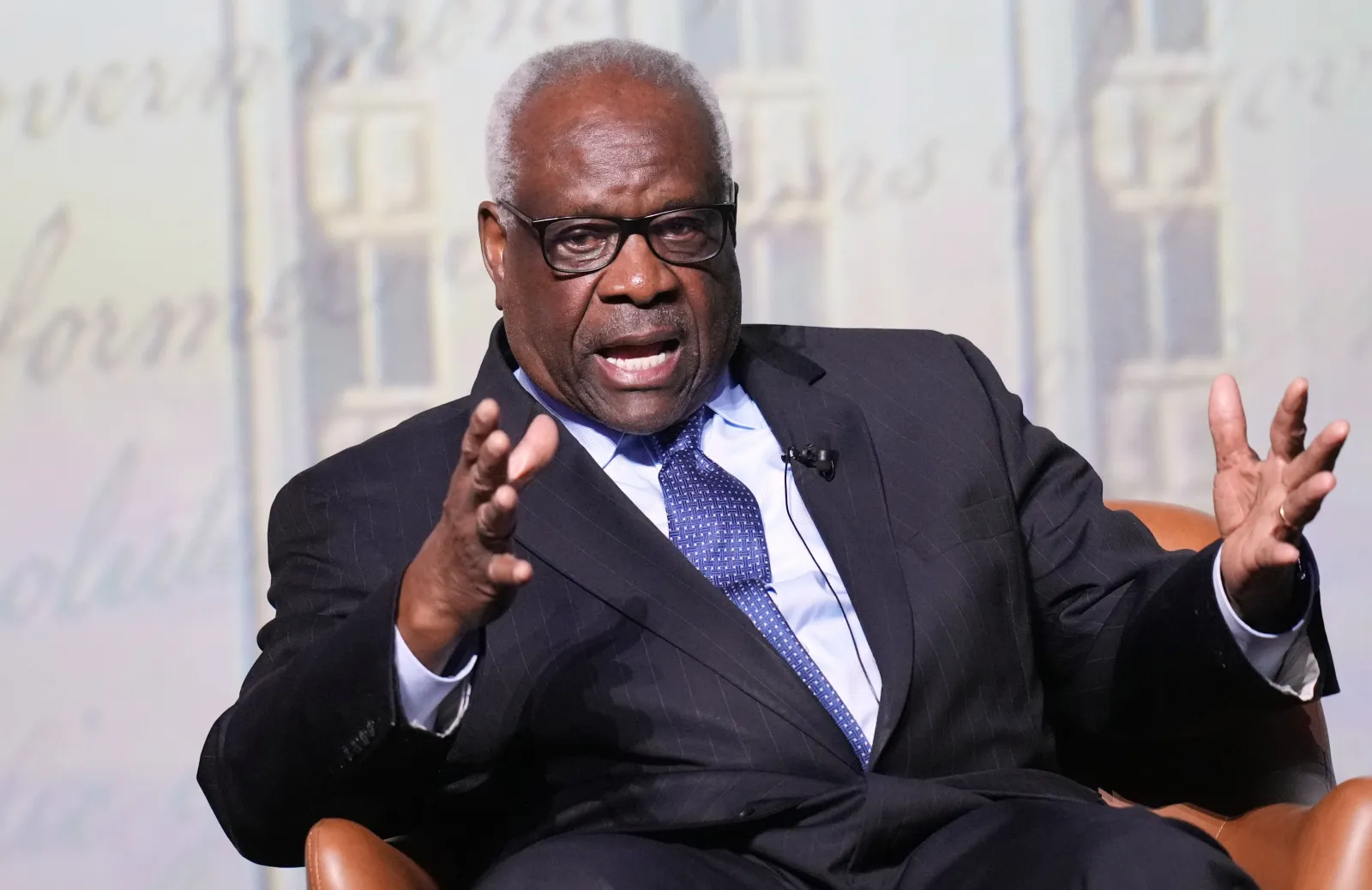
The Supreme Court on Thursday issued an 8–1 ruling authored by Justice Clarence Thomas clarifying when companies can be held liable for using property confiscated by Cuba after the 1959 revolution.
The decision carries heightened significance as tensions between Washington and Havana escalate, including the recent U.S. indictment of former Cuban leader Raúl Castro. The ruling is expected to shape ongoing and future lawsuits under the Helms-Burton Act, particularly those targeting companies accused of benefiting from seized Cuban assets.
Supreme Court Clarifies Scope of Cuba Property Lawsuits
The case, Havana Docks Corp. v. Royal Caribbean Cruises, centers on claims that major cruise lines unlawfully used a Havana port facility without compensating its original American owner. Havana Docks, a U.S.-based company, held a concession to operate docks at the Port of Havana before the Cuban government seized the property after Fidel Castro came to power.
Read More on U.S.
Writing for the majority, Thomas said the lower court erred in narrowing the scope of liability to the lifespan of the original property interest, instead emphasizing that the Helms-Burton Act focuses on the act of trafficking in confiscated property itself. The ruling effectively revives litigation against several cruise companies—including Royal Caribbean, Carnival, Norwegian and MSC—that had used the port in recent years, sending the case back to lower courts for further proceedings.
...
The decision hinges on how courts interpret Title III of the Helms-Burton Act, a 1996 law that allows U.S. nationals to seek damages from entities that “traffic” in property confiscated by the Cuban government after the revolution. That provision was largely dormant for more than two decades, as successive U.S. presidents waived the right to bring such lawsuits, citing national interest concerns.
Philip Brenner, an emeritus professor of international relations at American University, told Newsweek that the case has been building for years after the Trump administration chose not to continue waivers under Title III. Brenner said the most immediate impact of the Court’s decision is likely to fall on the cruise industry, particularly if U.S. restrictions on travel to Cuba are lifted.
“The real effect will be on cruise ships going forward if a future administration allows them back,” he said, noting that a majority of American travelers to Cuba before restrictions tightened were arriving by cruise.
At the same time, Brenner argued that broader U.S. policy moves carry more weight for Cuba’s economy than individual lawsuits.
“What matters far more is the designation of Cuba as a state sponsor of terrorism,” he said. “When that was lifted, it allowed the Cuban private sector to begin to flourish—that has a much bigger effect than litigation like this.”
Kagan Dissent Highlights Split Over Property Limits
In a lone dissent, Justice Elena Kagan argued the majority stretched the law beyond its intended limits by ignoring the time-bound nature of the original ownership interest. She wrote that “what Havana Docks owned was only a property interest allowing it to use those docks for a specified time,” noting that the concession had expired long before the cruise lines began operating in the port.
Kagan warned that the Court’s interpretation could allow plaintiffs to seek damages even when they no longer had a valid property interest under traditional legal principles. The dissent reflects a fundamental disagreement over whether Congress intended the statute to extend liability indefinitely or to track the duration of underlying property rights.
The 8–1 decision, however, suggests broad consensus among the justices that the statute’s text should be read expansively, reinforcing a textualist approach to interpreting laws with international implications. That framework could influence how courts handle similar disputes involving expropriated property and foreign conduct going forward.
Impact on Cruise Industry and Corporate Risk
Legal and policy experts say the ruling is likely to have its most immediate effect on the cruise industry, which has been at the center of Helms-Burton litigation. Cruise lines resumed travel to Cuba during the Obama administration, when restrictions were eased, before the Trump administration moved to tighten travel rules and revive lawsuits under Title III.
Because the companies used Cuban port facilities that had been confiscated decades earlier, they became prime targets for litigation once the waiver was lifted in 2019. The Court’s decision now clarifies that such lawsuits can move forward even if the original ownership rights might have expired under normal circumstances.
Lorri Krebs, the Professor and Chair for Geography & Sustainability Department at Salem State University, told Newsweek via email that "the ruling is indeed significant because it reinforces the legal reach of the Helms-Burton Act and signals that companies operating in Cuba cannot assume they are insulated from liability simply because their activities were previously permitted or politically encouraged by the U.S. government."
Krebs continued, "In practical terms for cruise lines, this means greater legal and financial exposure when using Cuban ports, hotels, terminals, or infrastructure linked to unresolved expropriation claims."
The ruling could also extend beyond cruise companies, potentially affecting hotels, energy firms and other multinational businesses with ties to Cuban infrastructure or property. By defining how broadly courts should interpret “trafficking” under the statute, the decision may expose a wider range of companies to legal risk if they are found to have benefited from seized assets.
Krebs added, "The ruling may also increase due diligence requirements, insurance costs, and corporate caution surrounding any Cuba-related operations. I think that even though the cruise companies had argued they were operating during a period of relaxed Obama-era travel policy, the Court seems to be drawing a distinction between diplomatic policy shifts and private property liability under U.S. law."
Ruling Comes Amid Rising U.S.-Cuba Tensions
The decision arrives at a time of renewed strain between the United States and Cuba, underscored by the Justice Department’s move this week to indict Raúl Castro over his alleged role in the 1996 shootdown of two civilian aircraft. The charges mark a significant escalation in Washington’s pressure campaign against Havana and add a new layer of tension to long-standing disputes.
While the Supreme Court case predates that development, the overlap highlights how legal, economic and geopolitical pressure tools are increasingly intersecting in U.S. policy toward Cuba. Sanctions, litigation and criminal charges have all played a role in shaping the relationship, particularly as successive administrations have taken differing approaches to engagement with the island.

...
Why the Helms-Burton Act Matters Now
At the center of the dispute is the Helms-Burton Act itself, formally known as the Cuban Liberty and Democratic Solidarity Act of 1996. The law strengthened the U.S. embargo against Cuba and expanded its reach by allowing lawsuits against foreign companies that profit from property confiscated after the revolution.
Title III, the most contentious provision, created a private right of action for U.S. nationals with claims to seized property—though it was repeatedly suspended until 2019. Since then, courts have only begun to grapple with how broadly those claims can apply, making Thursday’s decision a key milestone.
By clarifying that liability can extend beyond the original lifespan of a property interest in certain cases, the Court has provided guidance that is likely to influence ongoing disputes and future claims alike. As litigation continues to move forward, the ruling could reshape the legal landscape for companies operating in or connected to Cuba—and further entrench the role of U.S. courts in decades-old conflicts over expropriated property.
View 0 Comments
Submit Correction
View Editorial & AI Guidelines