...

By Jasmine Laws
Reporter
0
Share
Newsweek is a Trust Project member
See more of our trusted coverage when you search.Prefer Newsweek on Googleto see more of our trusted coverage when you search.
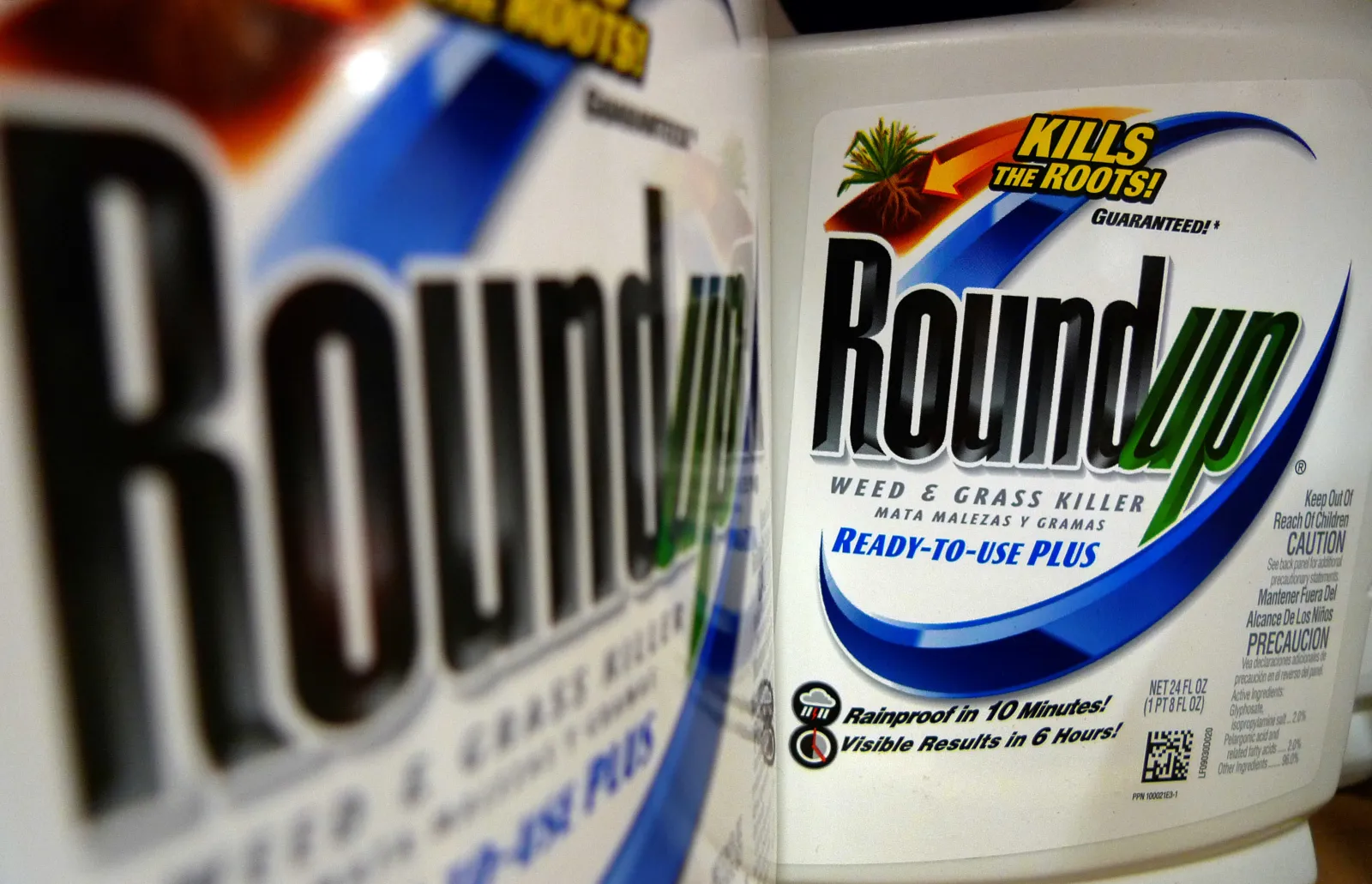
The Supreme Court is expected to give its ruling in the Roundup weedkiller case in the coming days, a case involving tens of thousands of lawsuits against the manufacturer Bayer, with accusations that exposure to the chemical left claimants with cancer.
After hearing arguments in the case in April, the court must issue its opinion by the end of June, meaning its decision could come sometime this week and potentially deepen the MAHA-MAGA rift over the use of glyphosate, the key chemical in Roundup.
The case was picked up by the court earlier this year after Monsanto, the original producer of the glyphosate-infused herbicide, sought to overturn the results of a lawsuit that forced it to pay over $1 million to a claimant who alleged he developed non-Hodgkin lymphoma due to his exposure to Roundup.
Read More on U.S.
Before the end of June, the court will decide whether to grant pesticide makers immunity from failure-to-warn claims—lawsuits alleging that exposure to the chemical resulted in adverse impacts on health, if it is not required for them to label products with health impacts under U.S. Environmental Protection Agency (EPA) rules.
Health Secretary Robert F. Kennedy Jr.'s "Make America Healthy Again" campaign stands firmly against the use of pesticides in general, and Kennedy himself has warned of the wide-ranging harms of glyphosate.
Meanwhile, the Trump administration has issued an order that will increase glyphosate use and supply as part of an "America-first," "Make America Great Again" policy, leaving the health secretary caught between President Donald Trump and many of his own supporters who have long called for a ban on the weedkiller.
Newsweek reached out to the Department of Health and Human Services (HHS) via email for comment.
...
What Is Glyphosate?
Glyphosate, the key ingredient in Roundup, is the most widely used herbicide in the United States and the world, according to the U.S. Geological Survey (USGS). The chemical has also been detected in 66 of 70 U.S. streams and rivers, according to the USGS.
Since glyphosate‑based products entered the market, Bayer, which acquired the original producer, Monsanto, in 2018, has faced thousands of lawsuits alleging the company failed to adequately warn consumers that its weedkiller could pose cancer risks. Earlier this year, the agrochemical giant proposed a $7.25-billion settlement aimed at resolving those claims.
Settlement documents show that roughly 200,000 Roundup-related claims have been brought against Bayer, including more than 125,000 filed since 2015.
While the EPA has determined that there are "no risks of concern to human health when glyphosate is used in accordance with its current label" and that it is "unlikely to be a human carcinogen," the International Agency for Research on Cancer (IARC) disagrees.
The IARC previously concluded that glyphosate is “probably carcinogenic to humans,” citing “strong” evidence of genotoxicity for both the active ingredient itself and commercial glyphosate formulations. This evaluation was based on approximately 1,000 studies and was conducted by independent experts who were not influenced by commercial interests.
Genotoxicity is a property of certain substances that can damage the genetic material in a cell, potentially leading to mutations and diseases such as cancer.
Other research and scientific reviews have linked glyphosate exposure to an elevated risk of non‑Hodgkin lymphoma, a cancer affecting the lymphatic system. A 2020 study found that people exposed to glyphosate‑based herbicides experienced a 41 percent increase in risk of developing the disease.
The Debate Around the Weedkiller
Given the research and warnings about the chemical, many, including groups aligned with MAHA, oppose the use of the herbicide. A group of women who call themselves "MAHA Moms" has been outraged by the Trump administration's support of the chemical.
The president signed an executive order earlier this year calling for an increase in the supply of glyphosate-based herbicides, which he said play a "critical role" in America’s agricultural landscape, adding that a lack of access to the chemicals would "critically jeopardize agricultural productivity" and the country's food system.
Many farmers rely heavily on glyphosate‑based herbicides because they are a low‑cost, highly effective way to control weeds across major crops like corn and soybeans, helping reduce labor, fuel use, and tillage costs at a time when operating expenses remain historically high.
Farmers are currently under acute financial pressure due to a combination of falling crop prices, high fertilizer and fuel costs, elevated interest rates, and rising debt levels, which have squeezed profit margins.
Kennedy himself has also supported Trump's order. The HHS previously told Newsweek, echoing a statement from Kennedy, that "Donald Trump’s Executive Order puts America first where it matters most—our defense readiness and our food supply. We must safeguard America’s national security first, because all of our priorities depend on it."
However, he has also said the order was "not something I was particularly happy with—to put it mildly."
Kennedy has previously been vocal about his views on the chemical. In 2024, he wrote on X that glyphosate is "one of the likely culprits in America’s chronic disease epidemic," and previously said in an interview with Joe Rogan that the chemical's use "is something every American should be concerned about."
Will It Tear MAHA Apart?
The MAHA campaign stands firmly on improving public health to reduce chronic disease by implementing new guidelines and overhauling policies regarding the American diet, environment and medicine. Kennedy has also been a major proponent of the view that environmental chemicals contribute to chronic health problems in children.
The debate around glyphosate, therefore, puts him in a rather awkward position. He is now having to balance the direction of his own campaign, which is largely against the use of pesticides and many of his supporters who stand strongly against glyphosate, while supporting Trump's "America-first" initiatives, which, in this case, encourage the use of glyphosate.
The Farm Bill, a sweeping package aimed at supporting farmers, invoked similar tension between MAHA and MAGA earlier this year. The legislation was passed in the House in May, but there was considerable, heated debate over several of its measures beforehand, including pesticide regulation.
Therefore, the new ruling could deepen the divide between "America-first" and "health-first" initiatives, and as the day the court issues its decision approaches, tension remains high over how it will impact MAHA overall.
View 0 Comments
Submit Correction
View Editorial & AI Guidelines