...

By Mandy Taheri
Reporter
0
Share
Newsweek is a Trust Project member
See more of our trusted coverage when you search.Prefer Newsweek on Googleto see more of our trusted coverage when you search.
The Supreme Court declined to hear a petition from January 6 defendant Glenn Brooks, who sought to continue appealing his conviction despite receiving a presidential pardon.
Brooks' attorney, Alexander Roots, told Newsweek in an email Tuesday evening, "We felt this case presented an important issue, and it’s unfortunate the Supreme Court declined to take it up. The end result is that Mr. Brooks will never have the opportunity to fully vindicate himself in a court of law."
Why It Matters
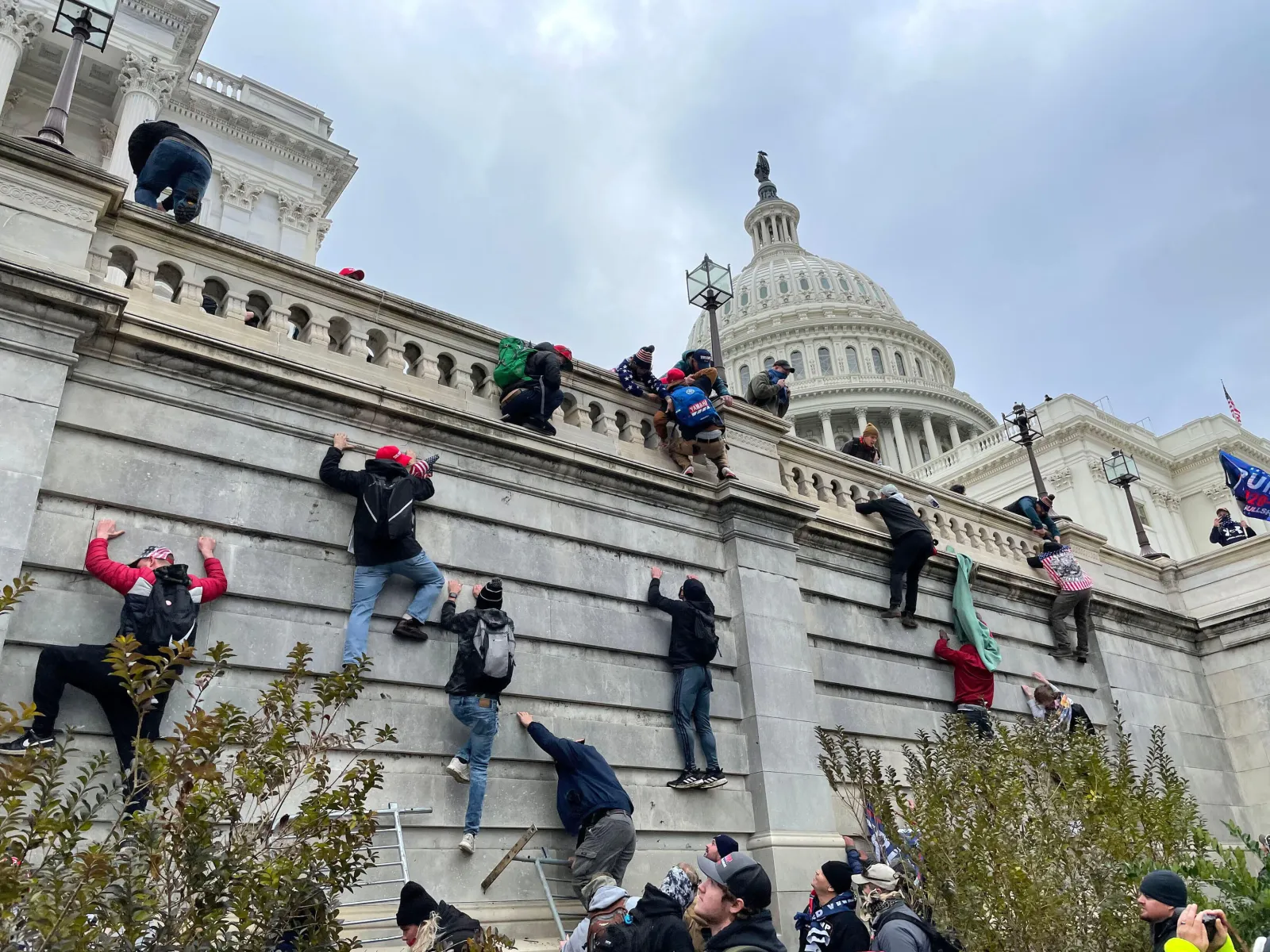
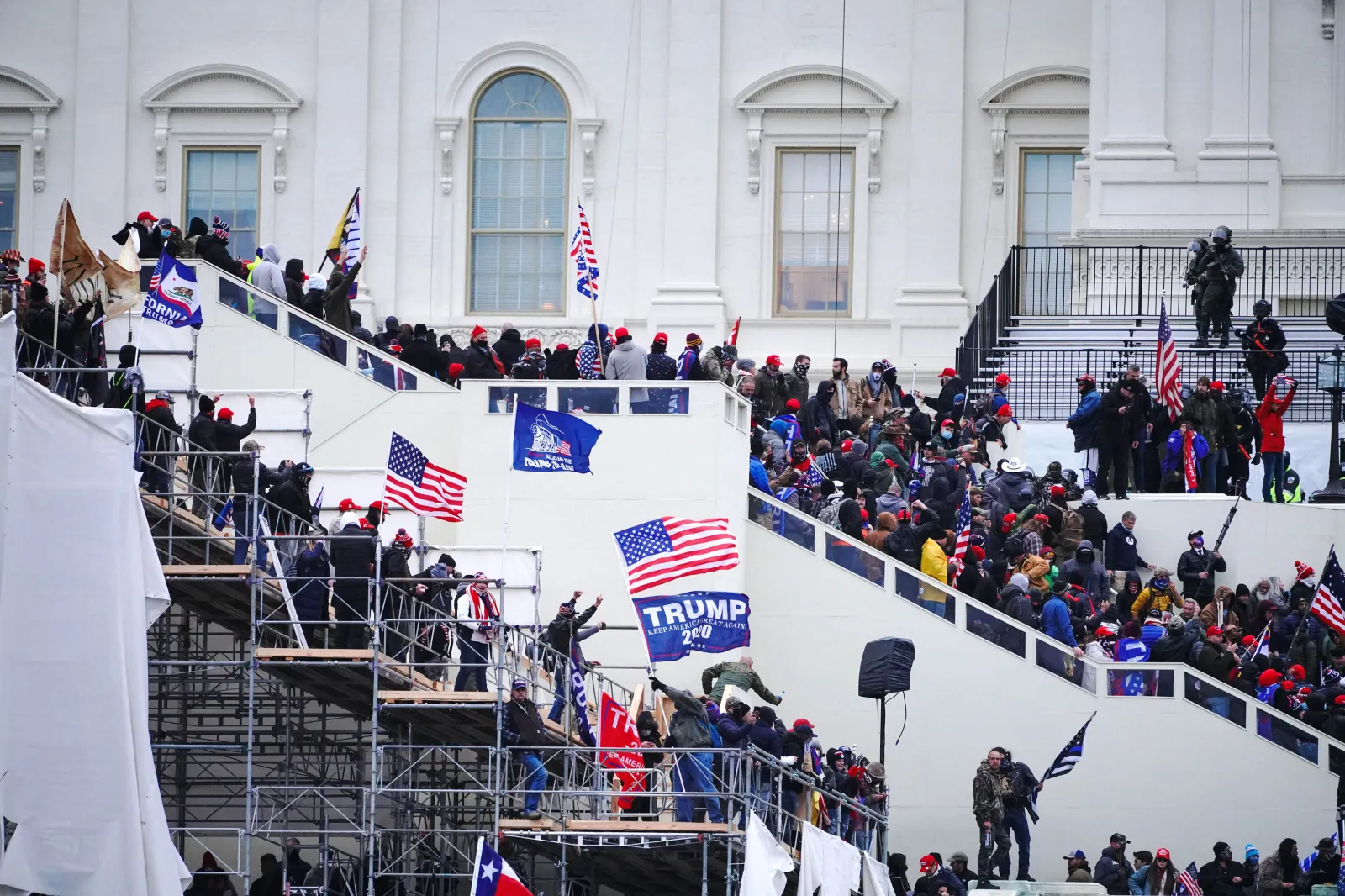
Lower courts had dismissed his appeal on his conviction related to January 6 riots after Trump, early in his second term, issued pardons for nearly 1,600 people charged in connection with the Capitol attack. On January 6, 2021, Capitol Police clashed with rioters who forced their way into the Capitol as Congress met to certify the 2020 presidential election results. Many in the mob were seeking to stop the certification of Joe Biden’s victory. Several people died in the attack and its aftermath.
Read More on News
Brooks’ case touches on whether a defendant can refuse a presidential pardon in order to continue seeking exoneration through the courts. A presidential pardon forgives a federal offense, but it does not erase or vacate the conviction.
The Supreme Court currently has a 6-3 conservative majority and has ruled in favor of President Donald Trump’s administration on several key issues, including immigration enforcement, but recently broke with the president over his tariff policy.
What To Know
Brooks was convicted on four misdemeanor counts related to his actions on January 6. He was sentenced to six months in prison and ordered to pay $500 in restitution and a $2,000 fine, according to court documents. He filed an appeal, and while that was pending, Trump pardoned him, although with over a thousand other January 6 defendants.
Brooks’ lawyers wrote in a court filing, “Mr. Brooks had made clear—both in writing and orally—that he refused to accept a pardon because he sought to vindicate his innocence on appeal. Despite this, he was released from custody against his wishes pursuant to the pardon.”
...
His lawyers also told the Supreme Court, "A forced pardon operates as a compelled confession, branding the individual with guilt and stripping him of his chosen appellate forum."
Brooks had filed a petition for certiorari, which is a request asking the Supreme Court to review a lower court’s ruling. The Court denied the certiorari on Monday, which means the court declines to hear the case.
Brooks was initially arrested in 2021 following a tip from a member of his church prayer text group, according to records from the U.S. Department of Justice. According to the criminal complaint, Brooks of Huntington Beach, California, allegedly "boasted of his active participation" in the riots and "sent photos of his attendance at the Capitol to the church text group." This information was provided to the FBI by an unidentified witness, whom the complaint said was a member of the same church prayer text group as Brooks.
...
What Happens Next
The Supreme Court's refusal to hear the case leaves the decision from the lower court intact, which had already dismissed his appeal as moot after Trump issued the pardon.
View 0 Comments
Submit Correction
View Editorial & AI Guidelines