...

By Andrew Stanton
Reporter
0
Share
Newsweek is a Trust Project member
See more of our trusted coverage when you search.Prefer Newsweek on Googleto see more of our trusted coverage when you search.
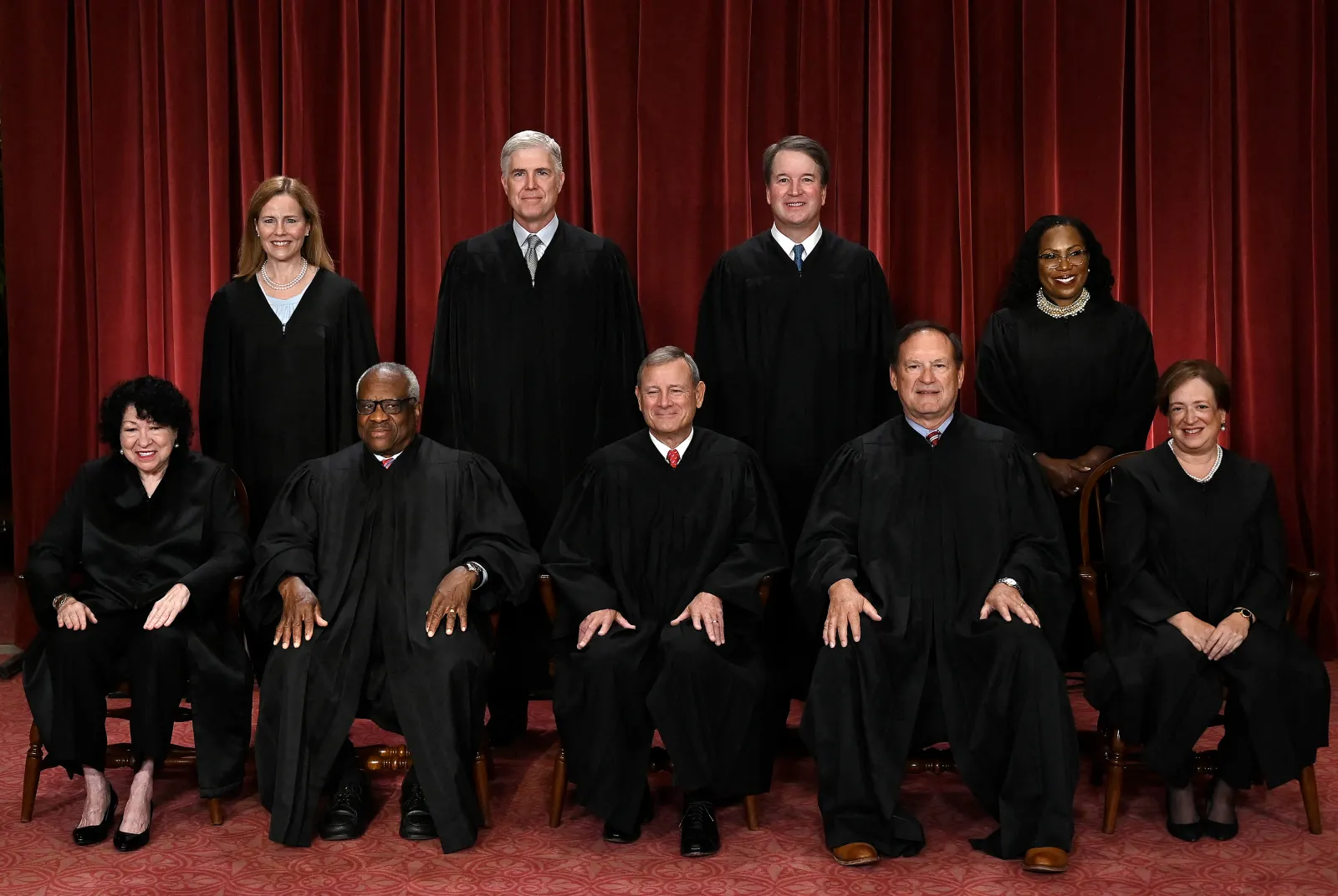
The Supreme Court agreed to hear the case of Terry Pitchford, a Black death row inmate in Mississippi who alleged racial bias in the jury composition of his trial, without requiring him to pay associated costs with bringing the case—which it rarely grants to petitioners.
Newsweek reached out to a lawyer representing Pitchford for comment via email.
Why It Matters
Pitchford was given a death sentence for the 2004 murder of Reuben Britt, but he has argued the prosecutor in his case had a history of dismissing Black jurors in a racially discriminatory manner, the Associated Press (AP) reported. The justices granted “in forma pauperis” in the case, meaning he will not have to pay fees in the case—a move the court only grants in rare cases.
Read More on News
What To Know
Pitchford’s conviction had previously been overturned by a federal judge, but an appeals court later reversed that ruling, the AP reported. Now, the Supreme Court will take up his case and decide whether or not his conviction can stand.
The jury pool in his case had been whittled down to 36 white and five Black members, but prosecutors struck four Black jurors, so only one Black person was on the jury in his case, as per the the AP. Pitchford’s lawyers argued the prosecutor in this case has a history of striking Black jurors for discriminatory reasons.
...
The Supreme Court heard a similar case involving the same prosecutor in 2019, overturning the death sentence and conviction of Curtis Flowers.
The decision to grant in forma pauperis to Pitchford is rare. The court receives many applicants with the request, but only a small percentage are granted. This term, only about two of 27 requests have been granted. A 2009 study by David C. Thompson and Melanie F. Wachtell found that only 3.5 percent of in forma pauperis cases were granted during the 2005-2006 term.
Courts are “inundated” with these requests, which often do not have merit, former federal prosecutor Neama Rahmani told Newsweek on Monday.
“It is rare, so more than half of appeals for the Supreme Court are IFP appeals and that’s because inmates have nothing to do, so they file these appeals. Some of them are handwritten. There are a lot of jailhouse lawyers,” he said.
The argument around discriminatory jury strikes may have bolstered the case, Rahmani added.
“Looking at it from a purely numbers perspective, you don’t even have to get into the legal analysis, right? You can say X number of potential Black jurors. All but one of them ended up getting struck by the prosecutor. I think it’s just an easier case to present,” he said.
What People Are Saying
Terry Pitchford’s lawyers Joseph Perkovich, Joseph Welling and J. Scott Gilbert wrote in a petition to the Supreme Court: “On February 6, 2006, Mr. Pitchford’s jury was seated in the Grenada Circuit Court, with District Attorney Evans, exclusively, exercising the prosecution’s four strikes presently at issue. Judge Loper sustained each of these strikes over the defense’s Batson objections, thereby supplying the basis for this certiorari petition.”
Mississippi Attorney General Lynn Fitch wrote in response: “Petitioner first asks this Court to decide whether the state courts violated clearly established federal law by not considering “evidence” and “circumstances” on his Batson claim that he failed to argue or present to the trial court. Pet. i; see Pet. 6, 15-32. That issue does not further warrant review. The court of appeals correctly ruled that no decision of this Court clearly establishes that a trial court or reviewing court must, in assessing a Batson claim, consider arguments or facts that a Batson challenger did not present to the trial judge and raised only on appeal.”
What Happens Next
Arguments in the case are expected in the spring of 2026, the AP reported.
View 0 Comments
Submit Correction
View Editorial & AI Guidelines